
Buyer kneeling beside a used sedan inspecting body panel gaps at an outdoor dealership lot on a sunny day
Car Inspection Checklist Guide

Content
Buying a car ranks among the biggest purchases most Americans make, yet many buyers spend more time researching smartphones than the vehicle they're about to drive for years. A thorough inspection separates smart buyers from those who inherit someone else's mechanical nightmares.
Why a Systematic Vehicle Inspection Saves You Thousands
The average repair bill for a used car purchased without proper inspection exceeds $1,200 within the first six months of ownership. Transmission replacements run $3,500–$5,000. Engine rebuilds? Add another $4,000–$7,000. These aren't rare horror stories—they're preventable disasters that happen when buyers skip crucial evaluation steps.
Most buyers make three critical errors: they inspect in poor lighting conditions, they focus only on cosmetic appeal, and they trust verbal assurances instead of physical evidence. A vehicle condition evaluation requires skepticism, patience, and a methodical approach that covers every major system.
The inspection process divides into five core areas: exterior condition, mechanical systems, interior safety features, test drive performance, and documentation verification. Each reveals different aspects of the car's history and current state.
Pre-Inspection Prep: What You Need and Where to Start
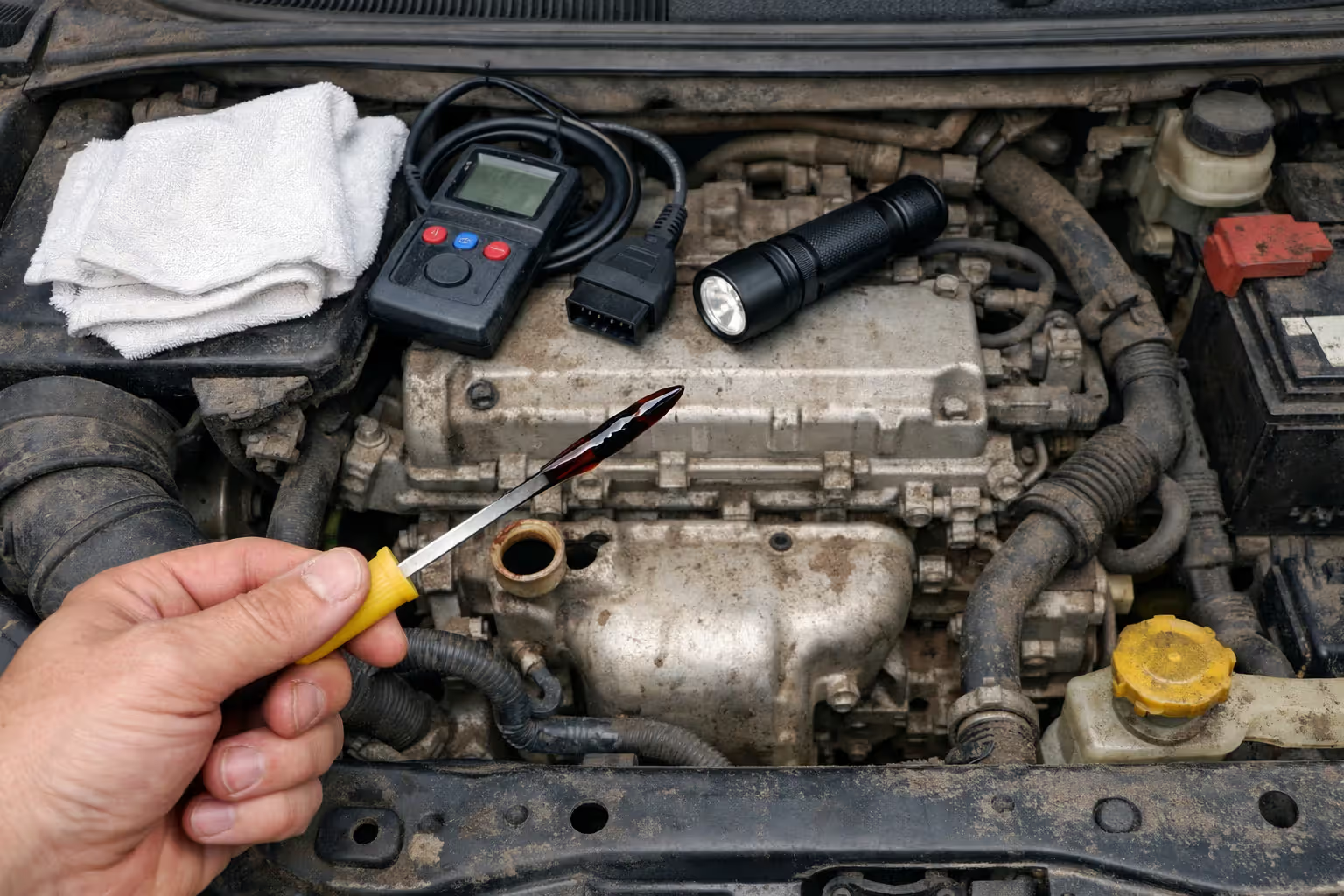
Effective used car inspection basics begin before you touch the vehicle. Gather these tools: a flashlight (preferably LED), clean white cloth or paper towels, tire tread depth gauge, OBD-II scanner (available for $25–$50), magnet, and your smartphone for photos.
Schedule the inspection during daylight hours—ideally mid-morning when the engine is cold. Insist on meeting at the seller's location or a neutral public space with good lighting, never in covered parking garages or at night. Dim lighting hides paint mismatches, body damage, and fluid leaks that would be obvious in sunlight.
Run a vehicle history report using the VIN before the in-person inspection. CarFax and AutoCheck cost around $40 but reveal accident history, title status, odometer rollbacks, and service records. If the seller refuses to provide the VIN beforehand, that's your first red flag.
Consider bringing a mechanic for the initial inspection if you lack automotive experience. Mobile pre-purchase inspection services charge $100–$200 and provide professional assessments. Even if you're mechanically inclined, a second opinion on a $15,000 purchase makes financial sense.
Arrive early and observe the car before the seller knows you're there. Does it start easily on a cold engine? Is there smoke from the exhaust during startup? These details disappear once the engine warms up.
The bitterness of poor quality remains long after the sweetness of low price is forgotten
— Benjamin Franklin
Exterior and Body Condition: Spotting Accident Damage and Rust
Walk around the vehicle slowly, standing back to view it from multiple angles. Panel alignment issues and paint mismatches become obvious from 10–15 feet away. Crouch down and sight along the body panels from front to back—waves, dips, or misaligned gaps indicate previous collision repair or poor-quality bodywork.
Paint, Panels, and Frame Alignment
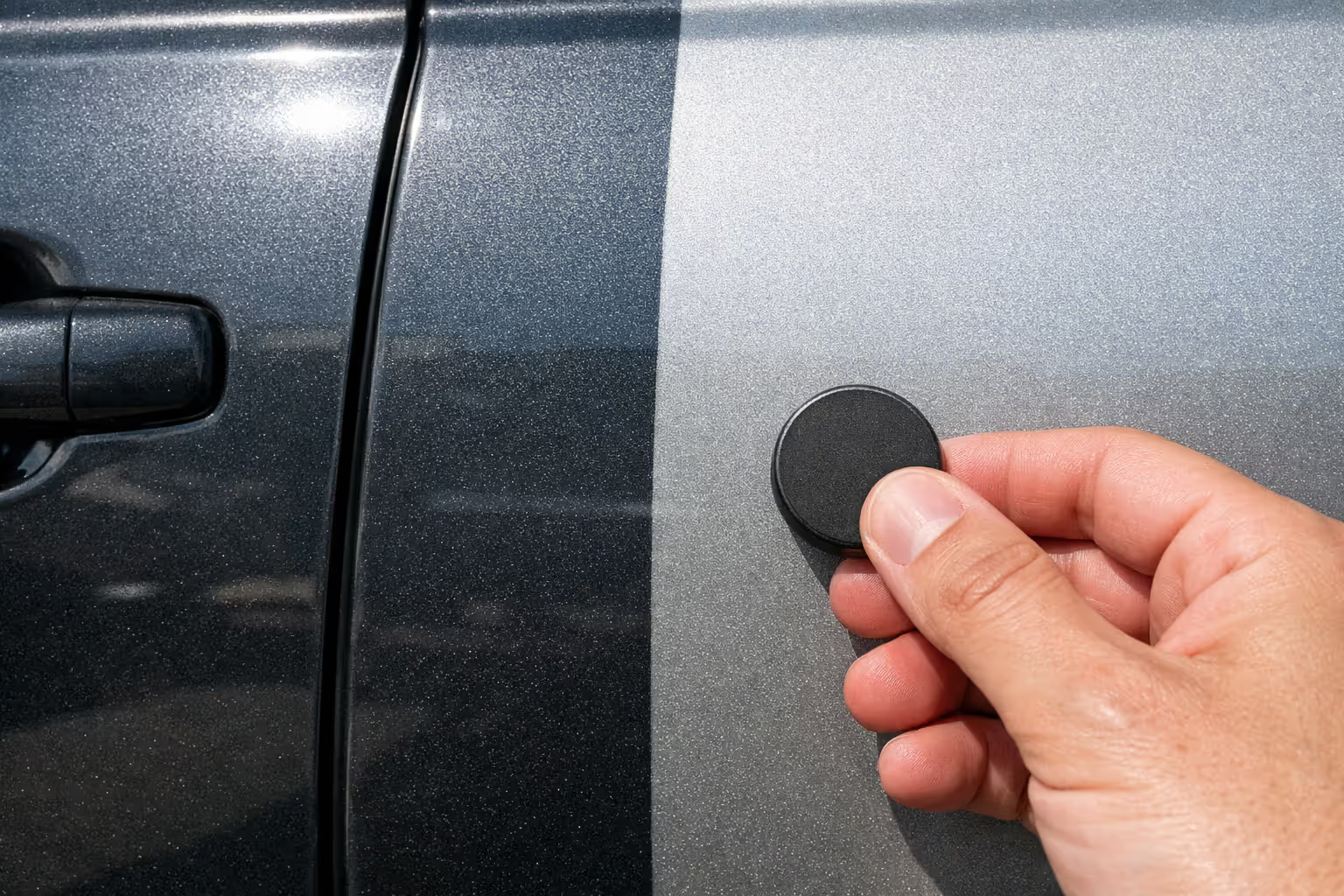
Run your hand (not just your eyes) along panel edges, door frames, and fender seams. Factory paint feels smooth and uniform. Repainted sections often have a slightly rough texture or overspray on rubber seals. Use your magnet on metal panels—if it doesn't stick, there's likely body filler underneath hiding damage.
Check paint color consistency in direct sunlight. Open the doors and trunk, comparing exterior panels to the door jambs and inner fenders. Different shades indicate repainting, which isn't automatically disqualifying but demands explanation. Was it a minor parking lot scrape or a major collision?
Examine the gaps between body panels—hood to fender, door to quarter panel, trunk to body. Factory gaps measure consistently, typically 3–5mm. Uneven gaps, especially if wider on one side, suggest frame damage or poor accident repair.
Look for overspray on weatherstripping, plastic trim, or under the hood. Professional body shops mask these areas carefully; finding paint where it shouldn't be indicates rushed or amateur work.
Author: Lena Prescott;
Source: shafer-motorsports.com
Tires, Wheels, and Suspension Wear Indicators
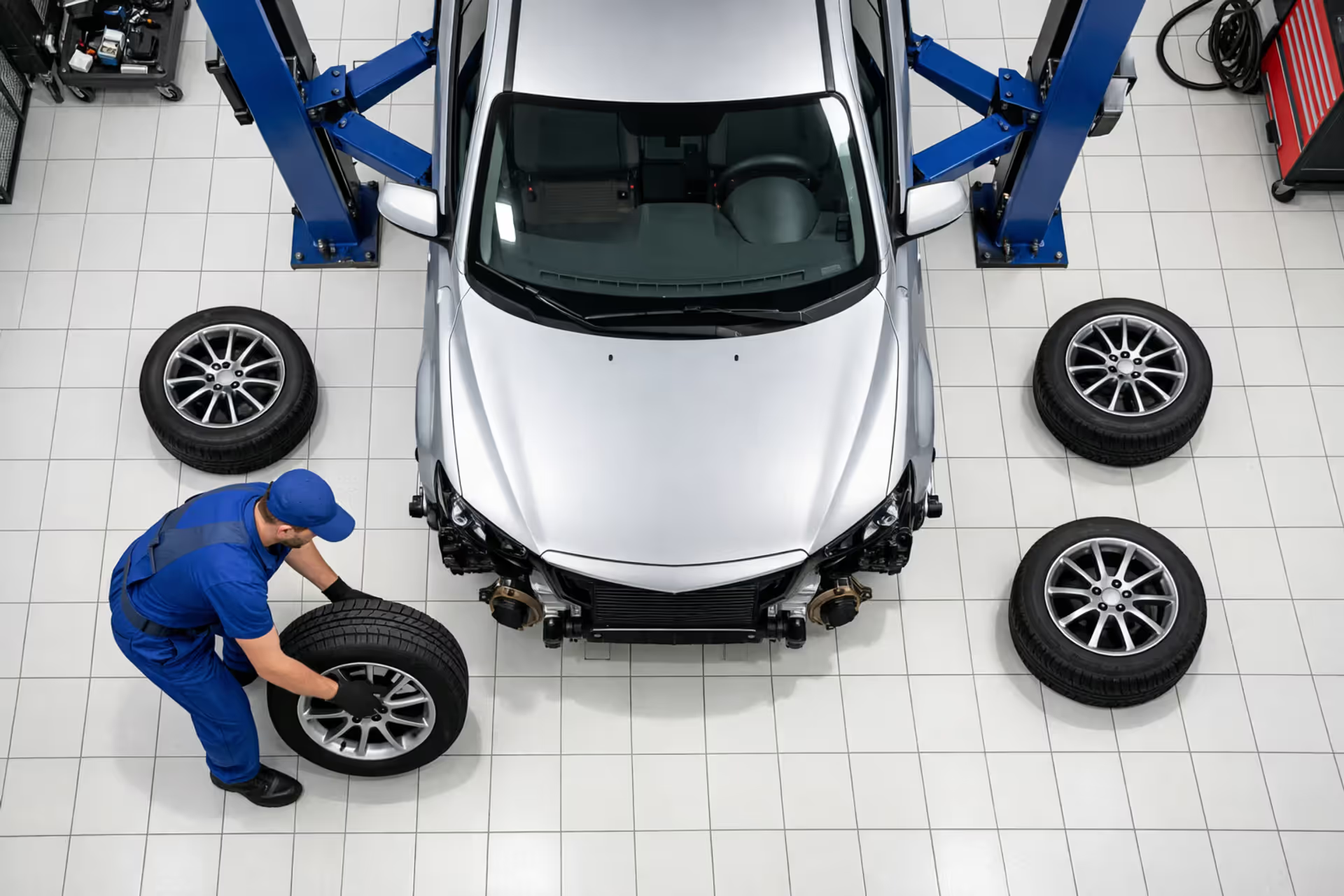
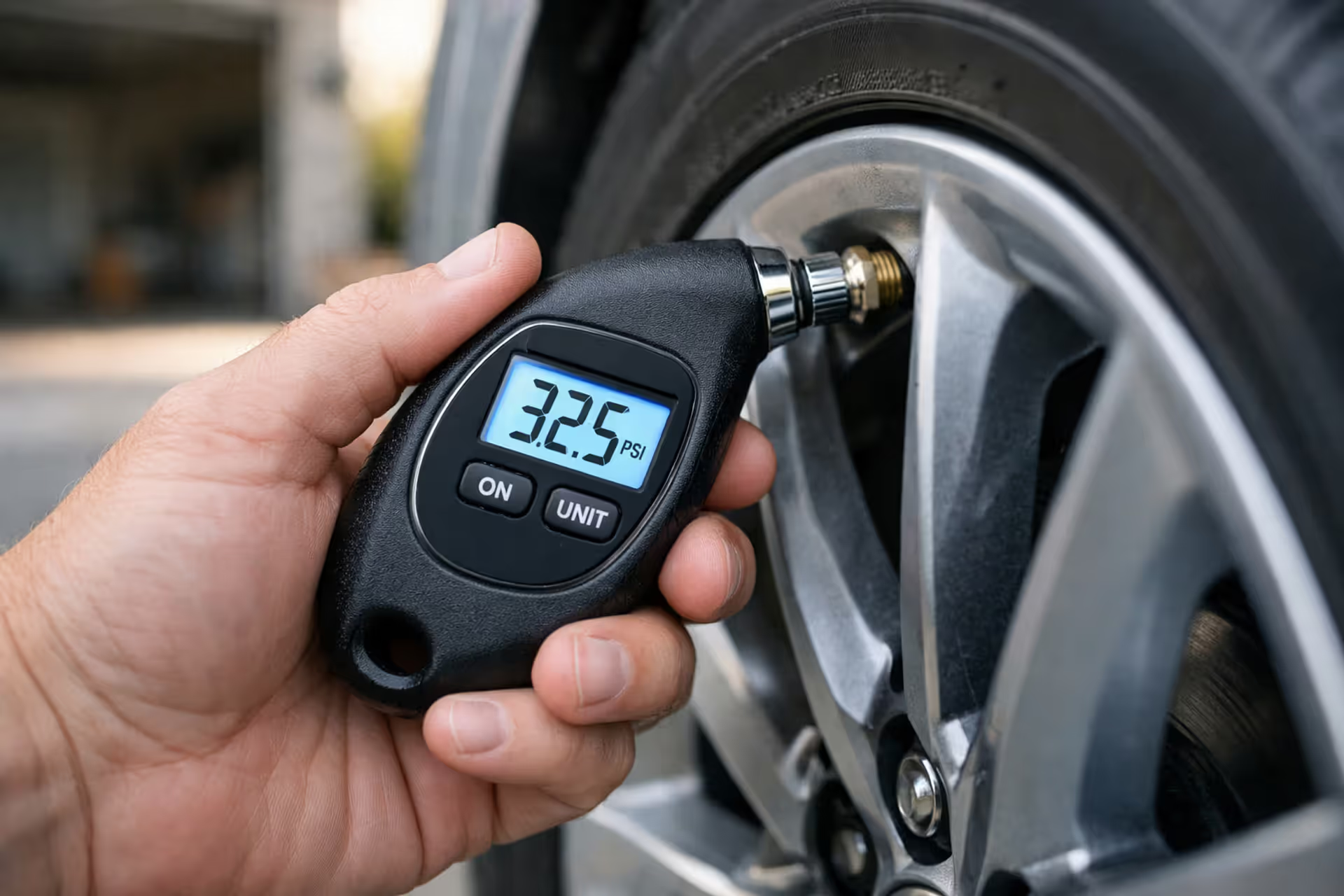
All four tires should match in brand and show even tread wear. Mismatched tires suggest the owner cut corners on maintenance. Use your tread depth gauge—anything below 4/32" needs replacement soon, below 2/32" is legally bald in most states.
Uneven tire wear tells specific stories: wear on outer edges indicates underinflation or aggressive cornering; center wear means overinflation; wear on one edge points to alignment issues or suspension damage. Cupping or scalloping suggests worn shocks or struts.
Inspect wheels for curb rash, bends, or cracks. Minor cosmetic scratches are normal, but bent wheels affect handling and tire wear. Spin each wheel by hand (with the car in neutral)—it should rotate freely without grinding, clicking, or wobbling.
Push down firmly on each corner of the vehicle and release. It should bounce once and settle. Multiple bounces indicate worn shocks or struts, a $400–$800 repair per axle.
| Issue Type | Minor (Negotiable) | Major (Walk Away) | Why It Matters |
| Paint condition | Small chips, light scratches, single-panel respray | Multiple panels resprayed, mismatched colors, heavy orange peel texture | Indicates accident severity and repair quality; poor repairs hide structural damage |
| Panel gaps | Slight variation (1–2mm difference) | Gaps wider than 8mm or dramatically uneven side-to-side | Uneven gaps signal frame damage that affects safety and handling |
| Rust | Surface rust on exhaust, minor bubbling on rocker panels | Rust holes, structural rust on frame rails, extensive floor pan corrosion | Structural rust compromises crash safety and is expensive or impossible to repair properly |
| Frame/structural | Minor scrapes on undercarriage protective panels | Bent frame rails, crumple zone damage, welded repairs, wrinkled firewall | Frame damage cannot be fully repaired and affects vehicle safety and resale value |
| Glass damage | Small chips (smaller than quarter-size) away from driver's view | Cracks longer than 6 inches, windshield damage in driver's line of sight, multiple impacts | Compromises structural integrity in rollovers; cracks spread and require replacement |
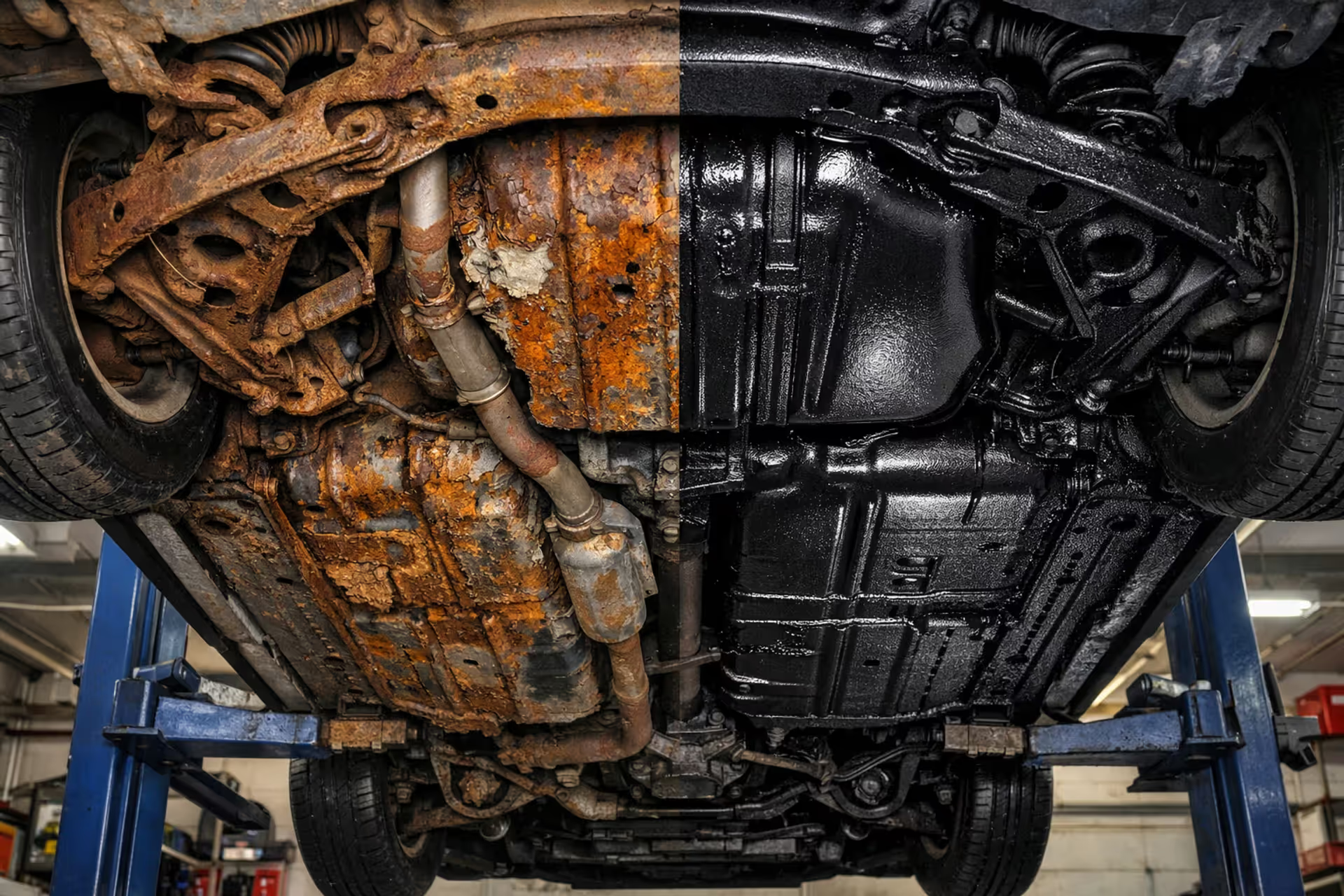
Check under the vehicle for rust on the frame, suspension components, and exhaust system. Surface rust on the exhaust is normal; rust holes or heavily corroded frame sections are deal-breakers. Northern vehicles exposed to road salt show more corrosion than southern cars.
Under the Hood: Essential Mechanical Inspection Steps
Pop the hood with the engine cold. A clean engine bay might seem positive, but a recently steam-cleaned engine hides leaks. Look for fresh oil stains, coolant residue, or overly pristine conditions that seem inconsistent with the vehicle's age.
Fluids, Belts, and Hoses
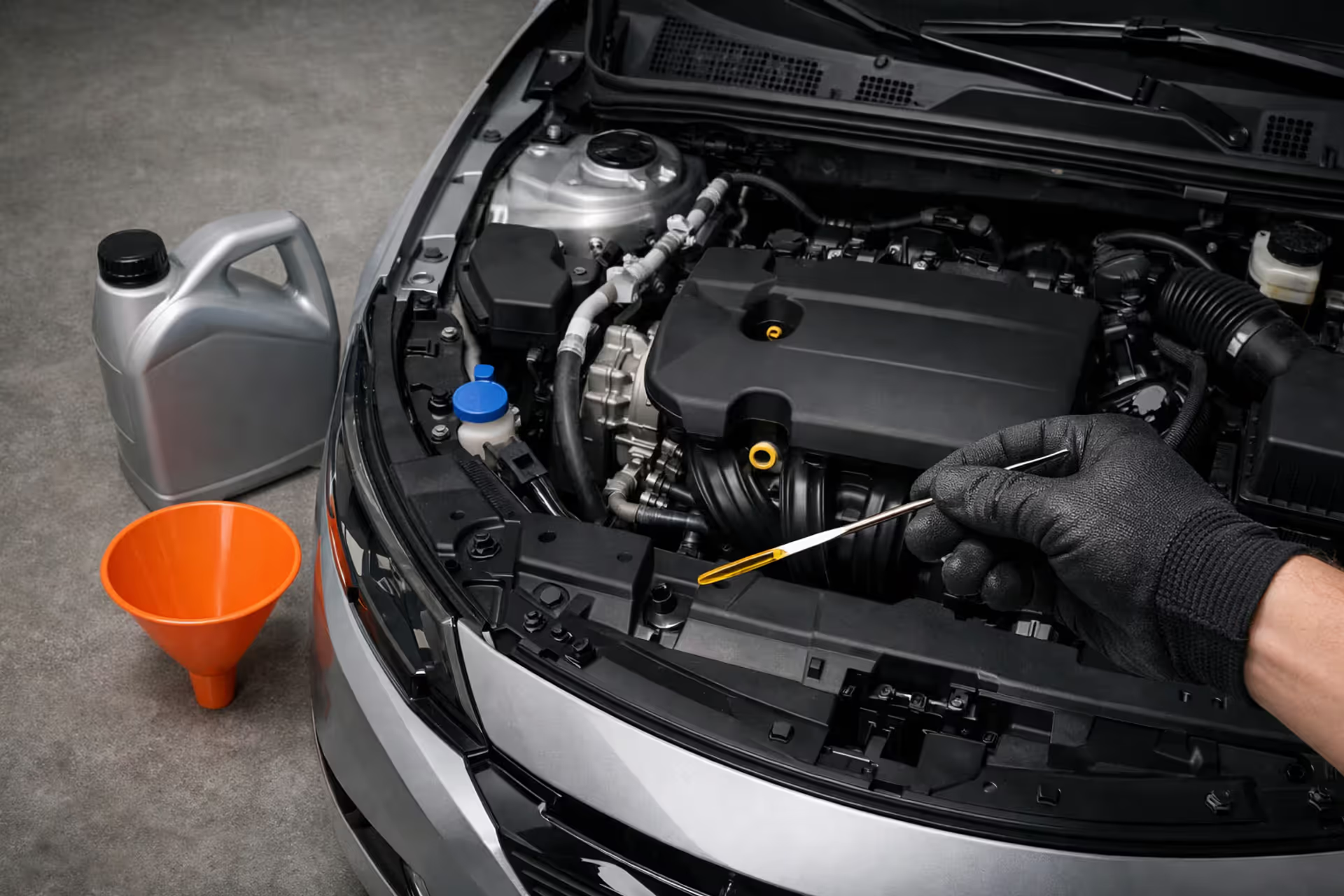
This mechanical inspection guide focuses on what non-professionals can assess. Start with the engine oil: pull the dipstick, wipe it clean, reinsert it, and check the level and condition. Oil should be amber to brown, not black or milky. Milky oil indicates coolant contamination—a sign of head gasket failure, a $1,500+ repair. Metal flakes in the oil suggest internal engine damage.
Check coolant in the overflow reservoir (never open the radiator cap on a hot engine). It should be bright green, orange, or pink depending on type—not rusty brown. Rust-colored coolant means corrosion inside the cooling system.
Inspect power steering fluid, brake fluid, and transmission fluid. Each has a reservoir or dipstick. Brake fluid should be clear to light amber, not dark brown. Dark brake fluid indicates neglected maintenance. Transmission fluid should be bright red or pink and smell slightly sweet, not burnt. Burnt-smelling, dark brown transmission fluid signals transmission problems.
Squeeze all rubber hoses—radiator hoses, heater hoses, vacuum lines. They should feel firm and pliable, not hard, cracked, or mushy. Check the serpentine belt for cracks, fraying, or glazing. A worn belt costs $25–$50 to replace but can leave you stranded.
Look for fluid leaks on the engine, transmission, and under the car. Small seepage around old gaskets is common on high-mileage vehicles, but active dripping indicates problems. Take photos of any leaks to discuss with a mechanic.
Engine Performance Warning Signs
Start the engine and listen carefully. It should fire immediately and idle smoothly without excessive noise, knocking, or rattling. A rough idle suggests misfiring cylinders, vacuum leaks, or sensor issues.
Watch the exhaust during cold start. Thin white vapor is normal condensation. Thick white smoke indicates coolant burning (head gasket issue). Blue smoke means oil burning (worn piston rings or valve seals). Black smoke suggests running too rich—a fuel system problem.
Check the battery terminals for corrosion. Heavy corrosion might indicate a failing battery or charging system. Ask when the battery was last replaced—most last 3–5 years.
Rev the engine gently while watching for smoke, unusual noises, or hesitation. The engine should respond smoothly without sputtering or backfiring.
Use your OBD-II scanner to check for stored trouble codes. Plug it into the port (usually under the driver's side dashboard) and read any codes. Even if the check engine light isn't on, stored codes reveal past problems. Research any codes you find—some are minor, others indicate serious issues.
Author: Lena Prescott;
Source: shafer-motorsports.com
Interior and Safety Systems You Can't Ignore
Slide into the driver's seat and check every control, switch, and indicator. These safety inspection steps often get overlooked but reveal maintenance habits and potential electrical problems.
Turn the key to the "on" position without starting the engine. Watch the dashboard—all warning lights should illuminate briefly, then extinguish when you start the engine. If the check engine, ABS, or airbag lights don't illuminate during this test, someone may have tampered with them to hide problems. If they stay on after starting, investigate why.
Test every power window, lock, mirror adjustment, and seat control. Electrical gremlins are expensive to diagnose and repair. Non-functioning windows might seem minor until you're stuck in a drive-through or need ventilation.
Inspect the seats for tears, stains, and wear patterns. Excessive wear on the driver's seat bolster or pedals suggests higher mileage than the odometer shows. Check under floor mats and in the trunk for water stains, mud lines, or musty odors—signs of flood damage that can cause endless electrical problems.
Smell the interior carefully. Cigarette smoke permeates fabric and reduces resale value. Musty odors indicate water leaks or flood damage. Air fresheners or deodorizers might mask these smells, so check behind them.
Verify the odometer reading against the vehicle history report, service stickers, and wear patterns. Digital odometers can be rolled back. Compare the mileage to maintenance records if available.
Test the air conditioning and heating at maximum settings. AC should blow cold within a minute; weak cooling suggests refrigerant leaks or compressor problems ($500–$1,500 to repair). Heat should warm up as the engine reaches operating temperature.
Check that all seatbelts retract smoothly and latch securely. Inspect the airbag cover panels for cracks, discoloration, or gaps that might indicate previous deployment and replacement.
I've seen buyers fall in love with a car's appearance or get pressured by a salesperson's urgency tactics, only to discover serious issues days after purchase. A systematic inspection isn't about being paranoid—it's about making an informed decision with your eyes open. The hour you invest in inspection can literally save you from buying a $5,000 mistake.
— Mike Allen, ASE Master Technician
Test Drive Evaluation: What to Listen and Feel For
A proper test drive lasts at least 15–20 minutes and covers varied conditions: residential streets, highway speeds, stops and starts, and turns. Don't let the seller rush you or dictate a short route around the block.
Before driving, sit in the driver's seat and check visibility, mirror positions, and comfort. You'll spend hours here—make sure it works for you.
Start on quiet residential streets where you can hear the vehicle without traffic noise. Listen for squeaks, rattles, clunks, or grinding. Note when they occur—during acceleration, braking, turning, or over bumps.
Accelerate firmly (not recklessly) to feel how the engine responds. It should pull smoothly without hesitation, surging, or transmission slipping. Automatic transmissions should shift smoothly between gears; harsh shifts or delays indicate problems.
Find a safe, empty stretch and test the brakes at various speeds. The car should stop straight without pulling left or right. Pulsating brake pedals indicate warped rotors. Squealing might just be worn pads, but grinding means metal-on-metal contact—immediate repair needed.
On the highway, reach posted speed limits and verify the car tracks straight without constant steering correction. Wandering or pulling suggests alignment issues or suspension problems. Check for vibrations at highway speeds—wheels might need balancing, or there could be drivetrain issues.
Take corners at moderate speeds. Excessive body roll, clunking noises, or pulling during turns indicates suspension or steering problems. The steering should feel responsive and return to center naturally after turns.
Test the transmission thoroughly. In an automatic, shift from Drive to Reverse several times (while stopped). Engagement should be immediate and smooth. Manual transmissions should shift easily without grinding; the clutch should engage smoothly without slipping or chattering.
Turn off the radio and roll down the windows to hear the vehicle clearly. Many sellers play music loudly to mask mechanical noises.
After the test drive, let the car idle for a few minutes and recheck under the hood. Look for new leaks, listen for unusual noises, and see if the cooling fans cycle on properly.

Author: Lena Prescott;
Source: shafer-motorsports.com
12 Red Flags That Should End Your Inspection Immediately
Some issues are negotiable; others mean walking away regardless of price. These inspection red flags cars display indicate serious problems or dishonest sellers:
- VIN mismatch: If the VIN on the dashboard, door jamb, and title don't match exactly, the car may be stolen or cobbled together from multiple vehicles.
- Salvage or rebuilt title: These vehicles were totaled by insurance companies. While some are properly repaired, many have hidden damage and are difficult to insure or resell.
- Seller refuses pre-purchase inspection: Any legitimate seller allows a mechanic's inspection. Refusal means they're hiding something significant.
- Evidence of frame damage: Bent frame rails, welded repairs, or misaligned crumple zones cannot be properly repaired and compromise safety.
- Major oil leaks: Oil pooling under the vehicle or dripping from the engine indicates serious seal or gasket failures requiring expensive repairs.
- Transmission problems: Slipping, hard shifts, grinding, or burnt fluid smell signals transmission failure—one of the most expensive repairs.
- Coolant in oil or oil in coolant: Milky oil or oily coolant indicates head gasket failure or worse, potentially requiring engine replacement.
- Extensive rust on frame or floor: Structural rust cannot be cosmetically repaired and continues spreading, eventually making the vehicle unsafe.
- Flood damage indicators: Musty smell, water lines in trunk or under hood, mud in unusual places, or electrical gremlins suggest flood damage with ongoing problems.
- Odometer discrepancies: If the mileage doesn't match service records, wear patterns, or history reports, someone has tampered with it—illegal and indicative of fraud.
- Missing or switched VIN plates: Removed, altered, or obviously replaced VIN plates indicate theft, salvage, or title washing.
- Seller pressure tactics: "Someone else is coming to see it," "price is only good today," or rushing you through inspection are manipulation tactics used to prevent discovery of problems.
Trust your instincts. If something feels wrong or the seller seems evasive, walk away. Thousands of other vehicles are available, and none are worth buying someone else's expensive problem.
Frequently Asked Questions About Car Inspections
A systematic vehicle inspection transforms car buying from gamble to informed decision. You've invested an hour examining the vehicle, another 20 minutes test driving, and perhaps $150 on a professional inspection. That time and money separate you from buyers who regret their purchase within weeks.
Document everything with photos and notes. Compare findings against your budget and tolerance for repairs. A vehicle needing $800 in deferred maintenance isn't necessarily a bad buy if priced accordingly. One hiding frame damage or transmission failure is a disaster at any price.
Use discovered issues as negotiation leverage. "The tires need replacement in 6 months ($600), the brake pads are at 30% ($300), and there's a small oil leak from the valve cover gasket ($250). I'm interested at $1,500 below asking price to account for these items." Sellers respect informed buyers who've done their homework.
Remember that no used vehicle is perfect. The goal isn't finding a flawless car—it's understanding exactly what you're buying and ensuring problems are manageable and priced appropriately. Armed with this checklist, you'll spot issues other buyers miss and avoid the expensive mistakes that turn car ownership into financial regret.
Walk away from more cars than you buy. Patience and discipline in the inspection process ensure that when you do purchase, you're driving home in a vehicle you understand completely—not someone else's problem disguised with fresh wax and air fresheners.