
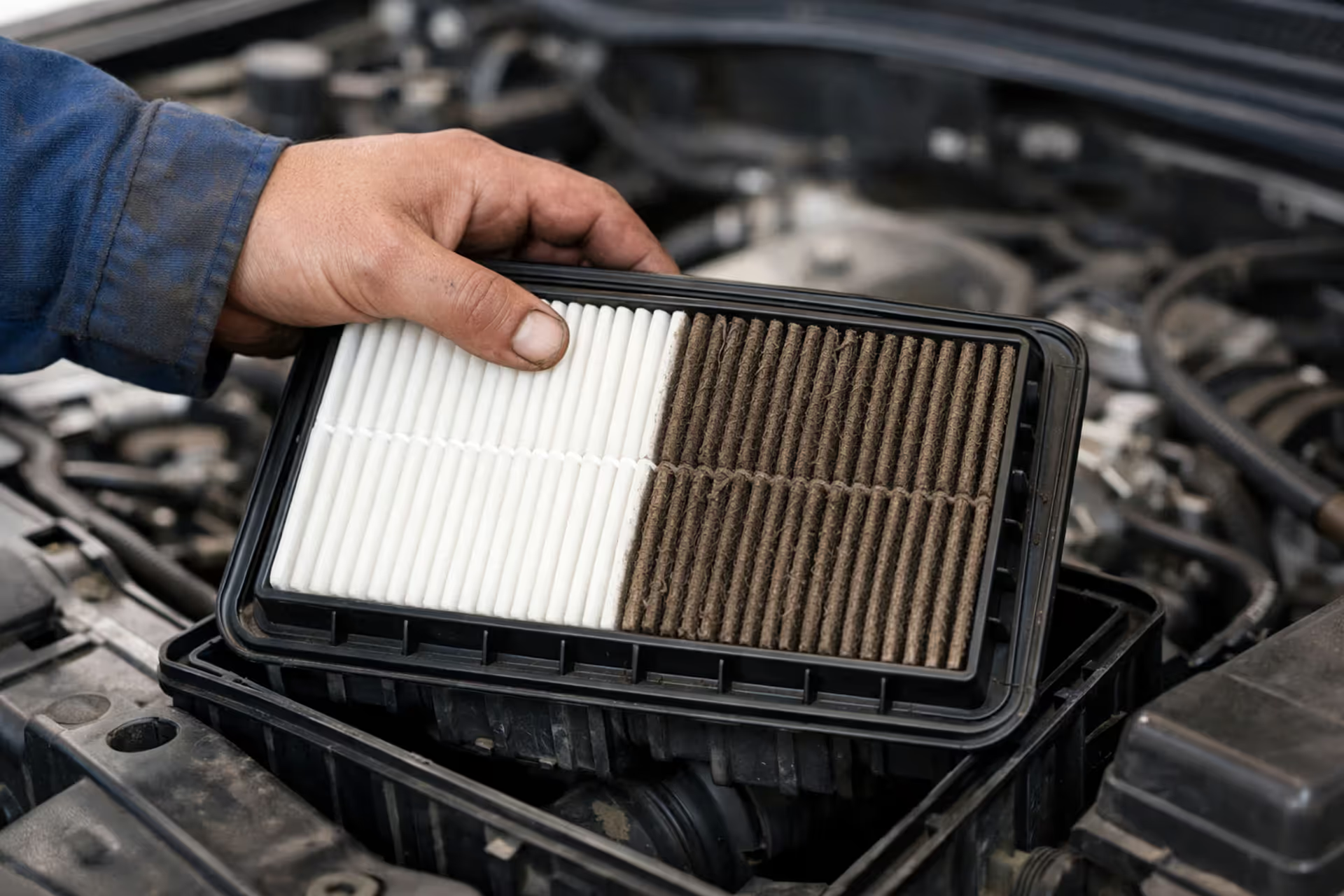
Mechanic hand pulling a half-clean half-dirty rectangular engine air filter from a black plastic housing in a car engine bay
Air Filter Replacement: When to Change Your Engine Filter and Why It Matters

Your engine's air filter acts as the lungs' first line of defense—deciding which particles make it into the combustion chamber while stopping road grit, pollen, and unfortunately, the occasional grasshopper. This component (typically around 12 inches square in most sedans) sits between your engine and whatever gets kicked up by the semi truck three lanes over.
Most folks first encounter this part when a service advisor waves a blackened rectangle in front of them during an oil change. At that point, contamination has already siphoned away horsepower and drained fuel efficiency. Mastering replacement timing and recognizing early warning signals protects your wallet and helps your engine cruise well beyond 200,000 miles without major surgery. We'll dig into how intake flow impacts combustion, spot the telltale signs demanding attention, and help you decide whether this job needs a mechanic or just 10 minutes in your driveway.
How Your Engine Air Filter Affects Performance and Fuel Economy
Burning just one gallon of gasoline demands roughly 9,000 gallons of air passing through that single rectangular filter before mixing with fuel inside the cylinders. Fresh elements permit unrestricted flow; contaminated ones choke the motor like breathing through a pillow.
The connection between engine airflow importance and driving feel becomes obvious when you punch the accelerator. That pedal movement opens the throttle valve, inviting extra oxygen into the engine. When the filter restricts intake flow, the engine computer responds by dumping in additional fuel to preserve proper air-fuel chemistry. You're burning more gas without gaining any speed. Drivers typically notice wimpy merging power, particularly when jumping onto highways or tackling mountain passes.
Today's vehicles rely on mass airflow sensors or manifold absolute pressure sensors to measure incoming oxygen volume. A contaminated filter throws off these readings. The processor interprets limited air supply and reduces fuel delivery—which sounds smart until you realize maintaining 65 mph now requires deeper throttle pressure. That heavier right foot cancels any economy benefit. Laboratory testing reveals MPG improvement maintenance can restore 2–6 percent efficiency after swapping a severely restricted filter in pre-2010 vehicles. Newer engines featuring advanced adaptive tuning show smaller gains—usually 1–2 percent—though those savings compound over 15,000-mile service cycles.
Engine efficiency airflow directly influences tailpipe emissions, too. Incomplete combustion generates carbon monoxide alongside unburned hydrocarbons. A blocked filter forces rich operation, multiplying these pollutants. States enforcing strict emissions rules will reject your inspection despite functional catalytic converters and working oxygen sensors.
"A suffocating air filter doesn't just rob horsepower—it creates a cascade of issues. The engine works harder, runs hotter, and wears faster because combustion becomes uneven. I've torn down 200,000-mile powerplants that still showed excellent compression numbers because their owners changed air filters religiously every 15,000 miles." — Mike Harrington, ASE Master Certified Technician, National Institute for Automotive Service Excellence
— Kevin Thornton
Warning Signs Your Air Filter Needs Replacement
You won't need diagnostic equipment to identify a failing filter. Multiple dirty filter symptoms surface long before permanent damage sets in.
Visual inspection provides the quickest diagnosis. Pop your hood, find the filter housing (typically a black plastic box near the engine's front corner or mounted on top), and unlatch the lid. Pull out the element and point it toward bright sunlight or your garage light. When light can't penetrate the accordion pleats, you've already waited too long. A thin dust layer is acceptable; thick brown or gray buildup clogging those folds demands immediate swapping.
Sluggish passing power emerges when you're trying to overtake slower vehicles or merging onto expressways. The engine feels flat and hesitant, like you're towing a boat you forgot about. This symptom mimics worn spark plugs or clogged fuel injectors, though checking the filter eliminates the simplest culprit first.
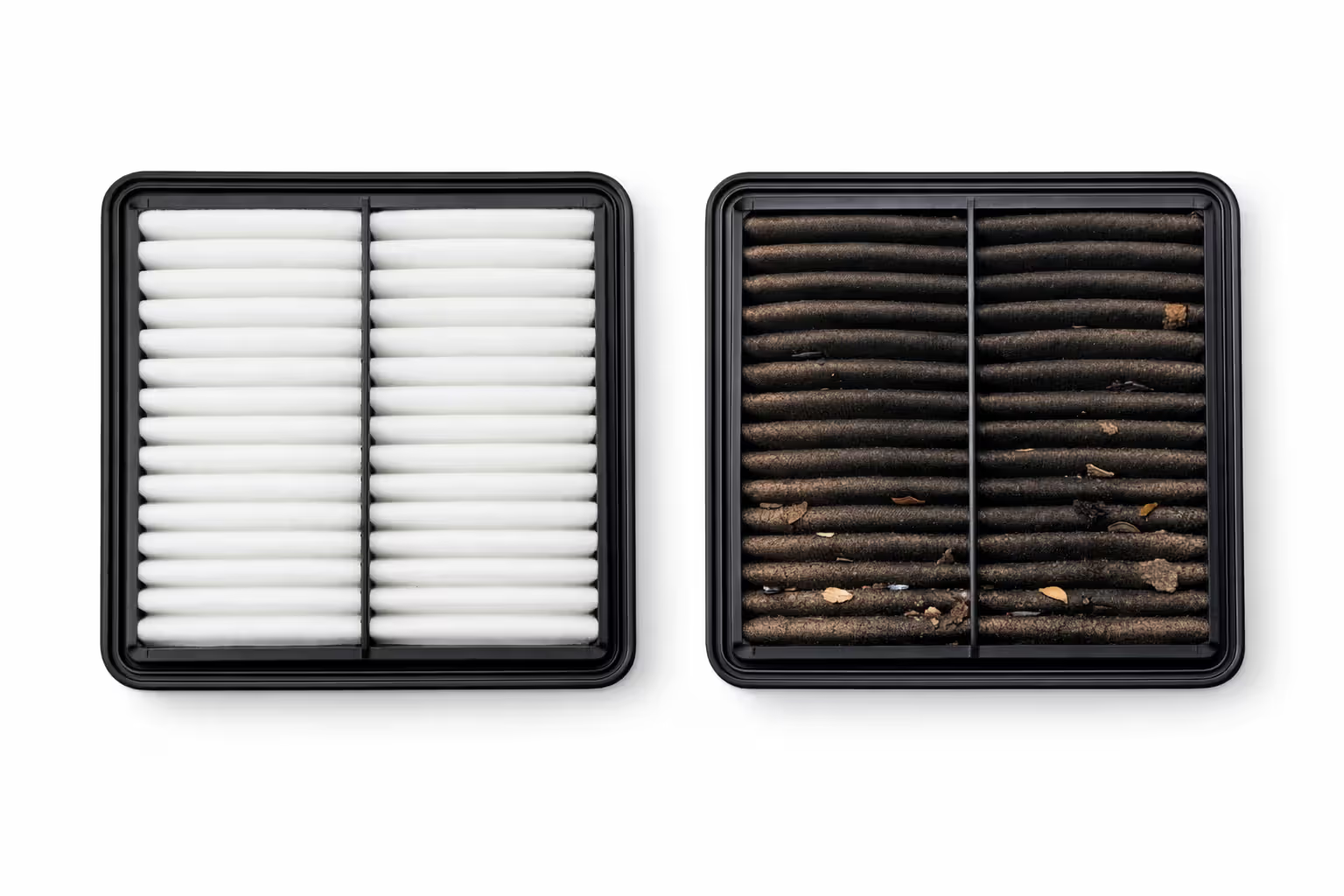
Author: Kevin Thornton;
Source: shafer-motorsports.com
Gas station visits multiply when you're refueling more frequently despite identical driving routes. Monitor your fuel economy across two or three tankfuls. A sudden 10 percent drop—tumbling from 28 MPG down to 25 MPG, say—points toward intake restriction.
Check engine lights might activate when air-fuel ratios drift beyond acceptable limits. Trouble codes P0171 (lean condition) or P0172 (rich condition) occasionally stem from a choked filter, although these codes also signal vacuum leaks or faulty sensors. Inspect the filter before handing over cash for expensive diagnostic sessions.
Unusual intake sounds include whistling or wheezing from beneath the hood. This occurs when air forces itself through gaps around a warped or improperly seated filter. In extreme situations, you'll experience rough idling or misfires as individual cylinders receive uneven oxygen supply.
Black exhaust smoke indicates excessive fuel delivery. While this typically points toward injector malfunctions, a restricted filter contributes by forcing the computer to overfuel in compensation.
Air Filter Replacement Intervals: Mileage vs. Driving Conditions
Factory service schedules typically recommend engine air filter changes every 15,000 to 30,000 miles under normal conditions. That 15,000-mile gap exists because "normal" varies dramatically depending on where and how you drive. A Phoenix freeway commuter encounters completely different challenges than a Manhattan delivery driver crawling through gridlock.
| Driving Environment | Recommended Interval (miles) | Check Frequency | Notes |
| Pavement-only suburban and highway mix | 20,000–30,000 | During every oil service | Visual examination at 15,000 catches early accumulation |
| Frequent gravel roads or construction areas | 10,000–15,000 | Every 5,000 miles | Swap sooner when heavy debris appears |
| Stop-and-go urban traffic with extended idling | 15,000–20,000 | During every oil service | Stationary motors ingest more particulate matter |
| Predominantly highway miles (70% or more) | 25,000–35,000 | Every 10,000 miles | Consistent speeds generate less intake disruption |
| Off-road trails or beach sand exposure | 5,000–10,000 | Every 3,000 miles | Sand, mud, and moisture rapidly destroy filter media |
Replacement interval air filter recommendations change radically depending on your region. A filter might survive 30,000 miles in rural Minnesota yet need discarding at 12,000 miles in Arizona's desert climate.
Why Off-Road and City Drivers Need More Frequent Changes
Trail enthusiasts combat fine sand particles and mud penetrating even premium filters. Water crossings introduce moisture that converts dirt into paste, entirely blocking airflow. Weekend wheelers tackling backcountry trails monthly should inspect filters following every outing and budget for twice-yearly replacements regardless of mileage.
City drivers wrestle different contamination: microscopic particulate pollution from brake dust, tire rubber, and diesel exhaust. Stop-and-go traffic means prolonged idling where engines draw air at reduced velocity. Slower intake speeds permit heavier particles to settle in filter media instead of flowing through. When your commute involves hour-long traffic nightmares, slash recommended intervals by 25 percent.
Checking Your Owner's Manual vs. Generic Advice
Your vehicle's maintenance booklet presents two service schedules: standard and severe. Most people figure they operate under "standard," yet automakers define "severe" surprisingly broadly. It encompasses:
- Regular short trips under 10 miles
- Extended idling periods
- Dusty environments
- Trailer towing or heavy payload hauling
- Temperature extremes (consistently below freezing or above 90°F)
When any of these apply, follow the severe schedule, which typically halves replacement intervals. A Honda Accord's standard plan might specify filter changes at 30,000 miles, while severe service drops that to 15,000.
Chain quick-lube facilities often recommend replacement every 12,000 miles since it's straightforward to remember and coincides with yearly service appointments. This isn't a scam—it's conservative advice preventing neglect. When you're uncertain which category describes your driving, choose more frequent service.
Step-by-Step: Replacing Your Air Filter at Home
Air filter replacement ranks among the most straightforward maintenance tasks any vehicle owner can master. You won't need specialized tools, won't spill fluids, and won't risk damaging expensive sensors. Budget 10 minutes for your first attempt; subsequent changes take five.
What you'll need: - Correct replacement filter (verify compatibility with your year, make, and model) - Flashlight for housing inspection - Shop vacuum or compressed air can for cleanup (optional)
The process:
- Locate the filter housing. Raise the hood and search for a large black plastic box near the engine's front corner or positioned on top. A sizable rubber or hard plastic duct connects it to the throttle body. Some manufacturers conceal the housing beneath decorative engine covers; remove these by pulling up on plastic clips or loosening screws.
- Open the box. Most lids secure with spring clips, plastic latches, or Phillips screws. Clips flip up or slide sideways; latches need gentle prying with a flathead screwdriver. When screws hold the lid, use the correct socket or driver. Pocket the hardware—losing a clip means an unplanned parts store trip.
- Pull out the old element. Notice which direction it faces. Filters have rubber gaskets around their edges that seal against housing walls. Some are rectangular; others circular or oval. When the gasket tears or adheres to the housing, remove every piece.
- Inspect the housing interior. Shine your flashlight inside and search for leaves, acorns, or mouse nests. Field mice occasionally build homes inside air boxes. Vacuum loose debris or wipe surfaces with damp shop towels. Skip compressed air inside the housing—it blows dirt straight toward the intake manifold.
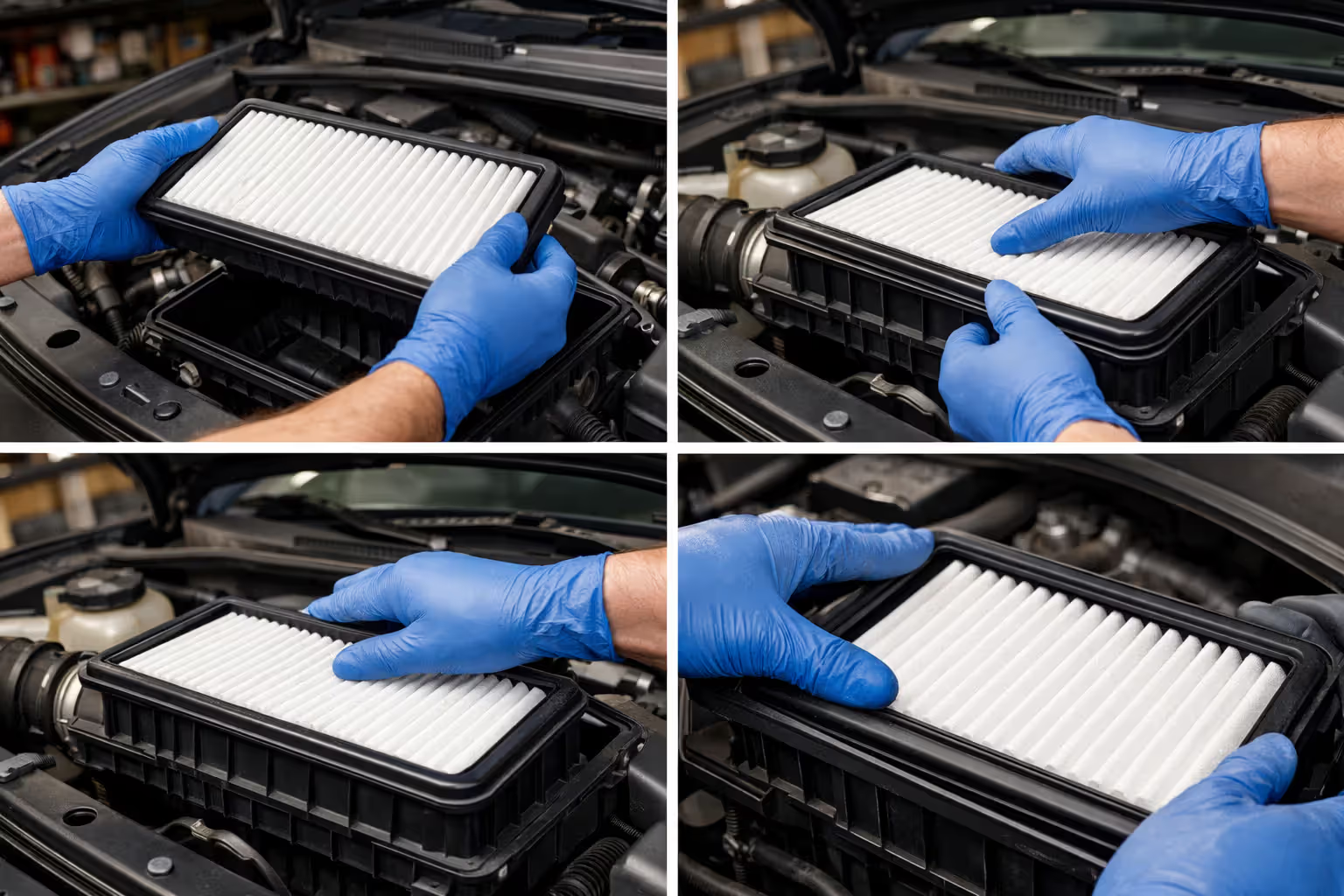
Author: Kevin Thornton;
Source: shafer-motorsports.com
Install the new filter. Orient it exactly like the original element. The rubber seal needs to sit flush against the housing's rim. Gentle downward pressure seats it properly. Forcing creates bent filter frames.
- Close the lid. Align the cover with the housing and fasten all clips or screws. Clips should snap audibly; loose clips mean the filter sits incorrectly. Recheck the filter's position when clips feel unstable.
- Confirm everything works. Start the engine and listen for whistling or hissing near the air box. Briefly press the gas pedal and verify normal response. When the check engine light was on due to airflow issues, the computer may need several drive cycles before clearing the warning.
Mistakes to avoid:
- Installing it backwards. The gasket edge faces the housing floor, not the lid. Reversing this lets unfiltered air bypass the element completely.
- Forgetting sensor connections. Some housings mount mass airflow sensors or intake temperature sensors on their lids. Leaving these unplugged triggers immediate dashboard lights.
- Overtightening hardware. Plastic housing threads strip easily. Snug is enough; you're not torquing lug nuts.
- Skipping interior cleanup. Debris left inside gets sucked straight into cylinders when you start the motor.
Professional Replacement vs. DIY: Cost Breakdown and Time Investment
Professional air filter replacement at dealerships or independent shops runs $30 to $70 including parts and labor. Expect higher charges for luxury or European brands; BMW and Audi filters alone cost $40 to $60 because of specialized designs.
DIY costs cover only the filter. Aftermarket brands from Fram, K&N, or Bosch retail for $12 to $30 at auto parts chains. Factory OEM filters from dealerships cost $20 to $50 but guarantee precise fitment. Changing your own filter twice annually saves $60 to $100 in labor over vehicle ownership.
Time investment matters for people juggling busy schedules. Shops include filter replacement within multi-point inspections lasting 30 to 45 minutes total. You'll spend 10 minutes on DIY work, but you'll also drive to the store, verify part numbers, and dispose of the old filter. For someone with scarce free hours, paying $40 to bundle this service with oil changes makes sense.
When professional installation makes sense:
- Difficult access. Certain vehicles bury the air filter beneath batteries, washer fluid reservoirs, or intake plumbing. Subaru WRXs need battery removal; Chrysler 300 V6 models hide the filter below throttle bodies. Jobs requiring more than simple cover removal justify shop labor.
- Package maintenance deals. Quick-lube facilities often offer free filter inspections with oil changes. When the filter looks marginal, technicians will show it to you. Replacing it on the spot eliminates a second trip.
- Warranty protection. Vehicles under factory warranty need documentation for all owner-performed maintenance. Some manufacturers void coverage suspecting neglect. Preserving your $15 filter receipt proves maintenance compliance.
How a Clean Air Filter Improves Engine Efficiency and Longevity
Optimal engine efficiency airflow governs combustion chamber temperature patterns. Complete fuel burning distributes heat evenly across piston crowns and cylinder walls. A choked filter creates inconsistent lean or rich zones that burn unevenly, producing hot spots. Across thousands of miles, these thermal stress areas crack piston rings and erode valve seats.
Regular intake system maintenance shields the mass airflow sensor from contamination. This sensor uses a heated wire measuring air density. Built-up dust and oil film coat the wire, corrupting measurements and potentially triggering limp mode in severe cases. Cleaning or replacing MAF sensors costs $80 to $300; a $20 filter prevents the problem entirely.
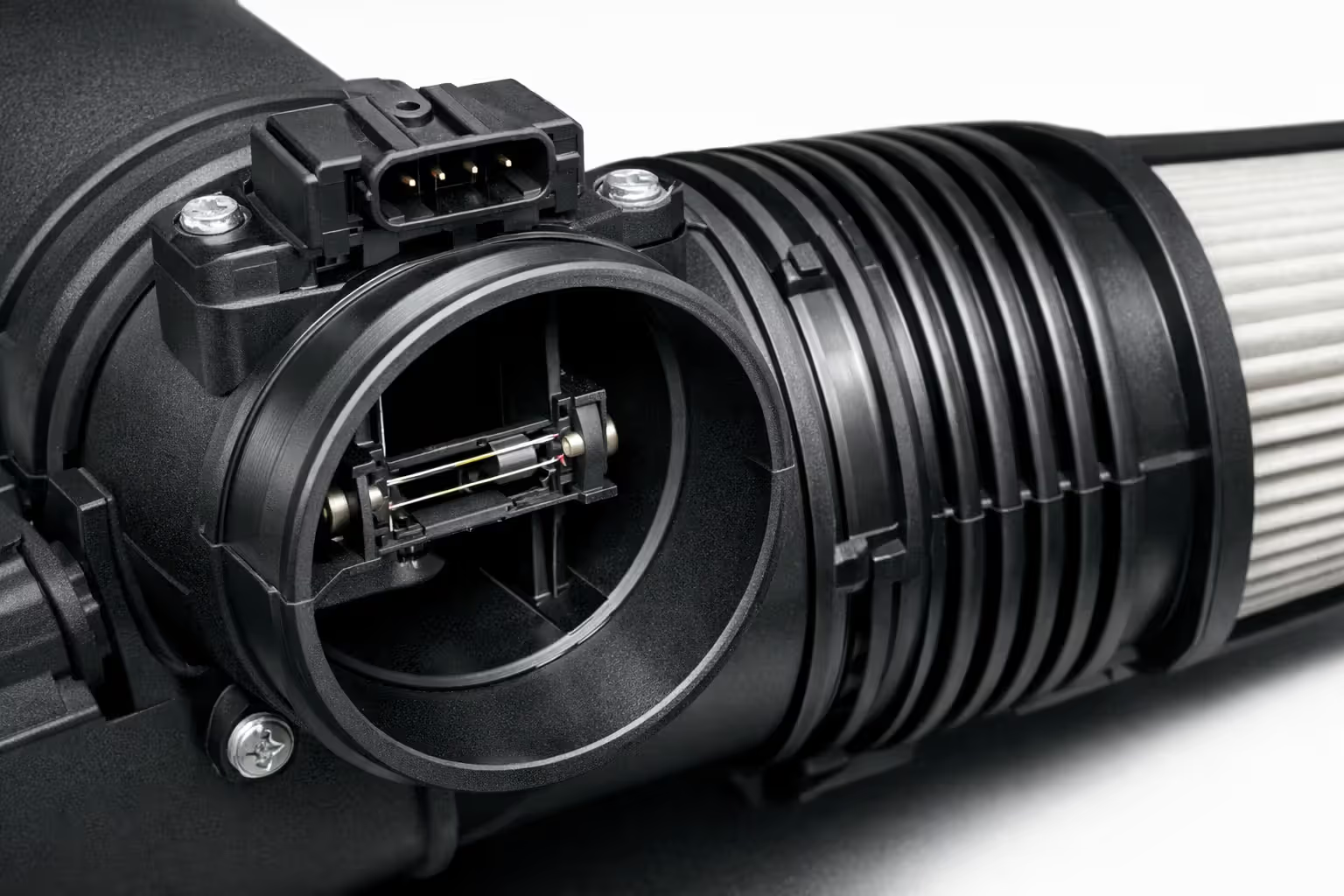
Author: Kevin Thornton;
Source: shafer-motorsports.com
Fresh filters also protect throttle bodies. Carbon deposits accumulate on throttle plates when unfiltered air transports oil vapor and particulate soot past compromised filters. Dirty throttle bodies cause erratic idling and stalling. Professional throttle cleaning runs $150 to $200; preventive filter changes sidestep this expense.
Long-term cost savings multiply over ownership. Engines breathing freely run cooler, reduce cooling system stress, and maintain designed oil pressure. Drivers respecting filter intervals regularly see their powerplants exceed 200,000 miles without major overhauls. Those ignoring filters encounter premature turbocharger failures (turbos spin at 100,000 RPM requiring clean intake air), clogged EGR valves, and fouled spark plugs.
Emissions benefits prove critical in states with mandatory testing. Clean filters help catalytic converters process optimal exhaust chemistry, extending converter life. Replacement catalytic converters cost $800 to $2,500; a $20 filter every 20,000 miles provides cheap insurance.
Frequently Asked Questions About Air Filter Maintenance
Keep Your Engine Breathing Easy
Engine air filters cost less than a tank of gas yet protect components worth thousands. Checking yours takes five minutes; swapping it needs ten. Motorists maintaining this basic practice enjoy better fuel economy, responsive acceleration, and engines reaching well past 200,000 miles. Those neglecting it face diminished performance, failed emissions tests, and expensive mechanical repairs.
Set a reminder to pull your filter during every oil change. When it looks gray or contaminated, install a fresh one right away. Hold it toward light if you're unsure—whether you can see through the pleats tells you everything. Unrestricted air guarantees complete combustion, and complete combustion delivers reliable engines that start consistently and operate efficiently for decades.
Whether you handle this job personally or delegate it to mechanics, make filter replacement a mandatory maintenance item. Your engine responds with smooth power, reduced fuel costs, and the peace of mind that comes from addressing problems before they escalate into expensive failures.
Related Stories
Read more

Read more




The content on Auto Insights is provided for general informational and educational purposes only. It is intended to offer guidance on car buying, vehicle ownership, finance, insurance, EVs, maintenance, accessories, reviews, and related topics, and should not be considered professional financial, legal, insurance, mechanical, or investment advice.
All information, tools, calculators, comparisons, and recommendations presented on this website are for general guidance only. Individual financial situations, driving habits, vehicle conditions, insurance policies, and market factors vary, and actual results or costs may differ from estimates provided.
Auto Insights makes no guarantees regarding accuracy, completeness, or current applicability of the information, as automotive markets, regulations, incentives, interest rates, and vehicle specifications may change over time.