
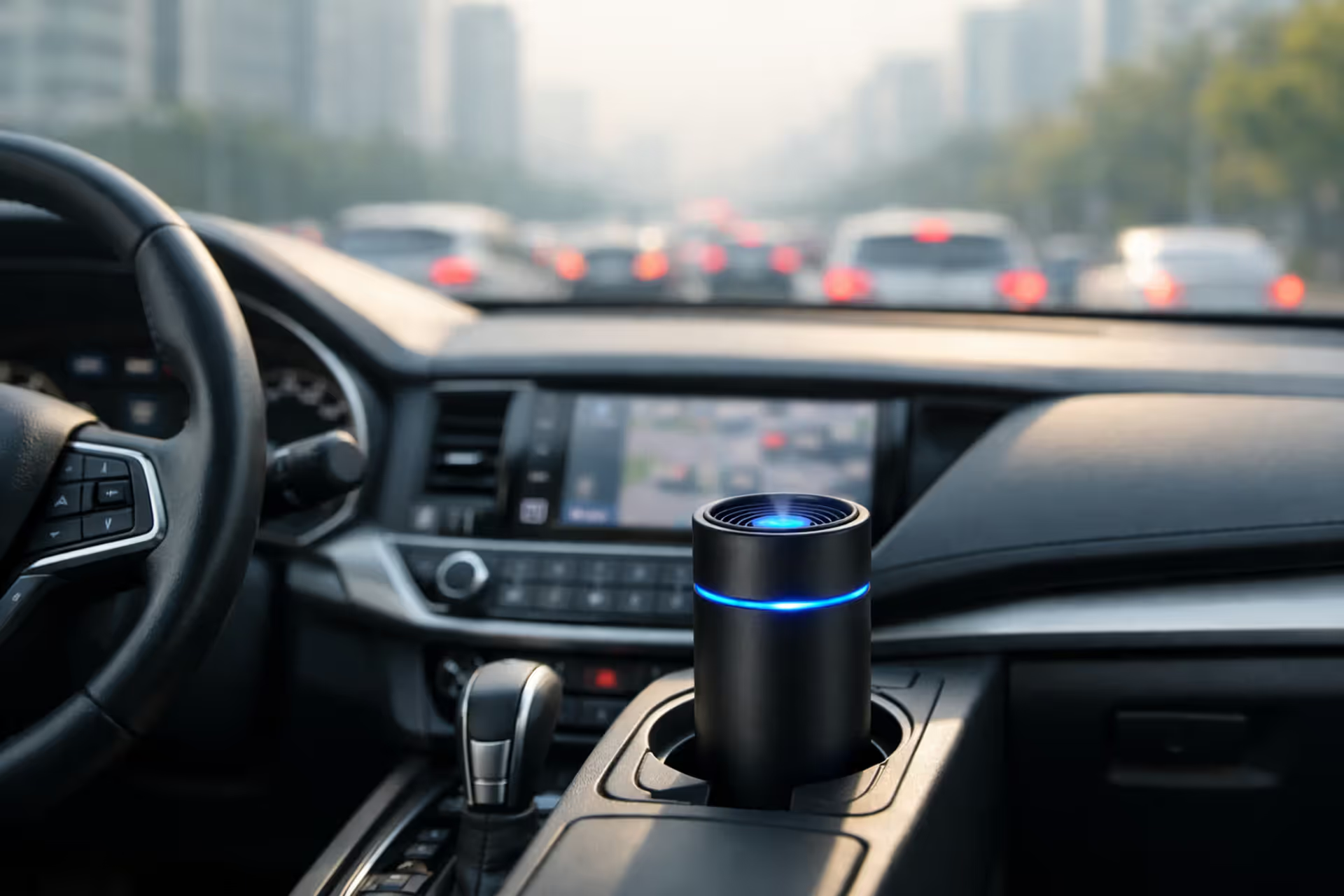
Car air purifier with blue LED indicator placed in a cup holder inside a vehicle cabin with urban traffic visible through the windshield
Car Air Purifiers: How They Improve Cabin Air Quality and Protect Your Health

Your car's interior air can be up to ten times more polluted than the air outside. This isn't an exaggeration—studies from the Environmental Protection Agency and independent researchers have consistently found that vehicle cabins trap and concentrate pollutants in ways most drivers never consider.
The problem starts with your commute. Diesel exhaust from trucks, brake dust particles, industrial emissions, and even off-gassing from your dashboard materials all accumulate in the confined space of your vehicle. Americans spend an average of 293 hours per year behind the wheel, which means you're breathing this concentrated mix for the equivalent of more than twelve full days annually.
Children face even greater risks. Their developing respiratory systems process air faster than adults, making them more vulnerable to particulate matter and volatile organic compounds. If you have asthma, seasonal allergies, or chemical sensitivities, the enclosed environment of a vehicle cabin can trigger symptoms within minutes of starting your drive.
The situation worsens during traffic jams. When you're stuck behind other vehicles with your ventilation system pulling in outside air, you're essentially creating a pipeline for exhaust fumes directly into your breathing space. Recirculation mode helps, but it doesn't filter out the pollutants already inside or the gases that seep through door seals and windows.
"The concentration of ultrafine particles inside vehicles during rush hour traffic can exceed 100,000 particles per cubic centimeter—levels that have been directly linked to cardiovascular stress and respiratory inflammation. Portable filtration systems can reduce this exposure by 60-80% when properly sized and maintained." — Dr. Elena Martinez, Environmental Health Researcher at UCLA Fielding School of Public Health
— Kevin Thornton
How Car Air Purifiers Actually Work to Remove Pollutants
Understanding the mechanics behind air filtration car interior systems helps you make smarter purchasing decisions. These devices don't work like magic—they use specific technologies designed to target different types of contaminants.
HEPA vs. Activated Carbon vs. Ionizer Technology
HEPA (High-Efficiency Particulate Air) filters trap physical particles. The fibers create a maze that captures dust, pollen, mold spores, and fine particulate matter as small as 0.3 microns. True HEPA filters must meet strict standards, removing 99.97% of particles at this size. These excel at handling the visible and invisible solid contaminants that trigger allergies and respiratory issues.
Activated carbon works through adsorption—a chemical process where gas molecules stick to the carbon's porous surface. This technology targets what you smell: cigarette smoke, food odors, gasoline fumes, and volatile organic compounds from air fresheners or cleaning products. Carbon filters don't remove particles; they neutralize gases and odors.
Ionizers release negative ions that attach to airborne particles, making them heavy enough to fall out of the air or stick to surfaces. Some models include collection plates to capture these charged particles. The appeal is silent operation and no filter replacements, but ionizers can produce trace amounts of ozone—a lung irritant—and they don't physically remove contaminants from your vehicle, just from the air.
Many effective car air purifiers combine these technologies. A HEPA filter handles particles while activated carbon tackles smells, giving you comprehensive cabin air quality improvement.
Coverage Area and Filtration Capacity Explained
Car air purifiers list their coverage in cubic feet or air changes per hour (ACH). A compact sedan has roughly 100-120 cubic feet of interior space, while a large SUV might have 180-200 cubic feet. The device needs to process this volume multiple times per hour to maintain clean air.
A purifier rated for 150 cubic feet with 3 ACH will cycle all the air in that space three times hourly. This matters because pollution protection driving requires continuous filtration—you're constantly introducing new contaminants as you drive.
Most portable units draw 5-25 watts and move 10-50 cubic feet of air per minute. Higher airflow means faster cleaning but also more noise. Balance is key: too weak and it can't keep up with new pollution; too powerful and the fan noise becomes distracting.
| Technology Type | What It Removes | Best For | Maintenance Level | Typical Price Range |
| HEPA Filter | Pollen, dust, mold spores, fine particles, pet dander | Allergy sufferers, families with kids, high-pollution areas | Medium (filter replacement every 6-12 months) | $40-$150 |
| Activated Carbon | Smoke, cooking odors, VOCs, gasoline fumes, chemical smells | Smokers, pet owners, odor-sensitive drivers, new cars | Medium (replacement every 3-6 months) | $30-$100 |
| Ionizer | Airborne particles (doesn't remove, causes them to settle) | Budget-conscious buyers, those wanting silent operation | Low (wipe collection plates monthly) | $20-$80 |
| Combination Units | Particles, gases, odors—comprehensive coverage | Most drivers seeking complete air quality solution | Medium-High (multiple filter types to maintain) | $60-$200 |
Proven Benefits: From Allergy Relief to Odor Elimination
The right allergy reduction accessories vehicle can transform your driving experience, but the benefits extend beyond just reducing sneezes.
People with seasonal allergies report 40-70% fewer symptoms when using properly maintained HEPA-based purifiers during high pollen counts. The device continuously removes pollen that would otherwise circulate through your cabin, settling on seats and re-entering the air every time you move or adjust the climate controls.
Author: Kevin Thornton;
Source: shafer-motorsports.com
Asthma sufferers gain a buffer against triggers. Fine particulate matter from diesel exhaust—one of the most problematic asthma triggers—gets trapped before reaching your lungs. This doesn't replace medication, but it reduces the frequency of exposure events that lead to attacks.
Cigarette smoke removal takes longer than most people expect. While activated carbon neutralizes the smell within 20-30 minutes of smoking, the residue on surfaces continues to off-gas. Running your purifier continuously for several days after smoking in the vehicle produces better results than intermittent use.
Pet owners find these devices particularly valuable. Dog dander and cat allergens become airborne every time your pet shifts position. A combination unit with HEPA and carbon filters addresses both the allergenic particles and the odors that accumulate in upholstery.
Mold prevention matters in humid climates. Purifiers with HEPA filters capture mold spores before they can colonize your air conditioning system or grow in damp carpet areas. This proactive approach beats dealing with established mold growth, which requires professional remediation.
New car smell—actually a cocktail of volatile organic compounds from plastics, adhesives, and fabrics—can cause headaches and nausea in sensitive individuals. Activated carbon filters significantly reduce these off-gassing chemicals during the first few months of vehicle ownership.
Choosing the Right Air Purifier for Your Vehicle Type and Needs
Matching health focused accessories car to your specific situation prevents buyer's remorse and wasted money.
Compact Cars vs. SUVs: Size and Power Requirements
A small sedan needs a purifier that processes 100-120 cubic feet efficiently. Oversizing doesn't hurt performance but costs more and may not fit comfortably in limited space. Look for units rated for 150 cubic feet—this provides headroom for effective cleaning without overwhelming your cup holder or dashboard area.
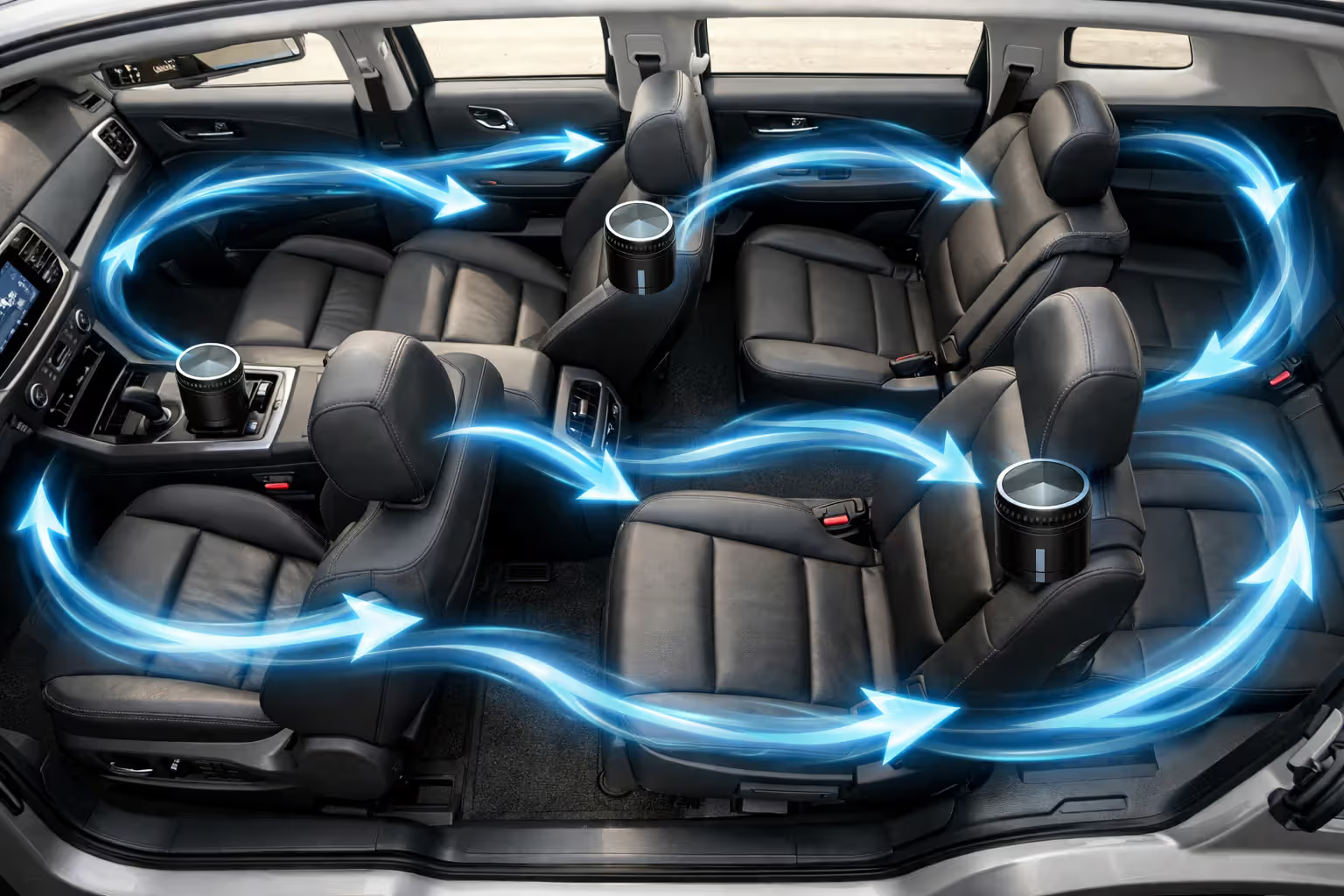
SUVs and minivans require more robust devices. A purifier designed for a sedan will run continuously without keeping up with the larger air volume. Target units rated for 200+ cubic feet, and consider placing two smaller purifiers strategically (one front, one rear) rather than a single unit if you regularly carry passengers in back seats.
Three-row vehicles present the biggest challenge. Air circulation to the third row is often poor, meaning a single purifier near the front won't effectively clean the rear area. Parents with kids in back seats should prioritize either a high-capacity unit with strong airflow or a dual-unit setup.
Author: Kevin Thornton;
Source: shafer-motorsports.com
Plug-in Models vs. USB-Powered vs. Battery-Operated Options
12-volt plug-in models (cigarette lighter adapters) deliver the most power and work well for primary vehicles where you don't need to move the unit. They run whenever the car is on, providing consistent filtration without battery concerns. The downside: they occupy your power outlet, which may conflict with phone charging needs.
USB-powered purifiers offer flexibility. Most modern vehicles have multiple USB ports, and these devices draw less power—typically 5 watts or less. They work adequately for compact cars but may lack the airflow needed for larger vehicles. The advantage is portability; you can move them between vehicles or take them into your office.
Battery-operated units provide true portability but require recharging every 4-8 hours of use. They're ideal for ride-share drivers who switch between vehicles or for use during short trips. The limitation is remembering to charge them; a dead battery means no filtration.
Consider your charging infrastructure. If your vehicle has only one USB port and you need it for navigation, a 12-volt model makes more sense. If you have multiple ports, USB-powered units offer better flexibility as interior comfort upgrades.
Installation and Placement: Where to Position Your Unit for Maximum Effectiveness
Even the best purifier fails if positioned poorly. Air needs to flow through the device and circulate throughout the cabin.
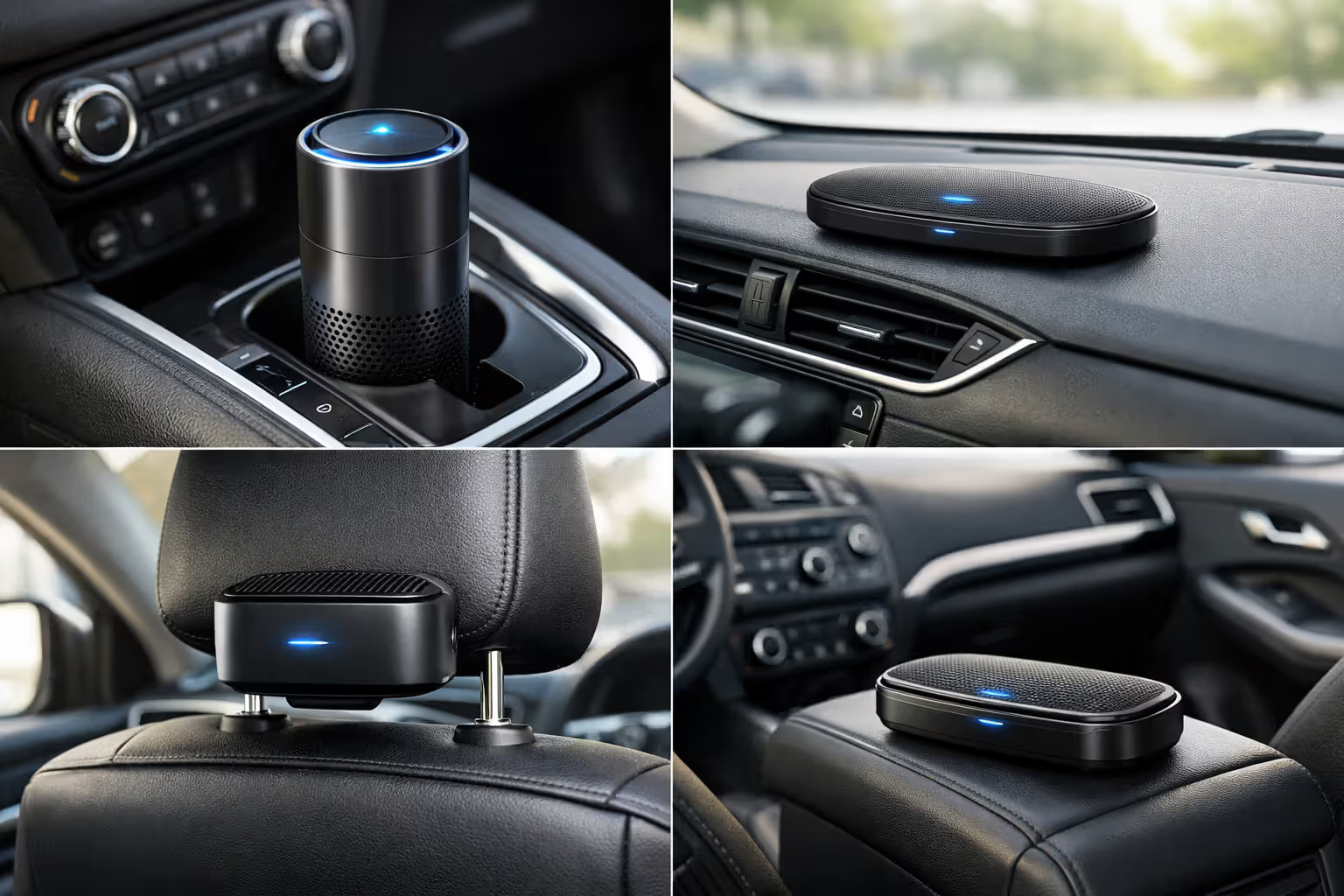
Cup holder placement works for most cylindrical units. This position sits low enough to avoid obstructing visibility while remaining accessible for controls. The challenge is that air tends to stratify in vehicles—pollutants concentrate at breathing level, not near the floor. Cup holder units need sufficient fan power to push cleaned air upward.
Dashboard mounting near air vents leverages your vehicle's existing circulation. When you run the climate control, the airflow helps distribute purified air throughout the cabin. Avoid blocking vents or creating situations where the purifier pulls in the same air repeatedly without reaching the rest of the interior.
Headrest mounting positions the device at breathing height, which theoretically provides cleaner air directly to passengers. However, these units can obstruct rear visibility and may annoy backseat passengers. They work best in vehicles where the front seats rarely recline and rear seats are used infrequently.
Center console placement between front seats offers a compromise—accessible, out of the way, and positioned to serve both driver and passenger. Secure the unit properly; a hard stop shouldn't send it flying into the footwell.
Author: Kevin Thornton;
Source: shafer-motorsports.com
Avoid placing purifiers directly in sunlight streaming through windows. Excessive heat degrades filters faster and can warp plastic housings. Similarly, don't position them where they'll get splashed by drinks or covered by bags and jackets.
Run the purifier continuously during drives rather than turning it on only when you notice odors. Continuous operation maintains baseline air quality instead of constantly playing catch-up with accumulated pollutants.
Common Mistakes That Reduce Your Air Purifier's Performance
People waste money on cabin air quality improvement devices by using them incorrectly.
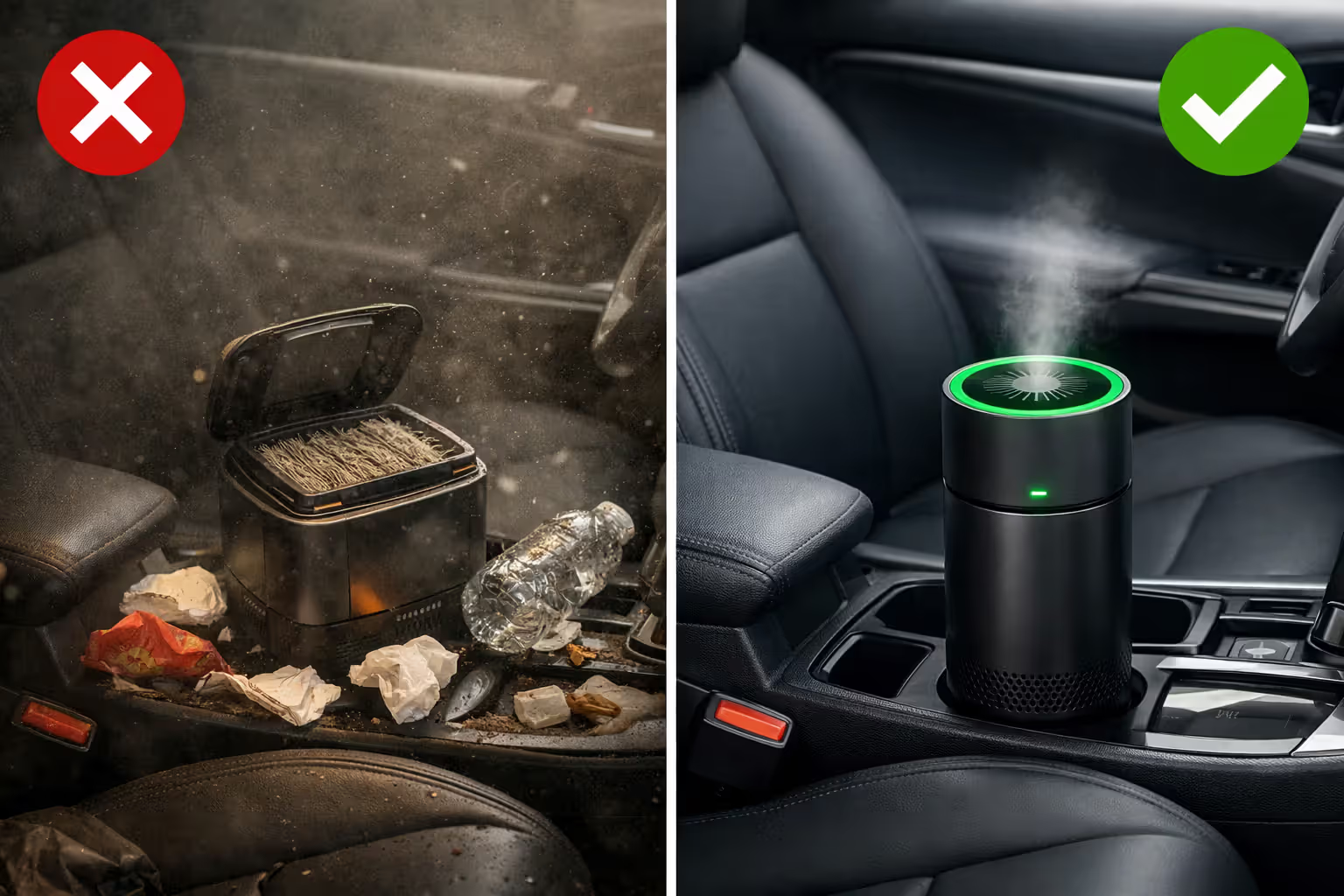
Choosing a filter type that doesn't match your primary concern is the most common error. If you're fighting seasonal allergies, an ionizer-only unit won't help—you need HEPA filtration. If cigarette smoke is your issue, HEPA alone won't eliminate odors; you need activated carbon.
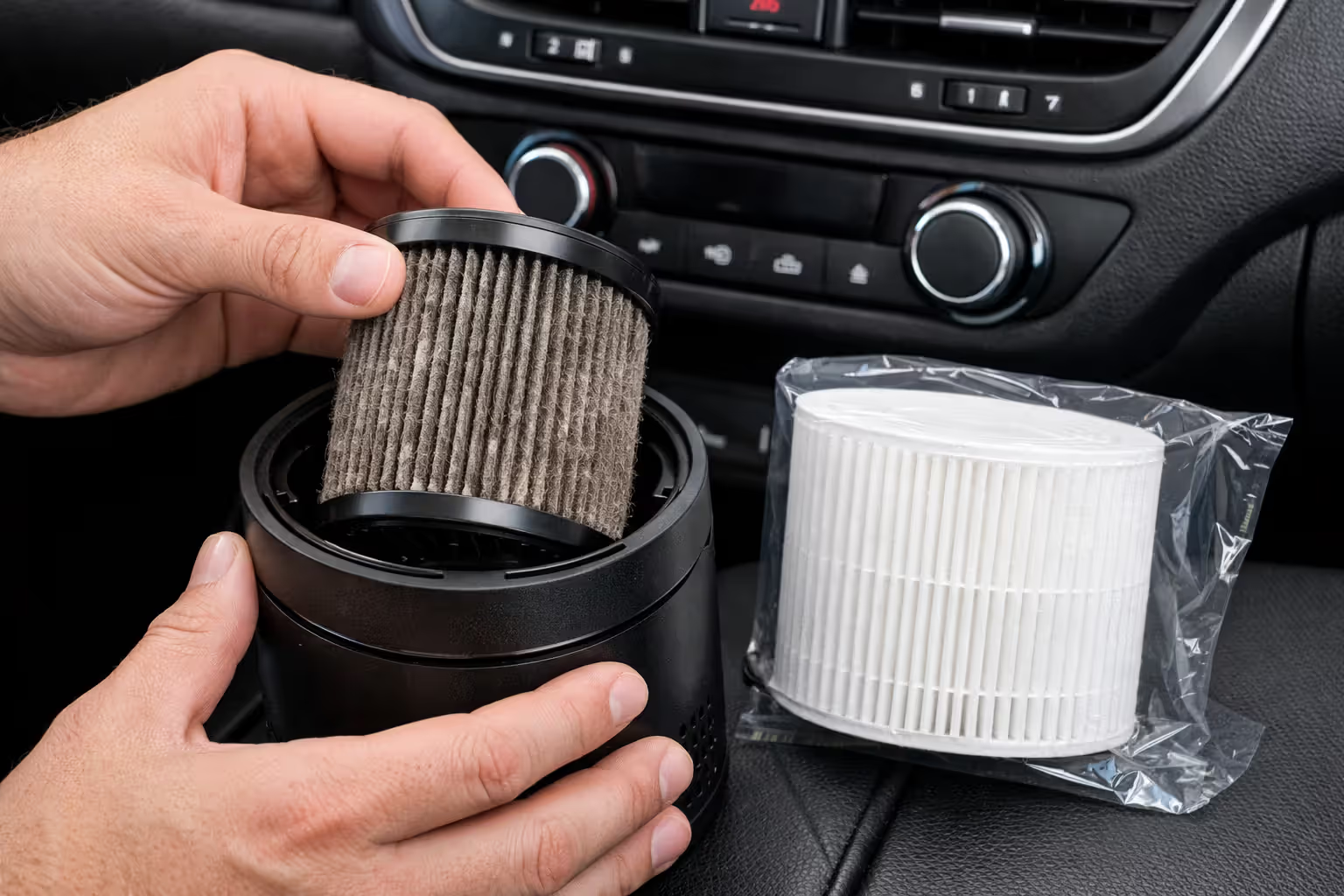
Ignoring maintenance schedules kills effectiveness. A clogged HEPA filter restricts airflow and may start releasing trapped particles back into the air. Saturated carbon filters stop adsorbing new odors and can even release previously captured compounds. Most manufacturers recommend filter checks every three months and replacements every six to twelve months, but heavy use in high-pollution areas may require more frequent changes.
Author: Kevin Thornton;
Source: shafer-motorsports.com
Running the purifier only during particularly bad air quality days means you're always reacting rather than maintaining. Pollutants accumulate in upholstery, carpets, and dashboard crevices. Intermittent use cleans surface air but never addresses the reservoir of contaminants embedded in materials.
Expecting immediate results from severe contamination leads to disappointment. If your car smells strongly of smoke or mildew, a purifier needs days or weeks of continuous operation to make a noticeable difference. These devices prevent and maintain; they're not miracle workers for neglected interiors.
Placing the unit where air circulation is poor—like deep in a cup holder surrounded by tall bottles or tucked under a seat—severely limits intake and output. The device needs clear space around intake vents and unobstructed output flow.
Buying undersized units for large vehicles guarantees underperformance. A purifier rated for 100 cubic feet can't effectively clean a 200-cubic-foot SUV interior, no matter how long it runs.
Maintenance Requirements and Long-Term Costs
Understanding the total cost of ownership for health focused accessories car prevents budget surprises.
HEPA filters typically need replacement every six to twelve months, depending on usage and pollution exposure. Replacement filters cost $15-$40 per set. If you drive daily in heavy traffic or high-pollen areas, lean toward the six-month replacement schedule. Visually inspect filters monthly—if they look dark gray or brown instead of white or light gray, replace them regardless of time elapsed.
Activated carbon filters have shorter lifespans, usually three to six months. You can't visually assess carbon saturation; follow the manufacturer's timeline. Replacement costs run $10-$30 per filter. Some units use combined HEPA-carbon filters, which simplifies maintenance but increases per-replacement costs to $25-$50.
Ionizers require minimal maintenance—wipe collection plates weekly with a damp cloth to remove accumulated particles. However, ionizer effectiveness degrades over time as the ion generator wears out. Expect to replace the entire unit every two to three years, which costs $20-$80 depending on the model.
Annual costs for a typical combination unit: $40-$80 for HEPA filters (two replacements), $30-$60 for carbon filters (three replacements), and about $5 in electricity costs. Total: $75-$145 per year.
Compare this to the cost of allergy medications, car detailing to remove odors, or health impacts from poor air quality. For most users, the investment pays for itself in reduced symptoms and improved comfort.
Replace the entire unit when the fan motor becomes noticeably louder, airflow decreases even with new filters, or the housing cracks. Most quality purifiers last three to five years with proper maintenance.
Some manufacturers offer subscription services for automatic filter delivery, which costs slightly more but ensures you never forget replacements. This works well for people who struggle with maintenance schedules.
Frequently Asked Questions About Car Air Purifiers
Making Your Vehicle a Healthier Space
Car air purifiers transform your vehicle from a pollution trap into a controlled environment where you breathe cleaner air. The investment—both initial purchase and ongoing maintenance—pays dividends in reduced allergy symptoms, fewer asthma triggers, and elimination of persistent odors that make driving unpleasant.
Success requires matching the technology to your specific needs: HEPA for particles, activated carbon for odors and gases, or combination units for comprehensive coverage. Size the device appropriately for your vehicle, position it where air can circulate freely, and commit to the maintenance schedule.
The difference between a worthwhile purchase and wasted money comes down to realistic expectations and consistent use. These devices work best as preventive tools that maintain air quality rather than emergency fixes for severely contaminated cabins. Run your purifier every time you drive, replace filters on schedule, and you'll notice the difference in how you feel during and after your commute.
Your car is a second home for many hours each week. Making that space healthier protects not just your comfort but your long-term respiratory health and that of your passengers.
Related Stories

Read more
Read more


The content on Auto Insights is provided for general informational and educational purposes only. It is intended to offer guidance on car buying, vehicle ownership, finance, insurance, EVs, maintenance, accessories, reviews, and related topics, and should not be considered professional financial, legal, insurance, mechanical, or investment advice.
All information, tools, calculators, comparisons, and recommendations presented on this website are for general guidance only. Individual financial situations, driving habits, vehicle conditions, insurance policies, and market factors vary, and actual results or costs may differ from estimates provided.
Auto Insights makes no guarantees regarding accuracy, completeness, or current applicability of the information, as automotive markets, regulations, incentives, interest rates, and vehicle specifications may change over time.