
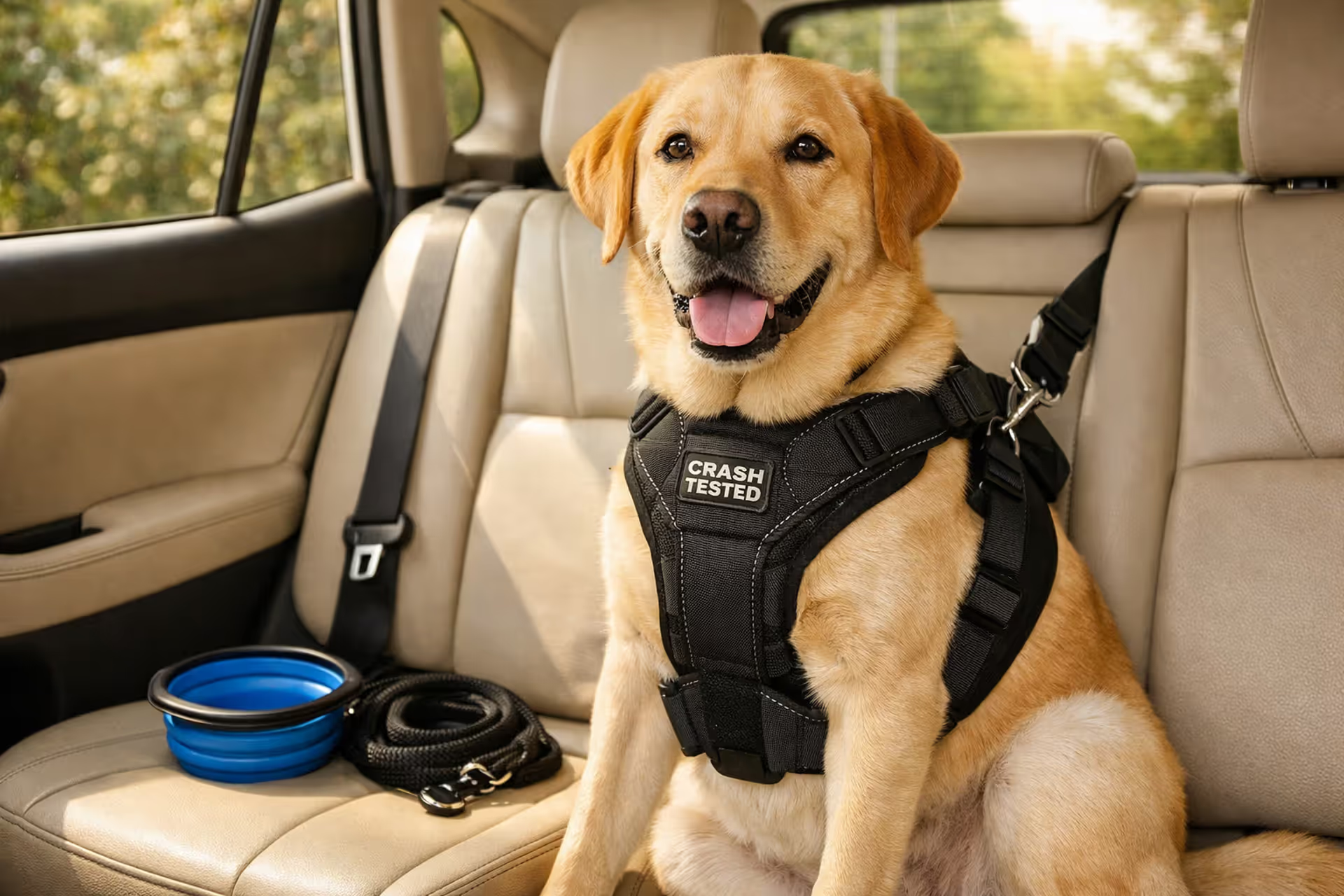
Golden Labrador retriever wearing a black crash-tested safety harness buckled with a seatbelt on the back seat of a car
Pet Travel Car Accessories That Make Road Trips Safer and Easier
A 60-pound Labrador becomes a 2,700-pound projectile in a 30 mph collision. That's not hyperbole—it's physics, and it explains why your golden retriever sprawled across the back seat represents one of the biggest safety risks on family road trips.
Most pet owners buckle up their children without thinking twice, yet 84% drive with unrestrained animals, according to AAA Foundation research. The gap between how we protect human passengers and pets isn't just inconsistent—it's dangerous for everyone in the vehicle.
Why Standard Seatbelts Won't Protect Your Pet in a Crash
Human seatbelts are engineered for skeletal structures with collarbones, specific torso proportions, and predictable crash positions. Dogs and cats have completely different anatomy. A standard seatbelt routed across a dog's body concentrates force on soft tissue and organs rather than distributing it across bone structure.
During sudden deceleration, an unrestrained 50-pound dog generates roughly 1,500 pounds of force at just 30 mph. That force doesn't just endanger the pet—it threatens every passenger. The Center for Pet Safety's crash testing reveals that most aftermarket "restraints" fail catastrophically, with tethers snapping, clips breaking, or harnesses tearing within the first second of impact.
"We see abdominal trauma, spinal fractures, and chest injuries in pets involved in even minor collisions when they're unrestrained or improperly secured. The same 15-mph fender-bender that gives a human whiplash can be fatal for a 20-pound dog thrown against a dashboard." — Dr. Sarah Wooten, DVM, Veterinary Emergency & Critical Care Society
Legally, the landscape remains murky. Only three states—Rhode Island, New Hampshire, and New Jersey—have laws specifically addressing pet restraint in vehicles, and enforcement is minimal. Most regulations focus on preventing distracted driving rather than crash protection. This legal vacuum means manufacturers face no mandatory testing standards, which explains why a $15 harness and a $150 one might both claim to be "crash-tested" despite wildly different performance.
The Center for Pet Safety remains the only independent organization conducting full-scale crash tests on pet travel car accessories. Their testing protocol mirrors child safety seat standards: a 30 mph frontal collision with high-speed cameras measuring G-forces, structural integrity, and injury potential. As of 2024, fewer than a dozen products have passed their certification.
Harnesses vs. Carriers vs. Barriers: Choosing the Right Restraint System
The restraint system that works for your neighbor's corgi won't necessarily suit your German shepherd or your vehicle setup. Each category solves different problems.
When to Use a Pet Safety Harness
Harnesses work best for medium to large dogs (25-100 pounds) riding in rear seats of sedans, coupes, or trucks. A proper crash-tested harness distributes impact force across the chest and shoulders, similar to how racing harnesses protect drivers.
The critical distinction: walking harnesses are not car harnesses. Walking gear uses thin straps and plastic clips designed for 15 pounds of leash tension, not 2,000 pounds of crash force. A genuine safety harness features aluminum V-ring attachment points, energy-absorbing tethers, and padded straps at least 1.5 inches wide.
Installation requires the harness to connect to a vehicle's seatbelt system via a strength-rated tether—never clip directly to the buckle receptacle. The tether should be short enough to prevent your dog from reaching the front seat (12-20 inches typically) but allow them to sit, stand, and lie down comfortably.
Trade-off: Harnesses offer the most freedom of movement but require proper sizing. A harness that's too loose shifts during impact, concentrating force on small areas. Too tight, and it restricts breathing on long drives.
The question is not whether we can afford to protect our animals in the car — the question is whether we can afford not to
— Temple Grandin
Crate and Carrier Solutions for Smaller Animals
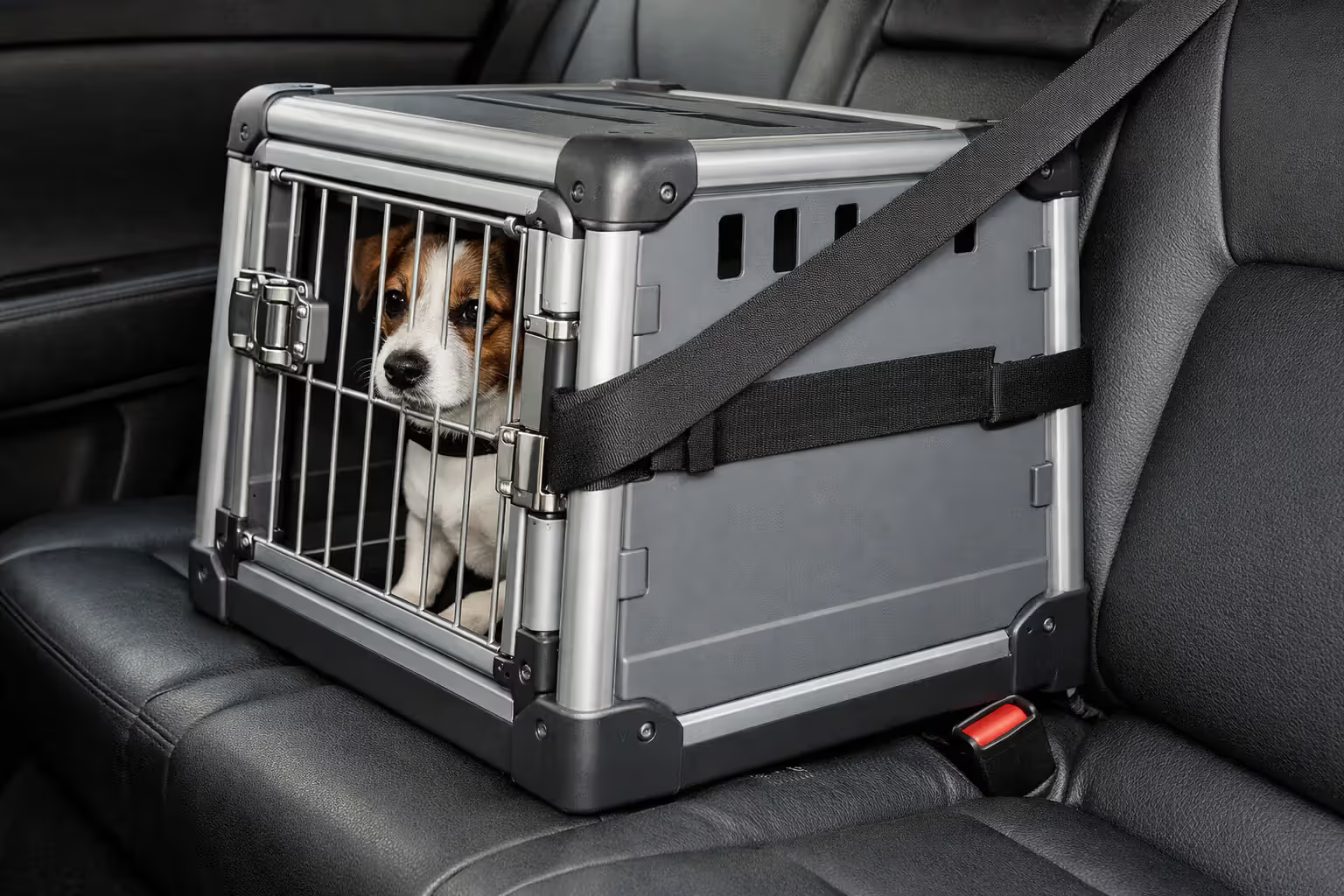
Hard-sided carriers and crash-tested crates suit cats, small dogs under 25 pounds, and anxious animals who feel more secure in enclosed spaces. The carrier itself becomes the protective shell, similar to how a car's frame protects passengers.
For maximum protection, the carrier must be secured to the vehicle structure—not just placed on a seat. Use the seatbelt to anchor soft carriers, or bolt a crate to a vehicle's cargo area tie-down points. A loose carrier becomes a projectile that injures the pet inside and anyone it strikes.
Crash-tested crates typically feature aluminum frames, reinforced doors with multiple latches, and specific installation hardware. Gunner Kennels, Impact, and Ruffland have passed independent testing. Wire crates and collapsible fabric carriers have not—their structures collapse on impact.
Rule of thumb: If you can squeeze the carrier's frame with moderate hand pressure, it won't protect in a crash.
Author: Brianna Lowell;
Source: shafer-motorsports.com
Cargo Barriers for SUVs and Hatchbacks
Barriers work when you have multiple large dogs, breeds that refuse harnesses, or need to transport pets in cargo areas. These metal or composite mesh panels mount between the rear seats and cargo space, preventing animals from entering passenger areas during sudden stops.
Barriers don't prevent pet injury—they prevent pets from becoming projectiles that injure humans. Think of them as containment rather than restraint. For actual crash protection, combine a barrier with a secured crate in the cargo area.
Installation quality matters more than the barrier itself. Tension-mounted barriers that wedge between floor and ceiling work for preventing access during normal driving but collapse in serious impacts. Properly installed barriers bolt to seat mounting points or cargo tie-downs using grade-8 hardware.
Vehicle compatibility is specific: barriers designed for a Honda CR-V won't fit a Toyota RAV4 even though both are compact SUVs. Measure your vehicle's cargo opening width, height, and available mounting points before purchasing.
| Restraint Type | Best For (pet size/type) | Vehicle Compatibility | Safety Rating | Price Range | Ease of Installation |
| Crash-tested harness | Dogs 25-100 lbs, calm temperament | Sedans, coupes, trucks with rear seats | High (if certified) | $75-$200 | Moderate; requires sizing |
| Hard-sided carrier | Cats, dogs under 25 lbs, anxious pets | All vehicles with seatbelts or cargo area | High (if secured properly) | $40-$300 | Easy for small; complex for large crates |
| Soft carrier | Cats, toy breeds under 15 lbs, short trips | Vehicles with rear seats | Low to moderate | $25-$80 | Easy; seatbelt threading |
| Cargo barrier | Multiple large dogs, harness-resistant breeds | SUVs, hatchbacks, wagons | Low (containment only) | $50-$250 | Complex; requires tools |
| Booster seat | Small dogs 5-20 lbs who want visibility | Vehicles with rear seats | Moderate (with tether) | $35-$120 | Easy; seatbelt installation |
Protecting Your Car Interior Without Sacrificing Pet Comfort
A $200 harness loses its appeal when your dog's muddy paws ruin $1,500 worth of leather seats. Seat protection pets car solutions range from basic waterproof covers to engineered hammock systems that balance protection with travel comfort animals vehicle needs.
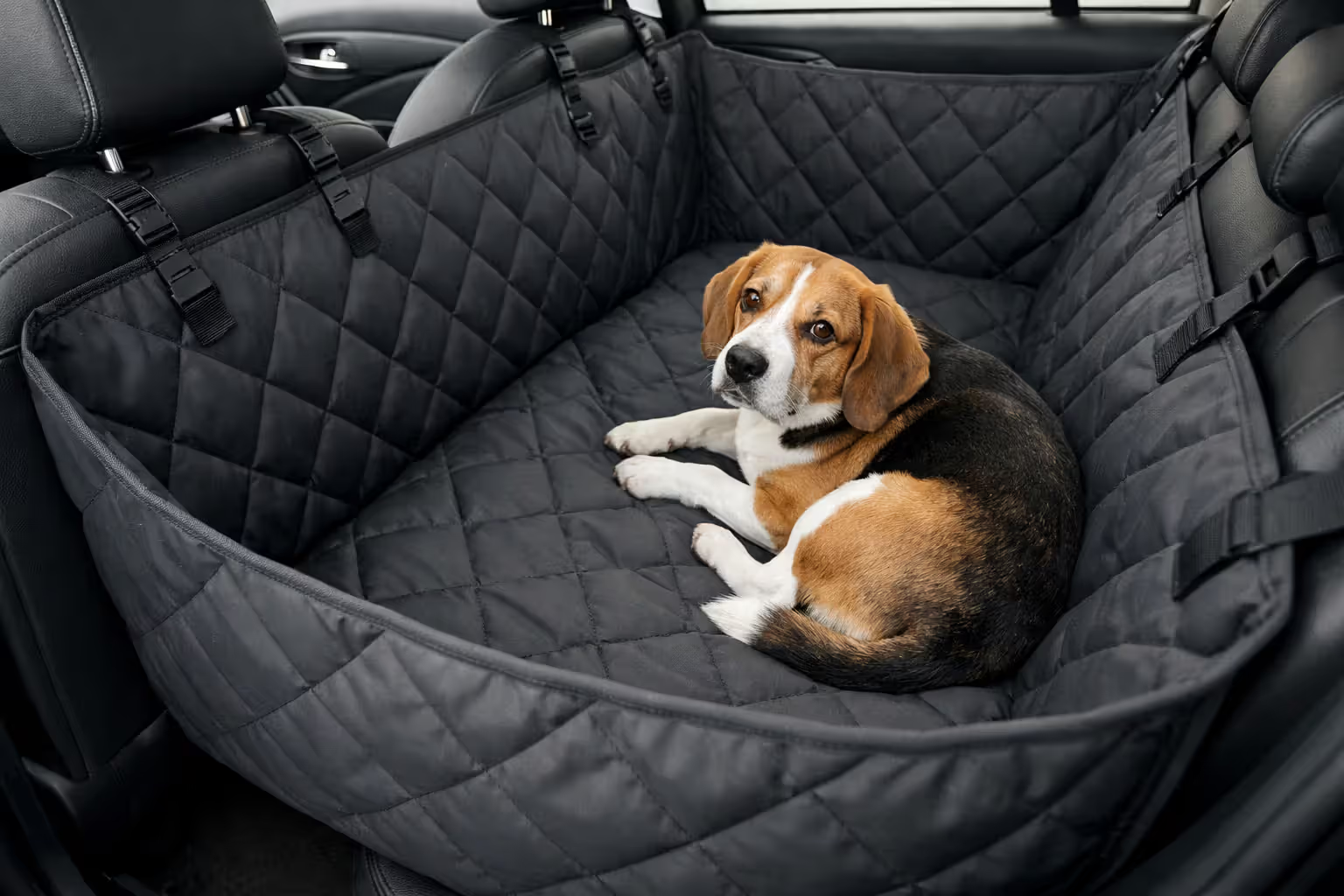
Hammock-style seat covers create a barrier between front and rear seats while protecting the entire rear bench. The "hammock" portion prevents dogs from sliding into the footwell during stops and contains shed fur, dirt, and drool in one washable zone. Quality hammocks use quilted, waterproof fabric with non-slip backing and adjustable straps that hook to headrests—no sliding during turns.
The compromise: hammocks limit rear seat access for human passengers. If you regularly carry both pets and people, look for hammock covers with zip-down center sections that convert to bench-style coverage.
Author: Brianna Lowell;
Source: shafer-motorsports.com
Cargo liners for SUVs and hatchbacks should extend up the back of the rear seats and partway up the side panels—not just cover the floor. Dogs shake, scratch, and press against surfaces. A liner that only protects the floor leaves door panels and seat backs exposed to claw marks and slobber.
Material matters for longevity. Quilted polyester with waterproof backing resists punctures better than vinyl but costs more. Heavy-duty 600-denier fabric withstands large breed wear; 200-denier works for smaller dogs but shows wear within a year of regular use.
Door protectors—often overlooked—prevent scratches when dogs paw at windows or lean against panels. These clear or color-matched shields attach via adhesive or static cling to the interior door surface below windows. They're especially valuable for nervous dogs who scratch during travel.
Installation tip: Clean surfaces with isopropyl alcohol before applying any seat cover or protector. Dust and oils prevent non-slip backings from gripping, causing covers to bunch and slide.
Preparation is the key to success. A well-organized journey with your pet is a safe journey
— Alexander Graham Bell
Organization Accessories That Reduce Travel Stress
The difference between a smooth road trip and a chaotic scramble often comes down to pet travel organization. Digging through a duffel bag for your dog's medication while driving 70 mph on the interstate isn't just inconvenient—it's dangerous.
Dedicated pet travel organizers mount to front seat backs or center consoles, providing compartments for essentials: waste bags, treats, medications, grooming wipes, and a spare leash. The best designs use rigid frames that maintain shape when partially empty and feature waterproof linings for inevitable spills.
Collapsible travel bowls solve the hydration problem without the mess of open water dishes. Silicone bowls compress flat for storage and pop open when needed. Attach a carabiner to hang them from door handles or cargo hooks during stops. Stainless steel bowls are more durable but don't collapse, making them better suited for vehicles with dedicated storage.
For longer trips, a portable water dispenser with a built-in bowl prevents constant stops. These gravity-fed or pump-style containers hold 32-64 ounces and dispense directly into an attached dish. Mount them in cargo areas or footwells where spills won't damage electronics.
Waste management often gets ignored until it becomes urgent. A dedicated trash container with a sealing lid—not just a plastic bag—contains odors and prevents leaks. Place it within reach of the driver so you're not tempted to toss waste bags on the floor "just for now."
Documentation holders might seem excessive until you're pulled over or need emergency vet care in an unfamiliar state. A simple zippered pouch should contain vaccination records, microchip information, your vet's contact details, and any medications with dosage instructions. Keep it in the glove box, not buried in luggage.
How to Test and Install Pet Car Accessories Correctly
A harness still in its packaging provides zero protection. Proper installation and acclimation prevent both safety failures and behavioral problems.
Start harness training at home, not on the highway. Let your dog wear the harness around the house for 10-minute sessions over several days. Reward calm behavior. Once they're comfortable, practice in a parked car with the engine off, then with the engine running, then on a five-minute drive around the block. Rushing this process creates negative associations that make every car ride a struggle.
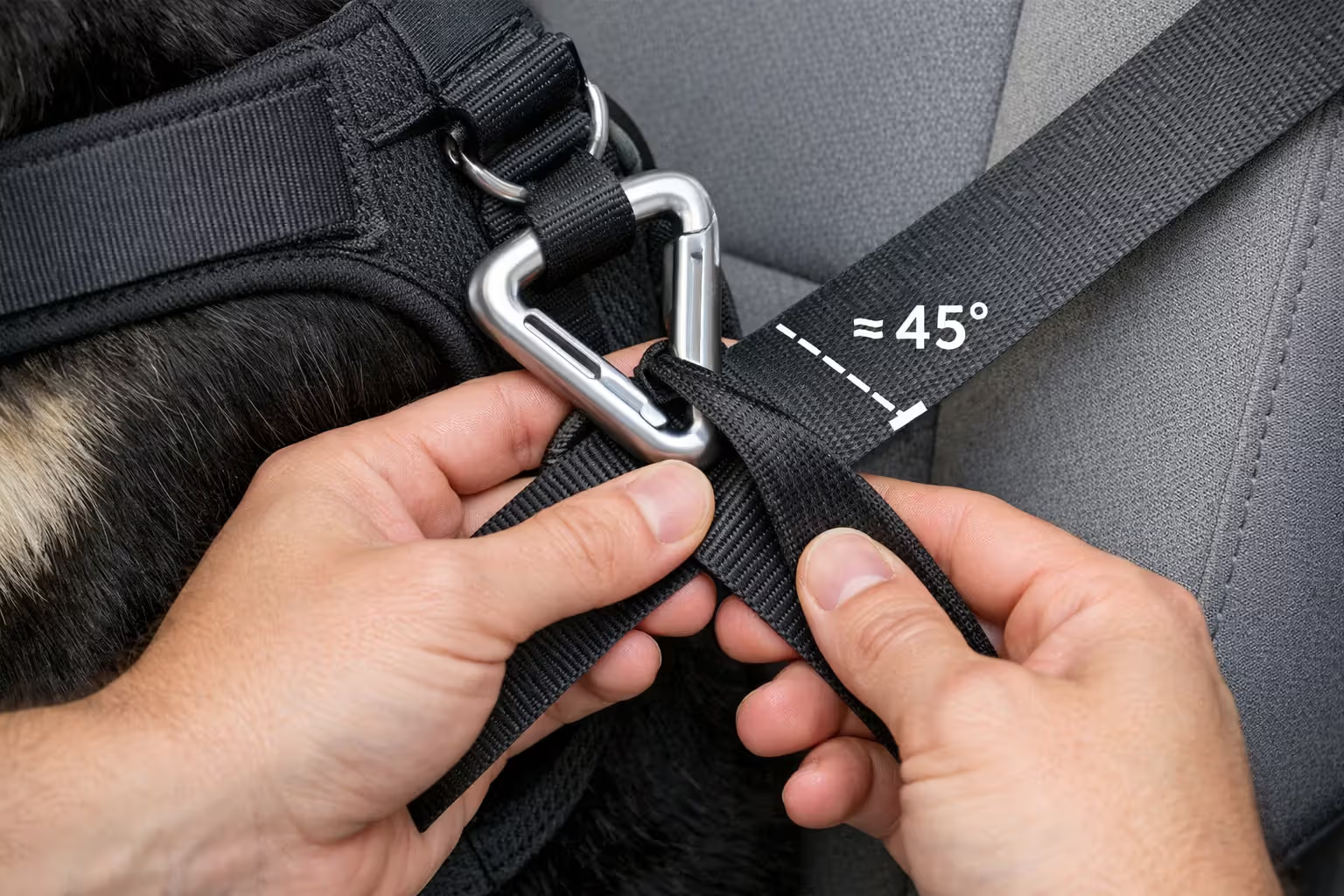
For installation, thread the seatbelt through the harness tether's attachment point before buckling. The tether should cross the seat at roughly a 45-degree angle—not straight up and down, which creates slack. Tug firmly on the harness after connecting everything; if you can pull it more than two inches in any direction, it's too loose.
Common mistake: attaching the tether to the seatbelt's metal tongue instead of routing the belt through the tether's loop. The tongue isn't designed to handle crash forces and can break free.
Author: Brianna Lowell;
Source: shafer-motorsports.com
Carrier installation requires the seatbelt to route through designated slots—usually behind the carrier and through the back panel. Pull the belt snug, then push down on the carrier while buckling. It shouldn't shift more than an inch when you pull on it. For cargo-area crates, use ratchet straps or dedicated mounting hardware to secure them to tie-down points, not just wedge them in place.
Test everything before your first real trip. With your pet secured, have someone outside the vehicle push on the pet's restraint system from different angles. Simulate a sudden stop by braking firmly in an empty parking lot (at low speed). Watch for shifting, slipping, or signs of discomfort.
Acclimation for barriers and crates follows the same gradual approach: introduce the equipment at home, reward calm behavior, and build up to actual travel. A dog who panics in a crate will injure themselves trying to escape, regardless of how strong the crate is.
An ounce of prevention is worth a pound of cure
— Benjamin Franklin
What to Look for When Buying Pet Travel Gear
The pet travel car accessories market is flooded with products that look similar but perform vastly differently. Price alone doesn't indicate quality—some $40 products outperform $150 competitors.
Start with safety certifications. Look for Center for Pet Safety (CPS) certification for harnesses and carriers. This is the only independent crash-test certification that matters in the US. Products claiming to be "crash-tested" without CPS certification may have been tested by the manufacturer using non-standardized methods. NHTSA doesn't test pet products, so claims of "NHTSA standards" are marketing language, not certifications.
Material quality indicators separate functional gear from junk. For harnesses, inspect the stitching: it should be bar-tacked (multiple rows of tight stitching) at all stress points, not just straight-line stitched. Aluminum hardware is mandatory—plastic clips and rings fail under crash loads. The webbing should be at least 1.5 inches wide for dogs over 40 pounds.
For carriers and crates, check wall thickness and door latches. Thin plastic shells (less than 3mm) crack on impact. Doors should have at least two latches, preferably three for large crates. Squeeze the frame—if it flexes noticeably, it won't protect your pet.
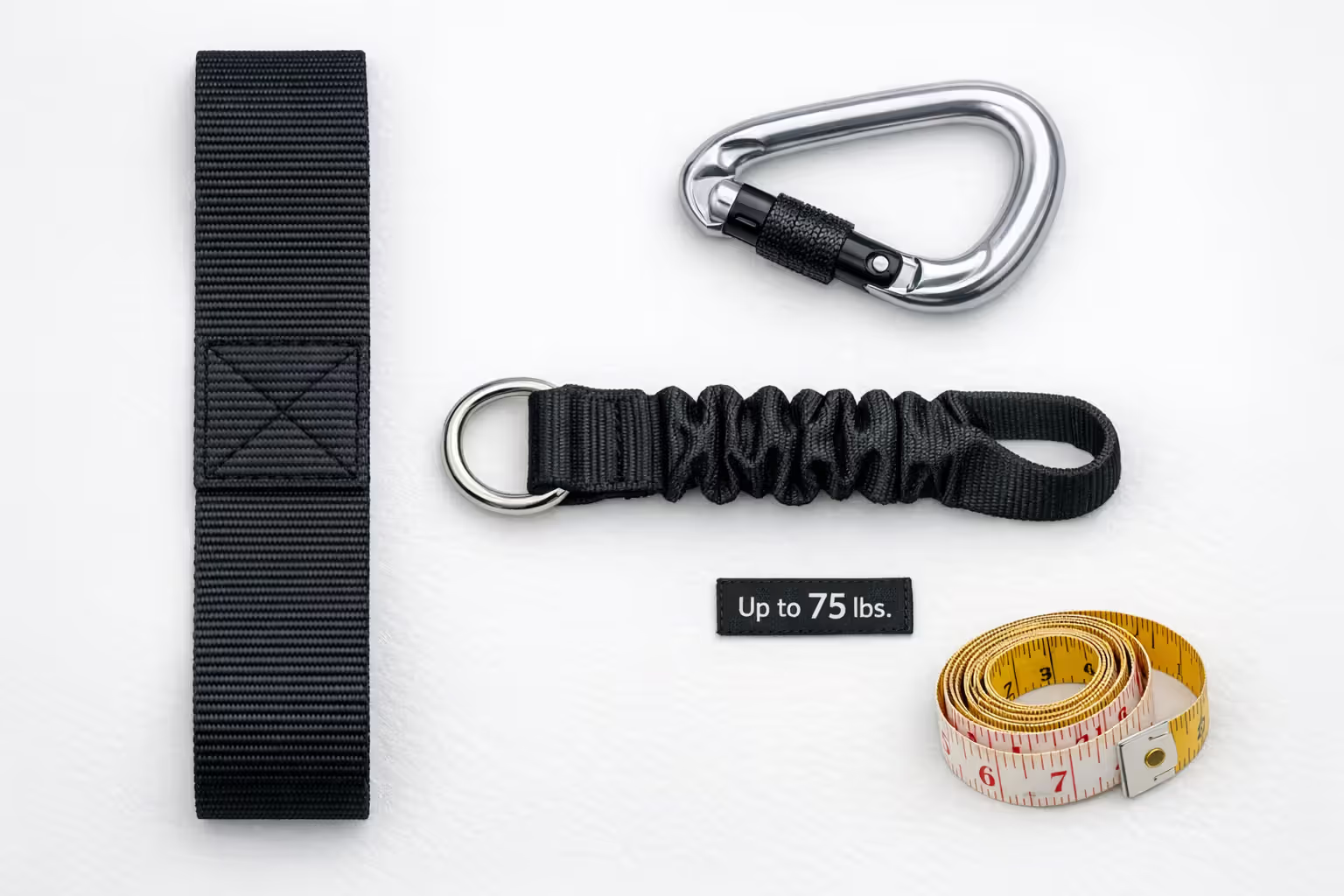
Size compatibility is non-negotiable. Harnesses must fit snugly without restricting breathing or movement. Measure your dog's chest at the widest point and weight, then compare against manufacturer size charts. When in doubt, size up for comfort, but understand that oversized harnesses reduce protection.
Weight ratings matter more than size labels. A harness rated for "large dogs" might specify a 50-pound maximum, which isn't appropriate for a 70-pound retriever even though both are "large" dogs. Always check the actual weight limit.
Author: Brianna Lowell;
Source: shafer-motorsports.com
Return policies provide insurance against fit issues. Reputable manufacturers offer 30-60 day returns with minimal restocking fees because they understand sizing challenges. Be wary of final-sale products unless you're certain about fit.
Price-to-quality balance: Expect to pay $75-150 for a crash-tested harness, $100-300 for a certified crate, and $50-100 for quality seat protection. Products significantly below these ranges usually cut corners on materials or testing. The most expensive option isn't always the best—some premium pricing reflects brand marketing rather than superior performance.
Read reviews, but focus on specific complaints rather than star ratings. Reviews mentioning broken hardware, torn straps, or poor customer service after failure are red flags. Generic praise like "works great!" provides little useful information.
Frequently Asked Questions About Pet Car Safety
Making Every Trip Safer
Pet travel car accessories aren't about pampering—they're about physics. The same forces that make seatbelts mandatory for humans apply to your 40-pound spaniel, just with different engineering requirements.
Start with restraint: a crash-tested harness for dogs over 25 pounds, a secured carrier for smaller pets, or a properly installed crate for cargo-area transport. Add seat protection to preserve your investment in both safety gear and your vehicle. Include organization accessories to reduce the distracted driving that causes accidents in the first place.
The initial investment—$150-400 for quality safety equipment plus $50-150 for protection and organization—prevents thousands in veterinary bills, vehicle repairs, and the immeasurable cost of losing a family member in a preventable accident.
Install equipment correctly, acclimate your pet gradually, and verify everything is secure before each trip. The five minutes spent checking connections could prevent tragedy.
Related Stories
Read more
Read more

The content on Auto Insights is provided for general informational and educational purposes only. It is intended to offer guidance on car buying, vehicle ownership, finance, insurance, EVs, maintenance, accessories, reviews, and related topics, and should not be considered professional financial, legal, insurance, mechanical, or investment advice.
All information, tools, calculators, comparisons, and recommendations presented on this website are for general guidance only. Individual financial situations, driving habits, vehicle conditions, insurance policies, and market factors vary, and actual results or costs may differ from estimates provided.
Auto Insights makes no guarantees regarding accuracy, completeness, or current applicability of the information, as automotive markets, regulations, incentives, interest rates, and vehicle specifications may change over time.