
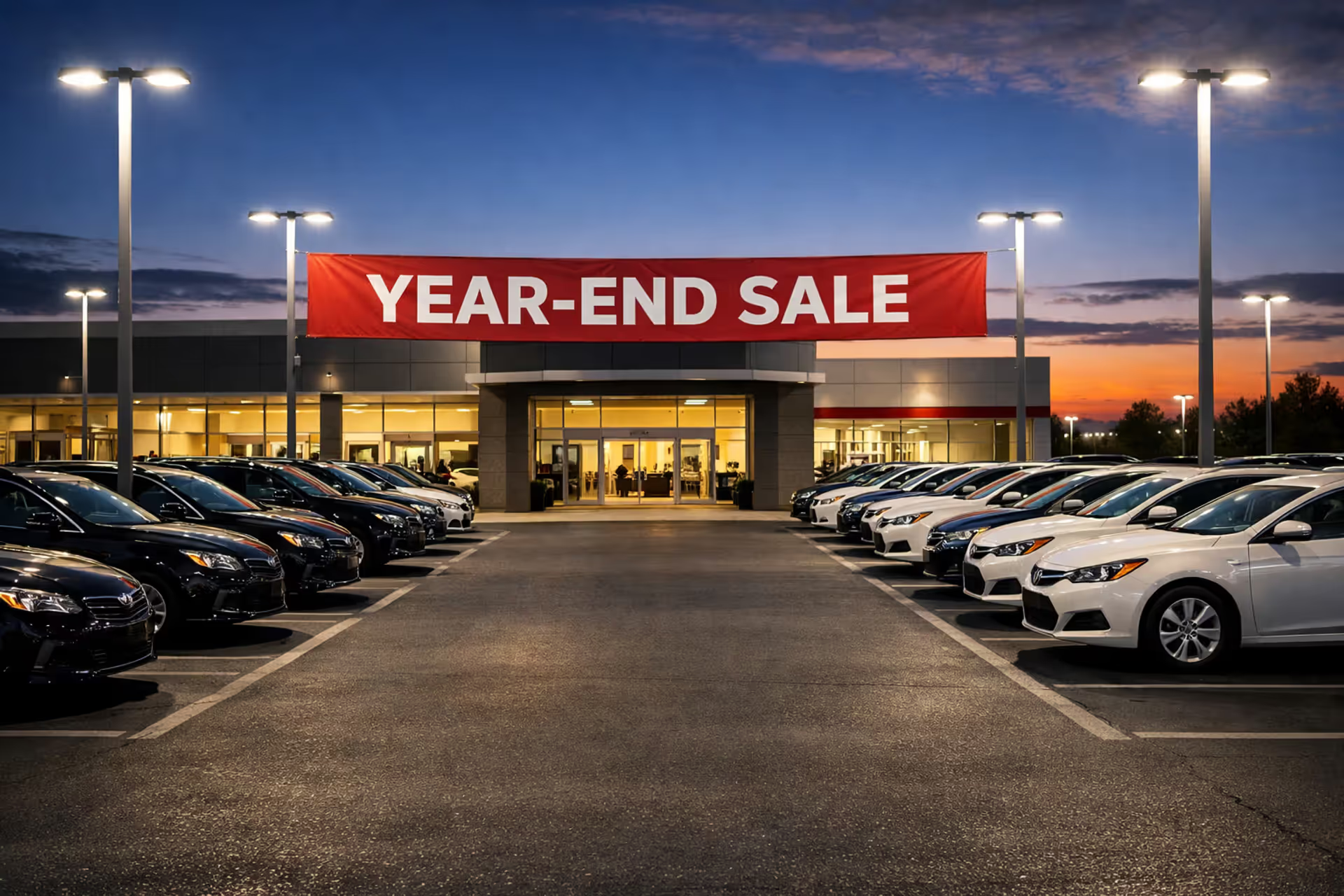
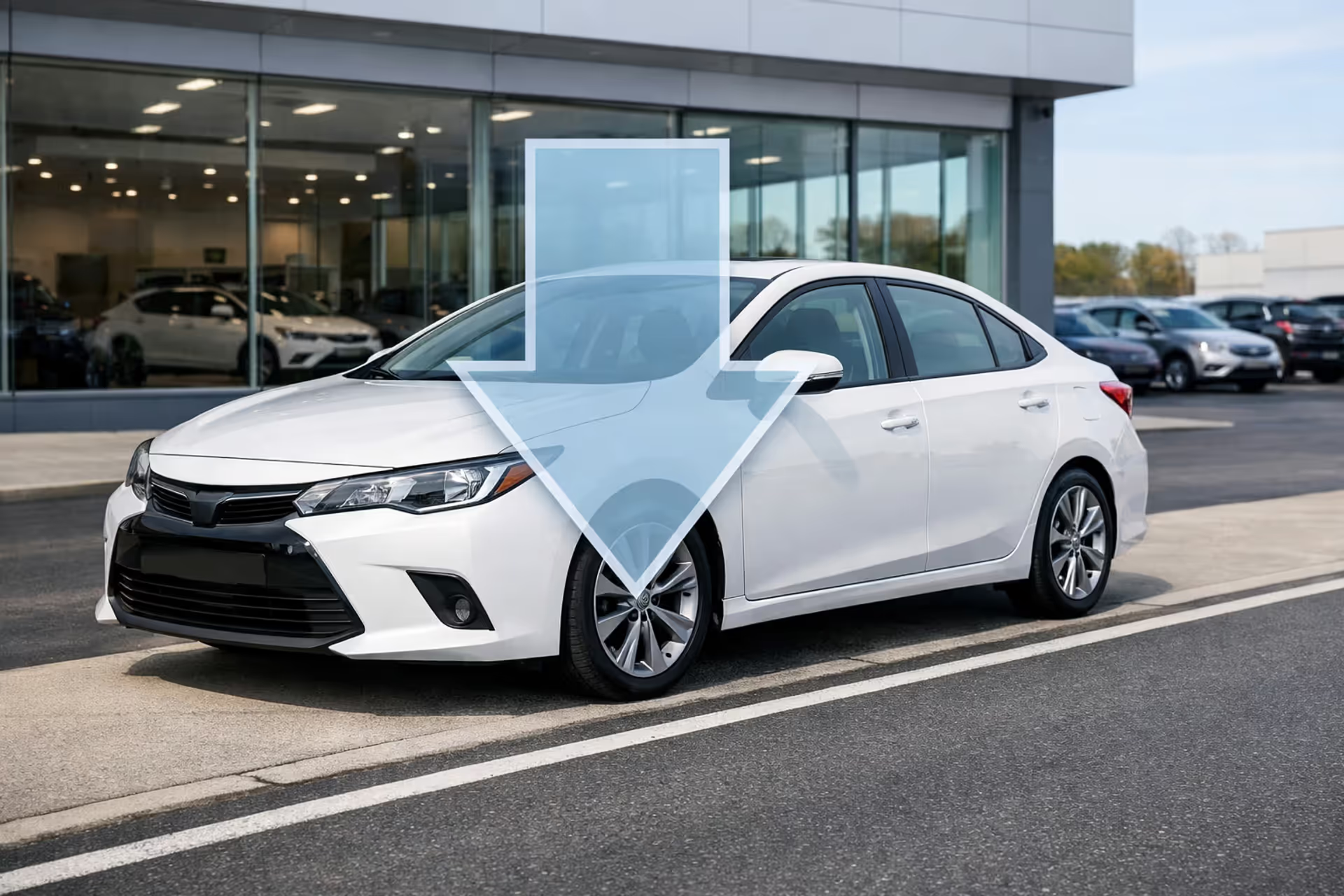
Modern car dealership lot at dusk with rows of new vehicles and year-end sale banner with no customers visible
Best Time to Buy a Car: When Dealerships Offer the Lowest Prices

Walking into a dealership during the wrong week can cost you thousands of dollars. The difference between buying a car in March versus December often exceeds $3,000 on the same vehicle, yet most buyers focus exclusively on negotiation tactics while ignoring the calendar entirely.
Timing isn't about luck—it's about understanding how dealerships operate under quota pressure, when manufacturers release incentives, and how inventory ages on lots. A salesperson facing a monthly shortfall on the 29th has drastically different motivation than one who just hit their target on the 3rd.
The automotive retail calendar follows predictable patterns driven by manufacturer production schedules, financial reporting periods, and consumer demand cycles. Buyers who align their purchase with these rhythms gain leverage before they even start negotiating price.
How Seasonal Pricing Cycles Affect Car Prices
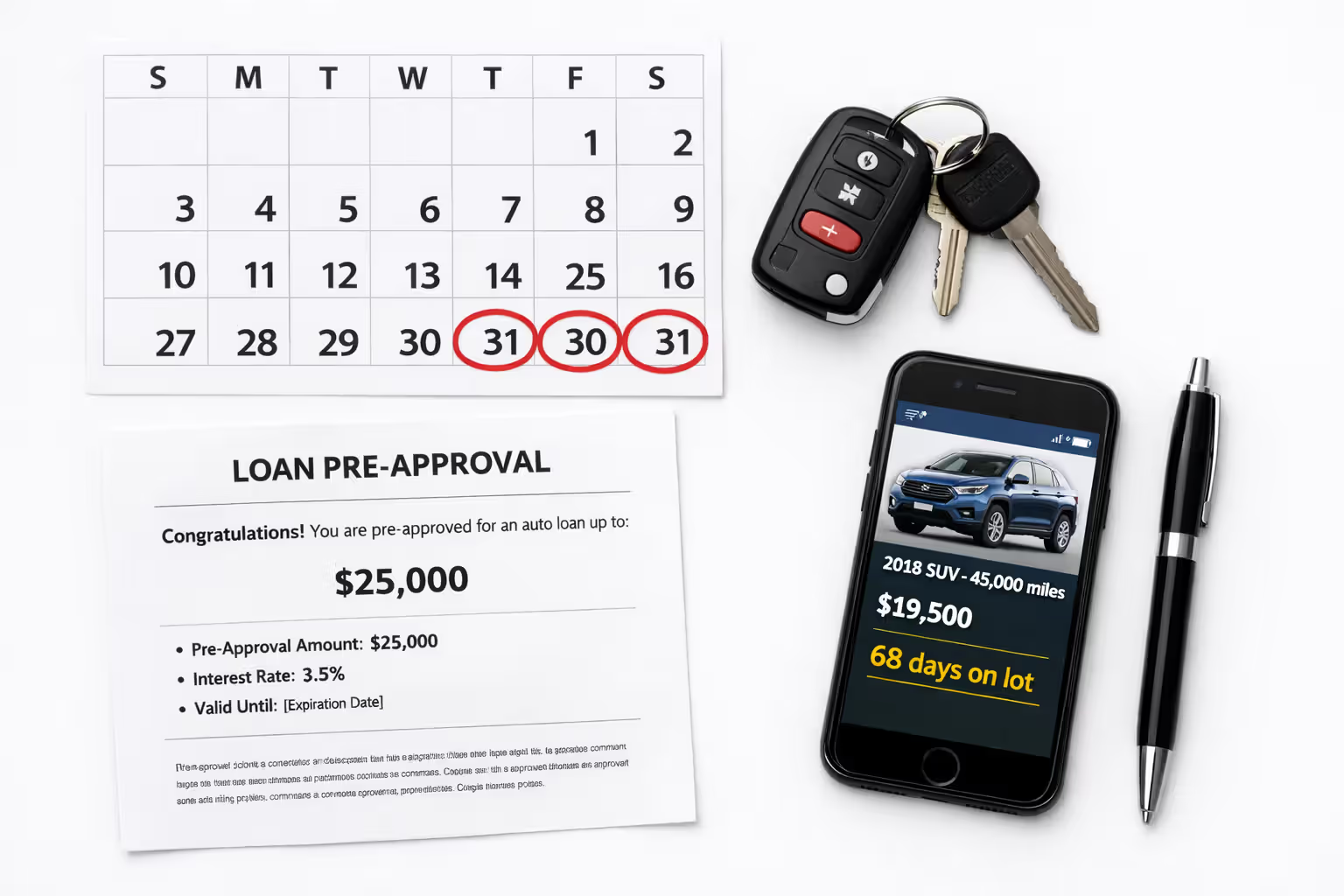
Quarterly sales targets create distinct pricing windows throughout the year. Dealerships operate under a tiered incentive structure where hitting specific volume thresholds unlocks manufacturer bonuses—sometimes worth $75,000 or more for a single quarter. This creates urgency at quarter-end (March 31, June 30, September 30, and December 31) when dealers will discount aggressively to reach the next bonus tier.
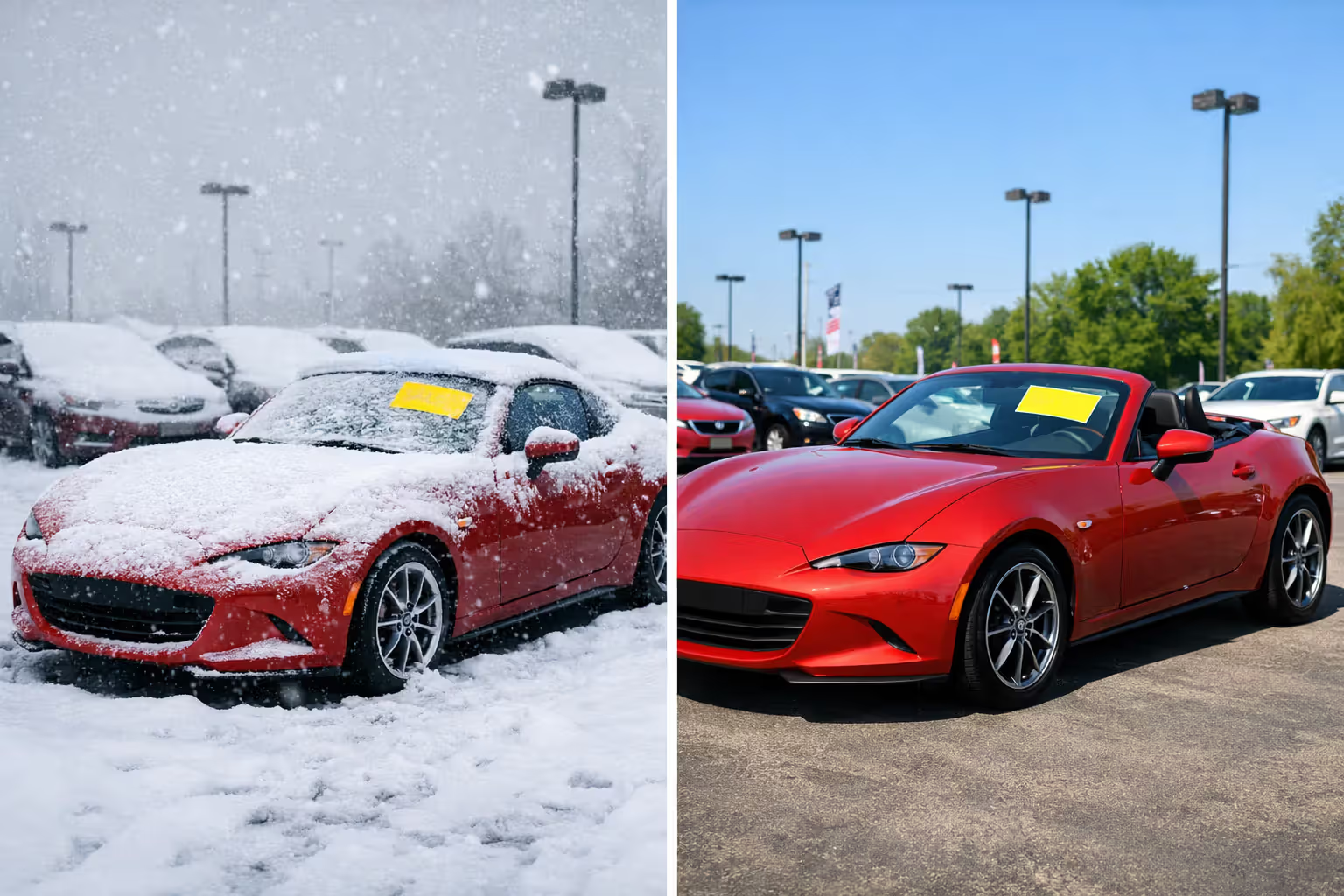
Weather patterns influence inventory strategy more than most buyers realize. Convertibles and sports cars accumulate on lots during winter months in northern states, while four-wheel-drive SUVs sit longer in southern markets. A Mazda MX-5 Miata that arrived in November at a Minnesota dealership represents a carrying cost problem by January—each month of lot time costs the dealer roughly $50-75 in interest on their floor plan financing.
Summer traditionally brings peak demand as families shop before school starts and tax refunds get spent. Dealers stock up in May and June, which means less negotiating flexibility. Conversely, January and February see the slowest showroom traffic of the year. A salesperson who spoke with three customers all week becomes highly motivated when the fourth walks in.
The seasonal pricing cycles cars follow also reflect new model introductions. Most manufacturers launch redesigned models in spring or fall, creating clearance pressure on outgoing versions. When the 2025 model arrives in September, the remaining 2024 inventory immediately becomes less desirable—even though it's functionally identical to the car that was "new" a month earlier.
Regional variations matter significantly. Arizona dealerships see increased truck inventory in winter when snowbirds arrive, while Florida dealers stock convertibles year-round. Understanding your local market timing provides additional leverage beyond national trends.
Author: Brianna Lowell;
Source: shafer-motorsports.com
End-of-Month vs. End-of-Year: Which Timing Saves You More?
Monthly quotas create consistent pressure points, but year-end combines multiple motivating factors simultaneously. Dealerships face monthly sales targets, quarterly manufacturer bonuses, and annual volume goals all converging in December. Add in tax considerations and inventory carrying costs, and you have maximum negotiating leverage.
The typical month-end savings ranges from $500-1,200 compared to shopping during the first week. Dealers track their numbers daily, and managers can calculate exactly how many units they need to hit the next bonus level. If they're two cars short on the 28th, those final deals get heavily discounted.
However, monthly sales trends show diminishing returns on popular models. If a dealer has already exceeded their monthly target by the 20th, the urgency disappears. The strategy works best on slower-selling inventory where the dealer needs to move units regardless of profit margin.
Why December Is the Sweet Spot for New Car Buyers
December combines year-end clearance urgency with manufacturer incentives that often exceed any other month. Automakers want to report strong annual sales figures to investors, so they subsidize dealer discounts through rebates, low-interest financing, and dealer cash (hidden incentives not advertised to consumers).
The week between Christmas and New Year's represents the absolute peak for buyer leverage. Dealerships are typically slow, salespeople have already spent their holiday bonuses mentally, and managers know exactly what they need to hit annual targets. One dealer manager admitted that he approved deals during this period that he would have rejected in October—the year-end numbers mattered more than individual transaction profit.
End of year car pricing also benefits from model year clearance. By December, you're buying a car that will be considered one year older in just weeks, which accelerates depreciation. Dealers know this and price accordingly. The trade-off: you get a brand-new car with full warranty at a significant discount, but it loses an extra year of value immediately.
Tax considerations create additional motivation for dealers. Many want to reduce inventory for year-end accounting purposes, and sales staff may have annual quotas tied to bonuses. A salesperson $10,000 short of a $15,000 annual bonus becomes extremely flexible on commission.
The goal is not to buy cheap. The goal is to buy smart — at the right time, for the right price, with the right information
— Warren Buffett
Month-End Tactics That Work for Negotiation
Timing your visit for the final three days of any month increases your leverage, but only if you're genuinely ready to buy. Dealers quickly identify "tire kickers" and won't offer aggressive pricing to someone who's "just looking."
Arrive with financing pre-approved, know exactly which vehicle you want (including VIN if possible), and communicate that you're buying this week. This signals serious intent and forces the salesperson to present their best offer rather than playing negotiation games.
Check the dealer's inventory age before visiting. If your target vehicle has been on the lot for 60+ days and month-end is approaching, you've maximized your timing advantage. Combine this with a less popular color or trim level, and dealers become highly motivated.
Avoid the first weekend of the month entirely. Salespeople just reset their monthly quotas and have zero urgency. The same dealer who would have negotiated aggressively on the 30th becomes inflexible on the 3rd.

Author: Brianna Lowell;
Source: shafer-motorsports.com
Dealership Inventory Timing: When Old Models Become Bargains
New model years typically arrive between August and October, creating a clearance window on outgoing inventory. A 2024 model sitting on the lot in November is costing the dealer money daily while becoming less desirable to buyers who want the "latest" version.
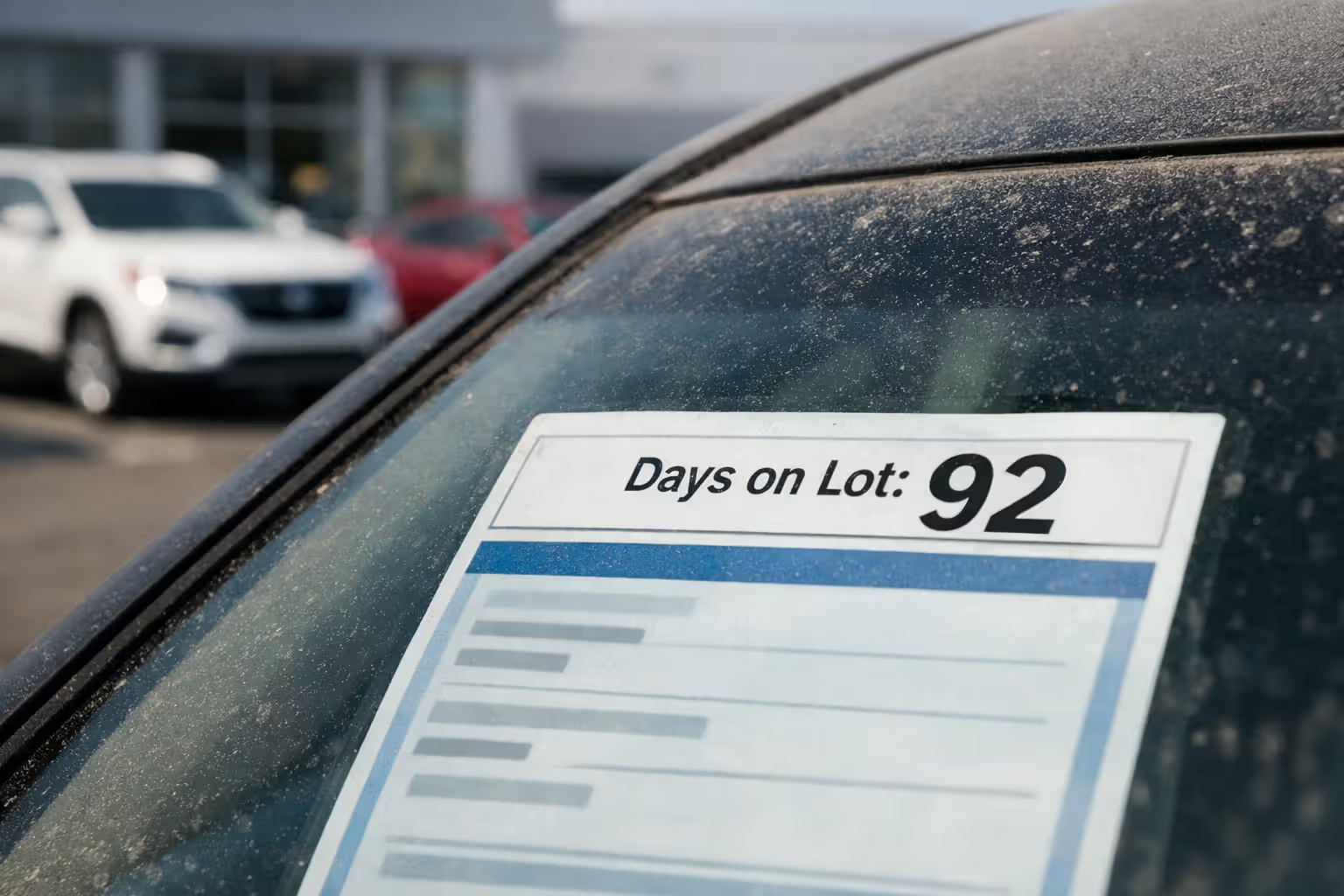
Floor plan financing—the loan dealers use to purchase inventory from manufacturers—accrues interest daily. After 60 days, a vehicle starts significantly eating into profit margins. After 90 days, dealers often sell at or below invoice just to stop the bleeding. You can identify aging inventory by checking online listings for "days on lot" or asking the salesperson directly how long the vehicle has been there.
Manufacturers sometimes offer "stair-step" incentives where dealers get increasingly larger bonuses for hitting volume targets. A dealer might receive $500 per vehicle for selling 50 units monthly, but $1,000 per vehicle for hitting 55 units. This creates situations where dealers will lose money on individual transactions to capture the larger overall bonus.
Model changeovers create the biggest opportunities. When a vehicle receives a significant redesign, the outgoing version becomes difficult to sell even at steep discounts—buyers want the new styling and features. However, if you don't care about having the latest design, you can save $5,000-8,000 on a functionally equivalent vehicle.
Dealers also face allocation challenges. If a manufacturer ships them six red trucks but market demand favors white, those red trucks age on the lot. Color, trim level, and option package mismatches between dealer inventory and local demand create negotiating opportunities.
Author: Brianna Lowell;
Source: shafer-motorsports.com
Day of the Week and Time of Day Strategies
Saturday is the worst day to negotiate. Showrooms are packed, salespeople are busy, and managers have no urgency to discount—they'll simply move to the next customer. Conversely, Tuesday and Wednesday mornings are typically dead, making salespeople much more motivated to work a deal.
Arriving 90 minutes before closing on a weekday creates interesting dynamics. If the salesperson hasn't sold anything that day, they're motivated to make something happen. However, this strategy backfires if they've already had a good day—they'd rather go home than grind through negotiations for a marginal deal.
Rainy days statistically see lower showroom traffic, which improves your leverage. One sales manager mentioned that they track weather forecasts and know that precipitation reduces walk-in traffic by roughly 40%. A buyer who shows up during a thunderstorm gets more attention and better pricing.
The buying timing strategy that most overlook: visit the same dealership twice. Go on a busy Saturday to identify your target vehicle and get initial pricing, then return on a slow Tuesday to negotiate seriously. You've done your research, you know what you want, and you're arriving when the salesperson is hungry for activity.
Avoid holiday weekends despite the advertising blitz. Memorial Day, Labor Day, and Fourth of July sales events attract crowds, which reduces your negotiating leverage. The "special pricing" advertised is often available any other time with proper negotiation.

Author: Brianna Lowell;
Source: shafer-motorsports.com
Used Car Market Timing: Different Rules Apply
Used car inventory follows different patterns than new vehicles. Lease returns spike every three years following lease signing trends, creating periodic inventory surges. The 2021 model year saw heavy lease activity, meaning 2024 will see increased three-year-old lease returns flooding the market.
Tax refund season (February through April) brings increased demand for used vehicles as buyers have cash for down payments. Prices rise during this period, making it a poor time to buy. Conversely, late fall sees decreased used car demand and better pricing.
Trade-in volume peaks in spring and early summer when people buy new vehicles, which increases used inventory at dealerships. More inventory means more competition between dealers and better pricing for buyers. A dealer with 15 similar used trucks becomes more flexible than one with only three.
Depreciation curves create sweet spots around the three-year and five-year marks. Vehicles lose roughly 40% of value in the first three years, then depreciation slows significantly. A three-year-old vehicle offers the best balance of remaining useful life versus price reduction.
Certified pre-owned programs often see increased manufacturer incentives during slow sales periods. These incentives (reduced interest rates, extended warranties) aren't advertised but are available if you ask. December and January typically offer the best CPO incentive packages.
Off-lease luxury vehicles represent exceptional value because luxury car depreciation is steeper than mainstream brands. A three-year-old BMW or Mercedes has lost 50-60% of its original value but still offers years of reliable service with remaining warranty coverage.
Price is what you pay. Value is what you get. And timing determines both
— Benjamin Graham
7 Costly Mistakes That Kill Your Timing Advantage
Shopping only on weekends. You're competing with every other buyer who has the same schedule. Dealerships are busy, salespeople are less motivated to negotiate, and you lose the leverage that comes from being the only customer in the showroom.
Ignoring inventory age. A vehicle that arrived yesterday has no urgency attached. One that's been sitting for 90 days represents a problem the dealer wants solved. Always check how long your target vehicle has been in stock before negotiating.
Buying during peak demand seasons. Shopping for a convertible in May or a four-wheel-drive SUV in October means competing against maximum demand. Reverse the pattern—buy summer vehicles in winter and winter vehicles in summer.
Failing to track manufacturer incentive calendars. Incentives change monthly, and some months offer dramatically better programs than others. Websites like Edmunds and CarsDirect publish current incentive information. Buying one week before a major incentive launches costs you thousands.
Not understanding the difference between dealer cash and customer rebates. Dealer cash is hidden money from the manufacturer to the dealer—you need to negotiate for your share. Customer rebates go directly to you. Dealers prefer advertising customer rebates because it costs them nothing while making their pricing appear competitive.
Shopping for last year's model too early. The best deals on 2024 models come in November and December 2024, not in August when the 2025s arrive. Early in the clearance cycle, dealers still hope to get near full price. After three months of sitting, urgency increases dramatically.
Believing advertised "sales events" offer the best pricing. Marketing-driven sales events attract crowds, which reduces your leverage. The actual best pricing comes during slow periods when you're the only buyer in the showroom and the dealer needs to hit quotas.
Author: Brianna Lowell;
Source: shafer-motorsports.com
Best and Worst Months to Buy a Car: Average Savings Comparison
| Month | New Car Avg. Discount (%) | Used Car Market Condition | Key Factors |
| January | 6.5% | Good | Low demand, reduced incentives, inventory clearance continues |
| February | 5.8% | Excellent | Slowest sales month, dealers need cash flow, tax refund buyers haven't arrived yet |
| March | 6.2% | Good | Quarter-end pressure, but spring demand increasing |
| April | 4.1% | Fair | Tax refund season increases used car demand and prices |
| May | 3.8% | Fair | Peak spring buying season, reduced leverage |
| June | 4.9% | Good | Quarter-end creates urgency, summer inventory arriving |
| July | 4.2% | Fair | Summer demand remains strong, limited negotiating room |
| August | 5.5% | Good | New model years arriving, clearance beginning on outgoing inventory |
| September | 7.1% | Good | Quarter-end plus model year clearance, strong incentives |
| October | 6.8% | Good | Model year clearance continues, outgoing inventory aging |
| November | 7.9% | Excellent | Year-end urgency building, holiday incentives launching |
| December | 9.2% | Excellent | Maximum leverage: year-end clearance, annual quotas, manufacturer incentives peak |
Discount percentages represent average savings off MSRP based on industry data from Edmunds, TrueCar, and Cox Automotive. Individual results vary by vehicle popularity, local market conditions, and negotiation skill.
FAQ: Car Buying Timing Questions Answered
Conclusion
The car market timing advantage comes from understanding dealer motivation rather than memorizing specific dates. A vehicle that's been sitting for 90 days creates urgency regardless of the month. A dealer two units short of a quarterly bonus becomes flexible on the 30th whether it's March or September.
Focus on combining multiple timing factors: month-end or quarter-end pressure, aging inventory, off-peak demand seasons, and slow showroom days. A buyer shopping for a 75-day-old vehicle on the last Tuesday of December has stacked virtually every advantage in their favor.
The best time to buy a car isn't a single date on the calendar—it's when your timing aligns with dealer needs. Research inventory age, understand current incentive programs, and visit during slow periods when your business matters most. The buyer who walks in ready to purchase during a quiet Tuesday morning with a pre-approved loan and knowledge of inventory age will always negotiate better pricing than someone shopping on a busy Saturday afternoon regardless of the month.
Track your target vehicle's inventory age online, monitor manufacturer incentive announcements, and be patient enough to wait for the right combination of factors. The difference between impulsive timing and strategic timing regularly exceeds $3,000—money that stays in your pocket simply by understanding when dealers are most motivated to make deals happen.
Related Stories
Read more
Read more


The content on Auto Insights is provided for general informational and educational purposes only. It is intended to offer guidance on car buying, vehicle ownership, finance, insurance, EVs, maintenance, accessories, reviews, and related topics, and should not be considered professional financial, legal, insurance, mechanical, or investment advice.
All information, tools, calculators, comparisons, and recommendations presented on this website are for general guidance only. Individual financial situations, driving habits, vehicle conditions, insurance policies, and market factors vary, and actual results or costs may differ from estimates provided.
Auto Insights makes no guarantees regarding accuracy, completeness, or current applicability of the information, as automotive markets, regulations, incentives, interest rates, and vehicle specifications may change over time.