
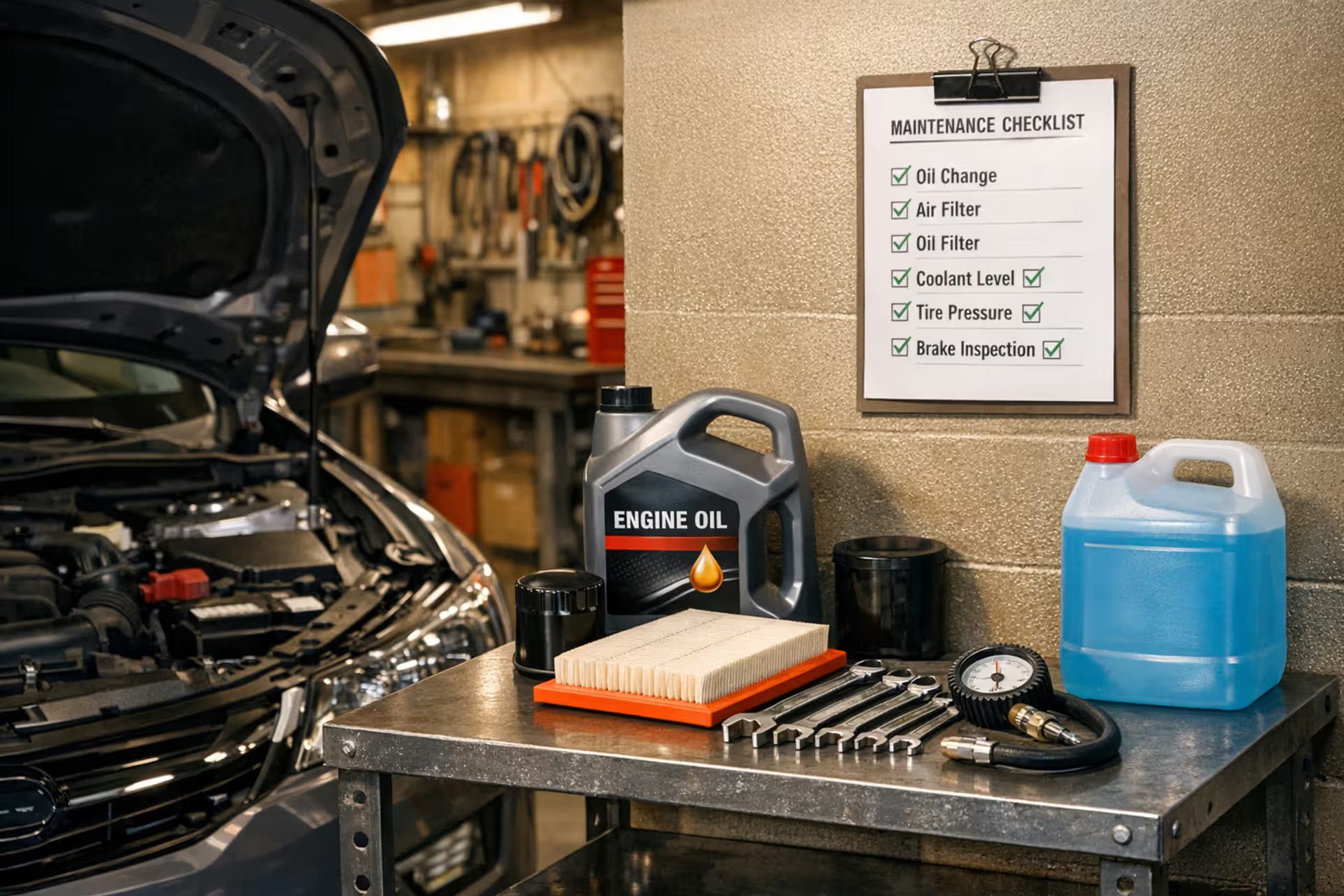
Preventive maintenance checklist setup with open car hood tools oil filter and inspection checklist in a clean garage
Preventive Maintenance Checklist: Your Complete Guide to Vehicle Reliability
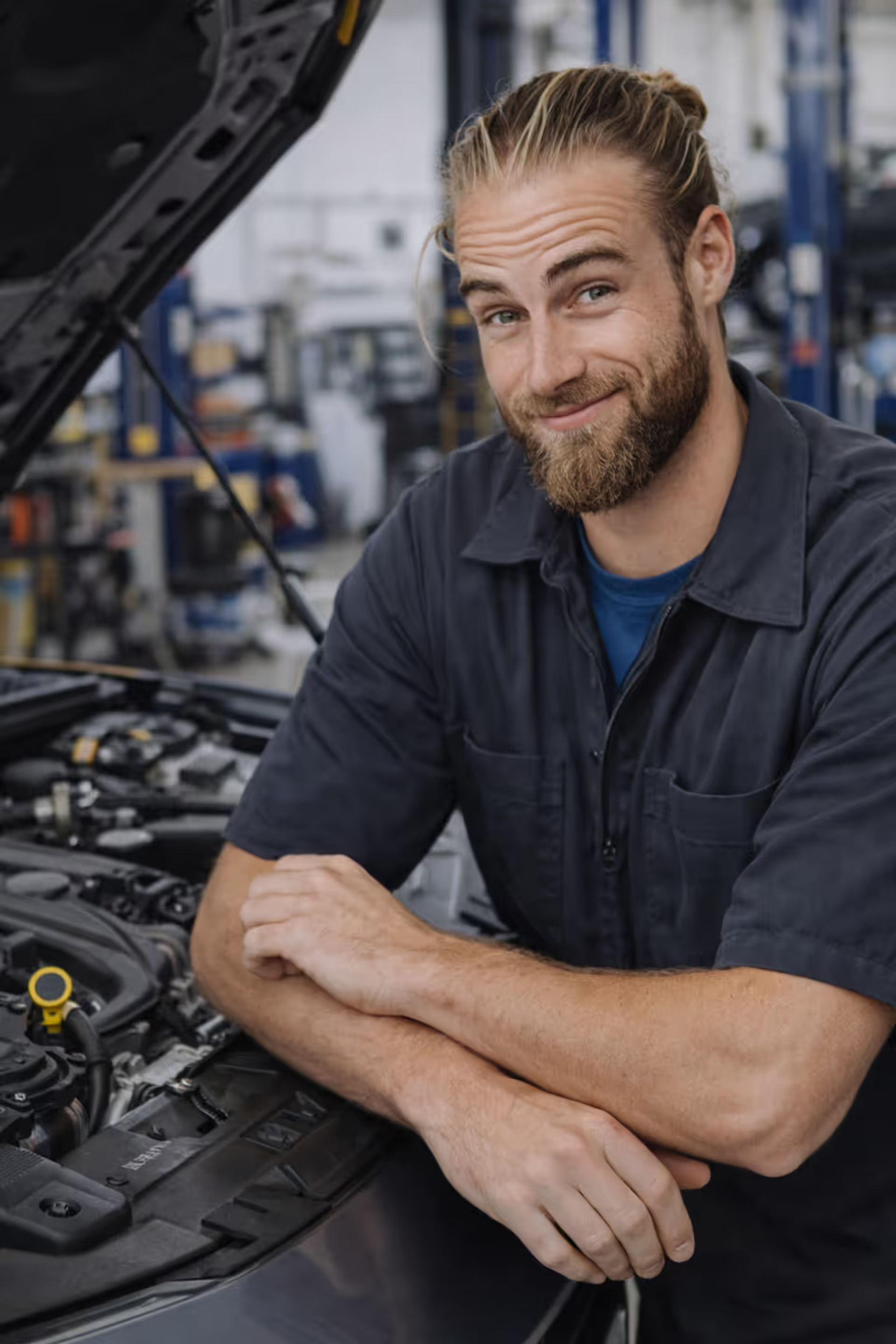
A preventive maintenance checklist transforms vehicle ownership from reactive panic to proactive planning. Instead of waiting for warning lights or strange noises, systematic maintenance catches problems early, saves thousands in repairs, and extends your vehicle's useful life by years.
Most drivers treat their vehicles like appliances—use until broken, then fix. This approach guarantees higher costs, unexpected breakdowns, and premature replacement. A structured maintenance approach flips this equation entirely.
Why Preventive Maintenance Beats Reactive Repairs Every Time
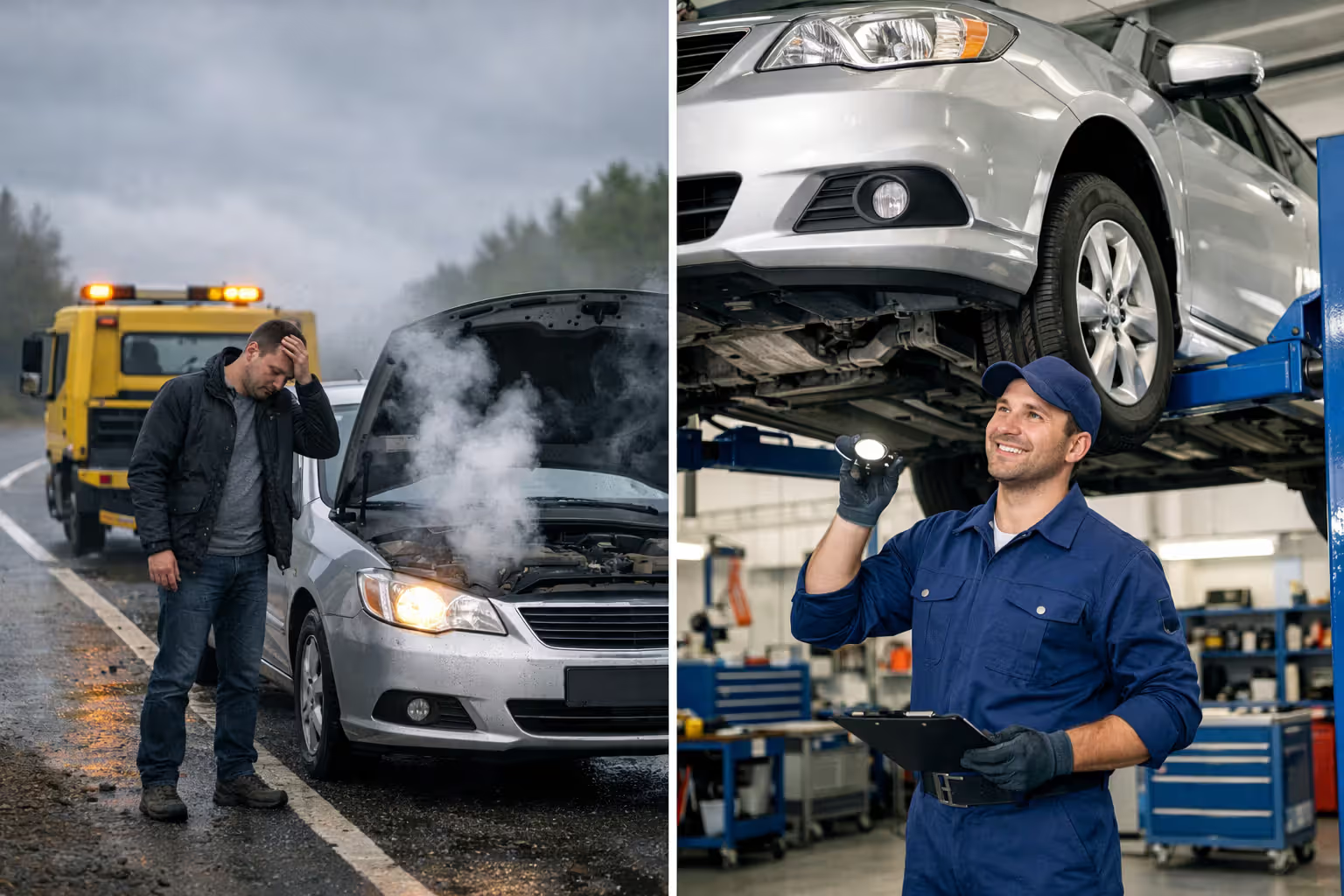
The numbers tell a compelling story. AAA reports that unexpected vehicle breakdowns cost American drivers an average of $1,200 per incident when accounting for towing, emergency repairs, missed work, and rental cars. Meanwhile, following a comprehensive maintenance schedule typically costs $500–800 annually for most vehicles.
Maintenance risk prevention works because automotive systems degrade predictably. Engine oil breaks down after specific mileage. Brake pads wear at measurable rates. Coolant loses effectiveness over time. Catching these changes during scheduled inspections prevents cascade failures—where one neglected component damages others.
Consider a timing belt failure. The belt itself costs $80–150. Replacement labor during scheduled maintenance runs $300–500. But if that belt snaps while driving, bent valves and piston damage can require $2,500–4,000 in engine repairs. Same part, vastly different outcome.
Safety improvements matter equally. The National Highway Traffic Safety Administration links 11% of vehicle crashes to maintenance-related factors. Worn tires reduce stopping distance. Old brake fluid absorbs moisture and loses effectiveness. Failed suspension components affect handling. These failures rarely announce themselves before becoming dangerous.
I've rebuilt engines that would still be running fine if someone had spent $40 on an oil change. People think they're saving money by skipping maintenance, but they're just choosing when and how much they'll spend. Planned maintenance is always cheaper than emergency repairs.
— Michael Rodriguez, ASE Master Certified Technician
Reliability improvement maintenance also preserves resale value. Vehicles with documented service records command 10–15% higher prices than identical models with incomplete histories. Buyers pay premiums for proof that someone cared for the vehicle systematically.
Building Your Routine Inspection Checklist by Mileage and Time
Effective maintenance planning requires both calendar-based and mileage-based triggers. A vehicle driven 20,000 miles annually needs different attention than one driven 5,000 miles, yet both need time-based services for components that degrade regardless of use.
Author: Derek Fulton;
Source: shafer-motorsports.com
Daily and Weekly Quick Checks
These 5-minute walkarounds catch problems before they strand you:
Daily (before starting): Check for fluid puddles under the vehicle. Fresh spots indicate active leaks requiring immediate attention. Look for low or flat tires—even slow leaks compromise handling and fuel economy.
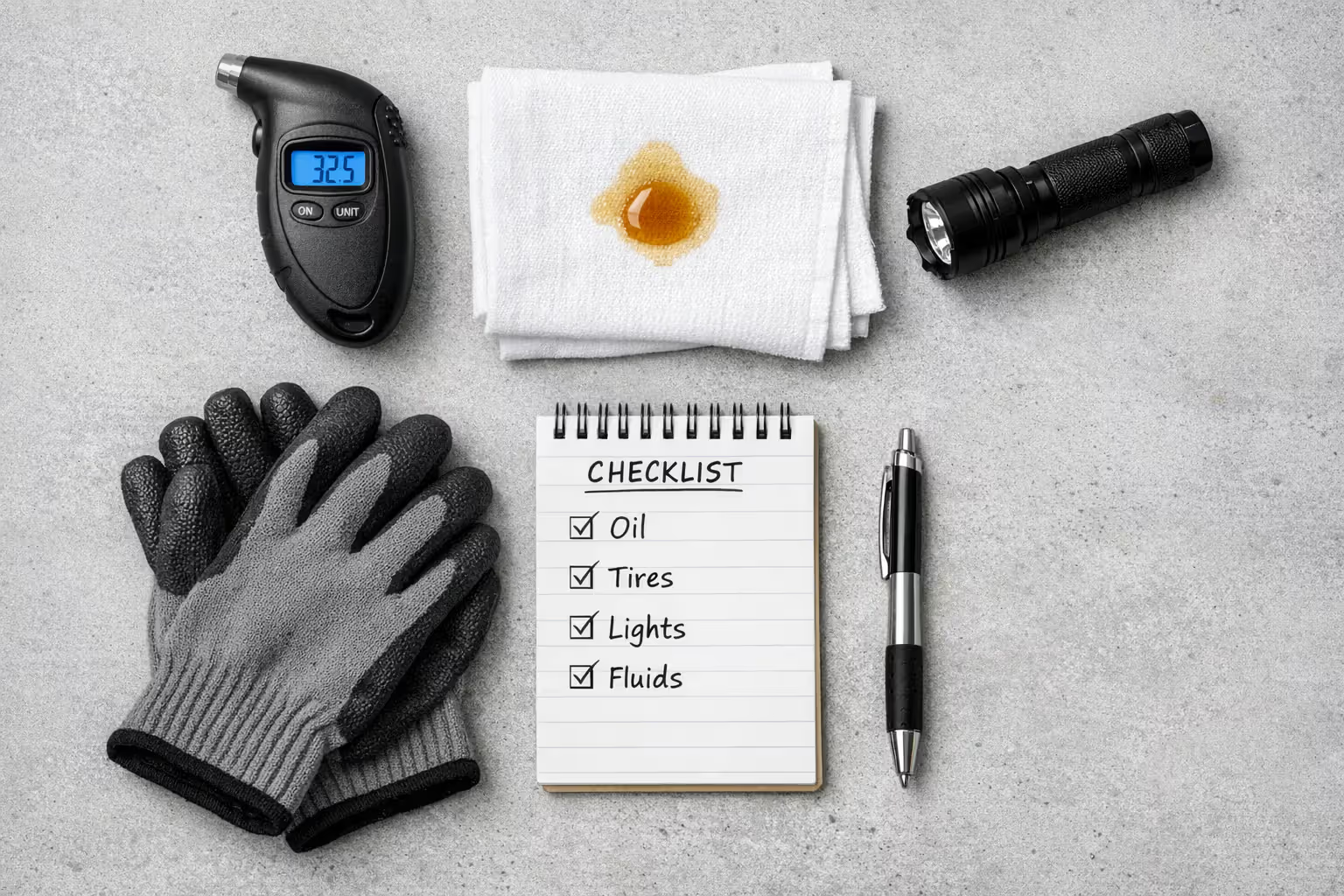
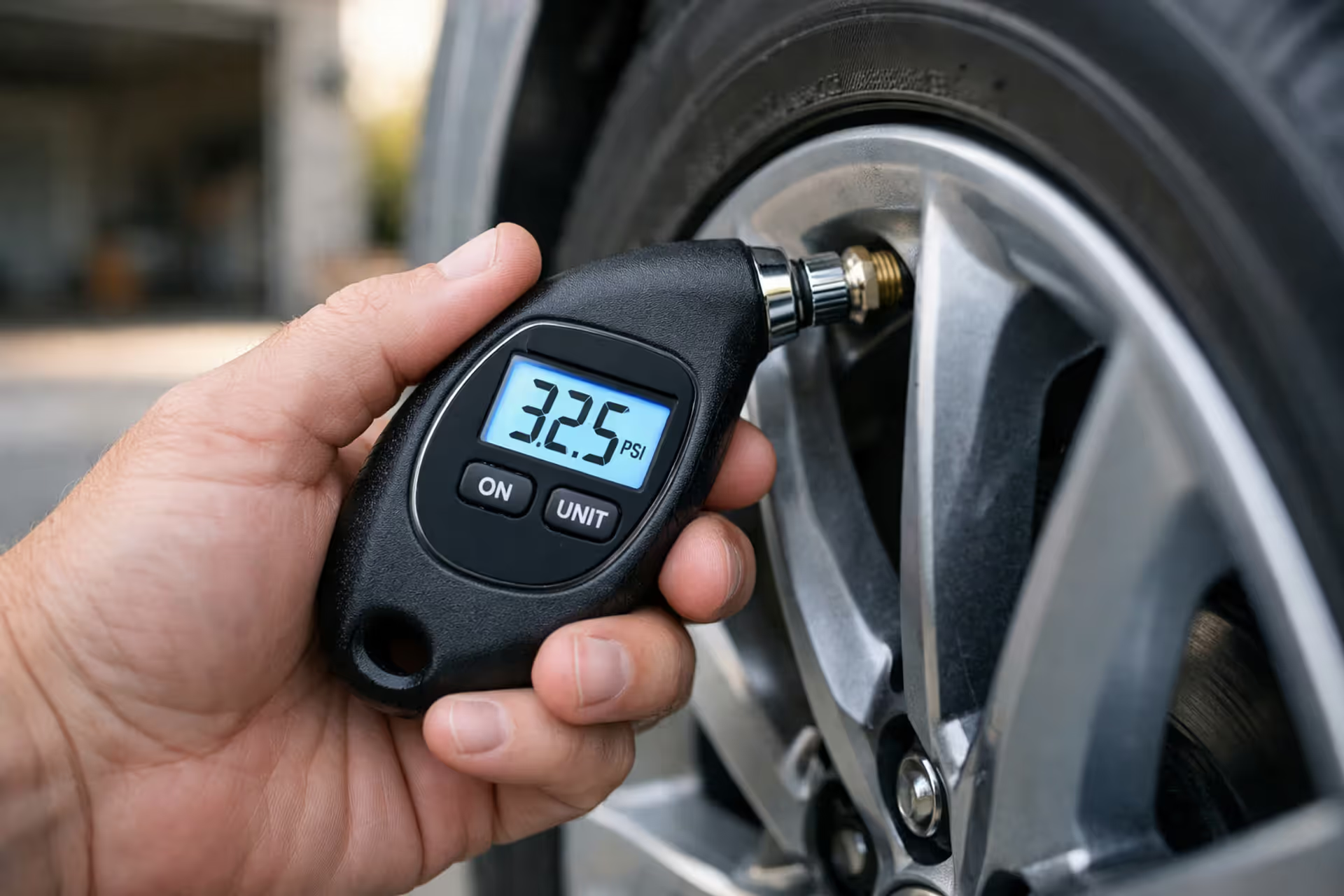
Weekly: Check oil level using the dipstick. Low oil between changes signals consumption issues. Inspect tire pressure with a gauge; underinflation by just 5 PSI increases tire wear by 25%. Verify all lights function—headlights, brake lights, turn signals. Test windshield washer fluid level and wiper condition.
These quick checks take minimal time but catch the most common roadside breakdown causes: flat tires, dead batteries, and fluid leaks.
Monthly Inspection Points
Set a calendar reminder for these detailed checks:
Author: Derek Fulton;
Source: shafer-motorsports.com
Fluids: Examine coolant level in the overflow tank (never open a hot radiator). Check brake fluid level—gradual decline suggests pad wear. Inspect power steering fluid if equipped. Look at transmission fluid color; dark brown or burnt smell indicates problems.
Belts and hoses: Squeeze accessible hoses; they should feel firm, not squishy or hard. Look for cracks, bulges, or soft spots. Inspect visible belts for fraying, cracks, or glazing. A failing serpentine belt can disable alternator, water pump, and power steering simultaneously.
Battery: Clean corrosion from terminals using a wire brush and baking soda solution. Check that connections are tight. Most auto parts stores test batteries free—do this twice yearly.
Brakes: Listen for squealing or grinding. Feel for vibration or pulling during stops. Measure remaining pad thickness through wheel spokes if visible.
Quarterly and Annual Deep-Dive Items
Every 3 months or 3,000–5,000 miles: - Rotate tires to equalize wear patterns - Inspect suspension components for worn bushings or leaking shocks - Check air filter condition (replace if dirty) - Lubricate door hinges, hood latch, and locks
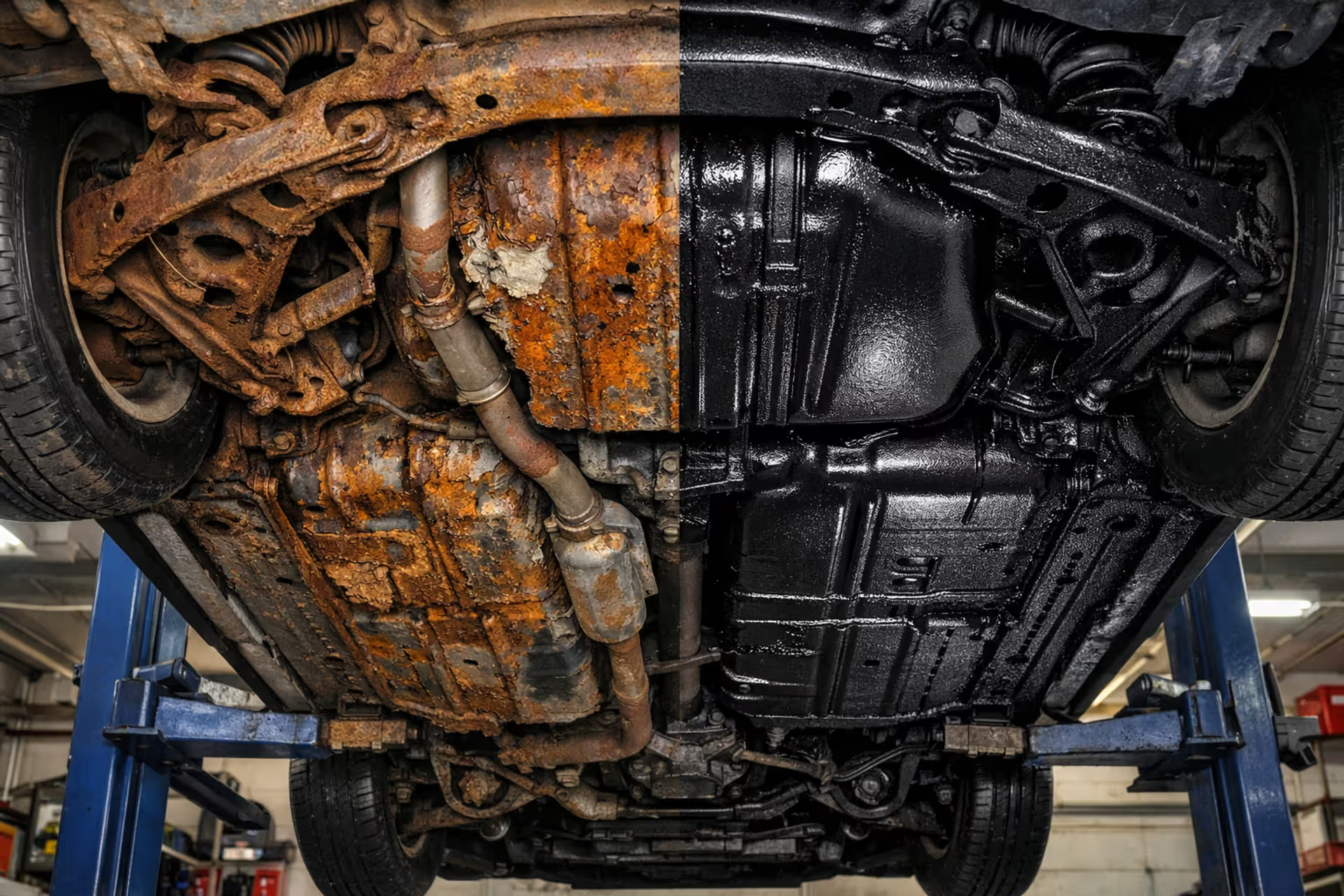
Annually or 10,000–15,000 miles: - Replace cabin air filter - Inspect exhaust system for rust, holes, or loose hangers - Check CV joint boots for tears (front-wheel drive) - Test battery under load - Inspect fuel system for leaks - Check parking brake adjustment
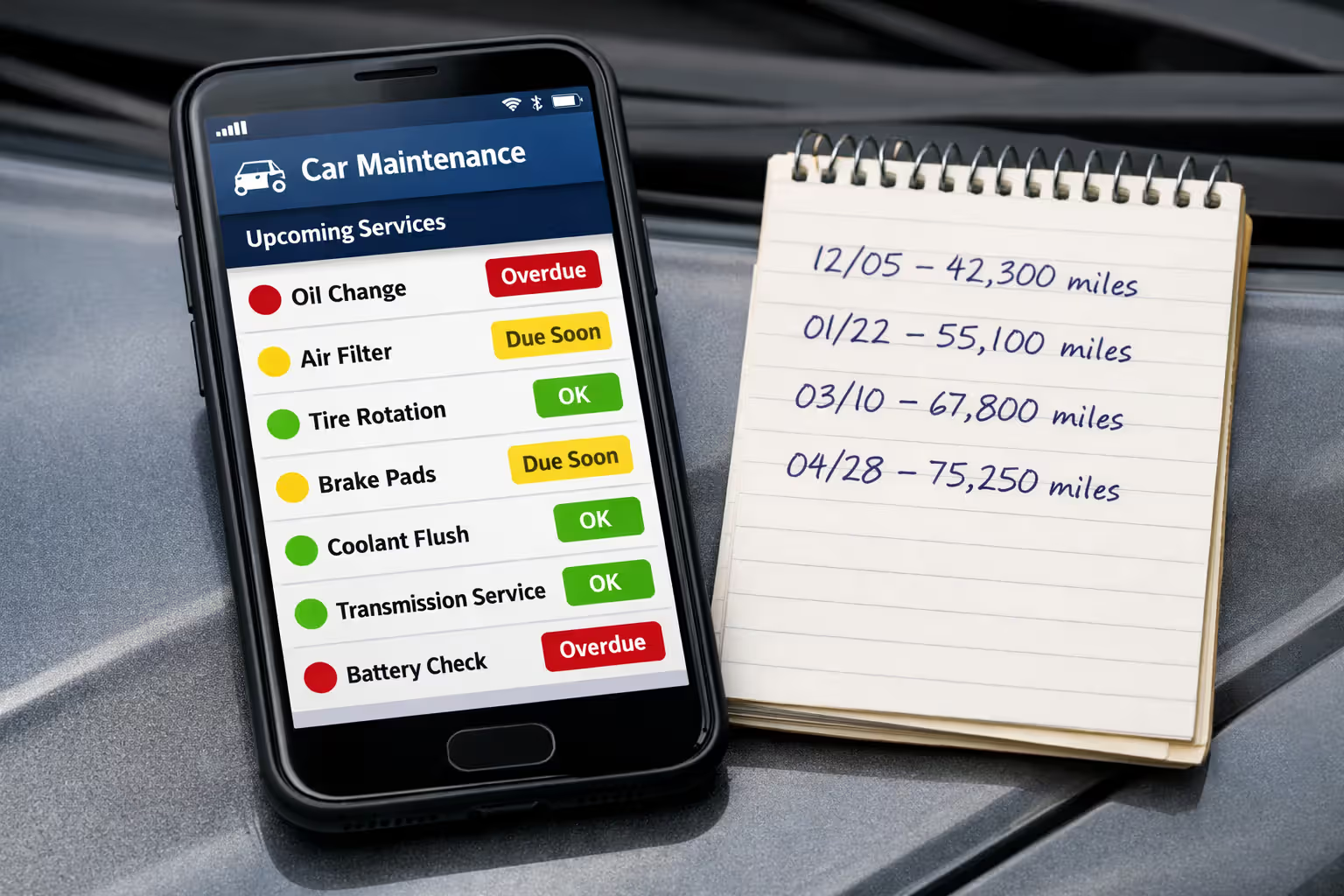
Print or save a digital version of this routine inspection checklist. Many maintenance tracking apps let you set reminders based on date or mileage, automatically prompting you when inspections are due.
Author: Derek Fulton;
Source: shafer-motorsports.com
7 Critical Systems Your Maintenance Planning Should Cover
Comprehensive maintenance planning ownership means understanding the major systems that keep your vehicle operating safely and reliably.
Engine: Oil changes remain the foundation. Conventional oil requires changes every 3,000–5,000 miles, synthetic every 7,500–10,000 miles. Don't rely solely on oil life monitors—they can't detect contamination from short trips or dusty conditions. Replace engine air filter every 15,000–30,000 miles. Change spark plugs at manufacturer intervals (30,000–100,000 miles depending on type). Replace fuel filter every 30,000 miles if equipped with external filter.
Transmission: Automatic transmission fluid degrades from heat and friction. Despite "lifetime fluid" claims, change it every 50,000–60,000 miles for longevity. Manual transmissions need fluid changes every 30,000–60,000 miles. Transmission failure costs $3,000–8,000; fluid changes cost $150–300.
Brakes: Inspect pads and rotors every oil change. Replace pads when thickness reaches 3mm (they start at 10–12mm). Flush brake fluid every 3 years—it absorbs moisture that causes internal corrosion and reduces boiling point. Seized calipers and failed master cylinders often result from old fluid.
Tires: Rotate every 5,000–7,000 miles. Replace when tread depth reaches 4/32" (use the quarter test—insert a quarter upside down; if you see above Washington's head, replace the tire). Check alignment annually or after hitting major potholes. Misalignment causes uneven wear and poor handling.
Fluids: Coolant flushes every 30,000–50,000 miles prevent corrosion and maintain heat transfer. Power steering fluid (if not lifetime) needs changing every 50,000 miles. Differential fluid in rear-wheel and all-wheel drive vehicles requires changes every 30,000–60,000 miles.
Electrical: Battery replacement every 4–6 years prevents unexpected failures. Clean terminals annually. Inspect alternator belt condition—a $25 belt failure can discharge a battery and leave you stranded. Test charging system voltage (should be 13.5–14.5 volts with engine running).
Cooling system: Replace radiator hoses every 60,000 miles or when they feel soft or show cracks. Thermostat replacement every 100,000 miles prevents overheating. Inspect water pump for leaks at timing belt replacement intervals. Cooling system failure causes more engine damage than any other maintenance neglect.
| System Name | Inspection Frequency | Typical Replacement Interval | Warning Signs to Watch | Estimated Cost Range |
| Engine Oil & Filter | Every 3,000–7,500 miles | Same as inspection | Low oil pressure light, knocking sounds, dark exhaust smoke | $35–$75 |
| Transmission Fluid | Every 30,000 miles | Every 50,000–60,000 miles | Slipping gears, delayed engagement, burnt smell | $150–$300 (service) |
| Brake System | Every oil change | Pads: 25,000–70,000 miles; Rotors: 50,000–70,000 miles | Squealing, grinding, vibration, soft pedal | $300–$800 (full service) |
| Tires | Monthly pressure check | 40,000–70,000 miles | Uneven wear, vibration, low pressure warning | $400–$1,200 (set of 4) |
| Cooling System | Every oil change | Coolant: 30,000–50,000 miles; Hoses: 60,000 miles | Overheating, leaks, sweet smell, temperature fluctuation | $100–$400 |
| Battery & Electrical | Every 6 months | Battery: 4–6 years; Alternator: 80,000–150,000 miles | Slow cranking, dimming lights, electrical issues | $150–$300 (battery) |
| Belts & Hoses | Every 6 months | Serpentine belt: 60,000–100,000 miles; Timing belt: 60,000–105,000 miles | Squealing, visible cracks, glazing, soft hoses | $75–$150 (serpentine); $500–$1,000 (timing) |
How Service Priority Planning Prevents Expensive Breakdowns
Not all maintenance carries equal urgency. Service priority planning means categorizing tasks by risk and impact, ensuring critical items get addressed even when budgets are tight.
Critical (address immediately): Brake system problems, tire damage or severe wear, fluid leaks (especially oil or coolant), check engine lights related to emissions or engine damage, steering or suspension failure symptoms. These affect safety or cause cascade damage.
High priority (within 2–4 weeks): Worn brake pads (above 3mm but below 5mm), aging timing belt approaching interval, transmission showing early symptoms, battery testing weak, coolant or brake fluid due for service. These items will become critical soon.
Medium priority (within 2–3 months): Scheduled maintenance approaching due date, worn tires above minimum but showing uneven wear, minor fluid leaks not worsening, cabin air filter replacement, accessory belt showing wear. Plan and budget for these.
Low priority (within 6 months): Cosmetic issues, minor rattles or squeaks, convenience features not working, upgrades or improvements. Address after critical and high-priority items.
This framework helps when faced with a $1,200 repair estimate covering multiple issues. If the list includes $600 for brake pads and rotors, $300 for transmission service, and $300 for cabin air filter and wiper blades, you know the brakes demand immediate attention while the filter and wipers can wait.
Maintenance risk prevention also means understanding failure modes. A worn serpentine belt might strand you but won't damage the engine. A timing belt failure on an interference engine will bend valves and require thousands in repairs. Both are belts, but the timing belt carries far higher priority.
Keep a running list of identified maintenance needs with estimated costs. This lets you plan for expenses rather than facing surprises. When you have extra budget, tackle the next item on the list rather than waiting for failure.
An ounce of prevention is worth a pound of cure
— Benjamin Franklin
Common Maintenance Mistakes That Shorten Vehicle Lifespan
Even drivers who attempt maintenance planning ownership often undermine their efforts through these errors:
Using wrong fluids: Modern engines require specific oil weights and certifications. Using conventional oil in an engine designed for synthetic causes sludge buildup. Wrong transmission fluid damages clutch packs and seals. Mixing coolant types causes precipitation and clogs passages. Always verify specifications in your owner's manual, not just what's on sale.
Extending intervals beyond recommendations: "I'll change the oil at 8,000 miles instead of 7,500" seems harmless until you forget and hit 12,000 miles. Manufacturers set intervals with safety margins, but pushing them eliminates that buffer. Severe driving conditions (short trips, extreme temperatures, dusty environments, towing) require shorter intervals, not longer.
Ignoring minor symptoms: A slight squeal when starting the engine seems ignorable until the serpentine belt shreds on the highway. A small coolant leak becomes a cracked head gasket. A transmission that shifts slightly rough becomes a $4,000 rebuild. Early symptoms are warnings, not annoyances.
Skipping documentation: You remember changing the oil in spring, but was that March or May? Was it 3,000 or 5,000 miles ago? Poor records lead to missed services and make proving maintenance history impossible when selling. Write it down every time.
Mixing DIY and professional service randomly: Some owners do their own oil changes but skip other maintenance, assuming the oil change shop would mention problems. Many quick-lube shops don't perform thorough inspections. Either establish a relationship with a full-service shop that inspects comprehensively, or take responsibility for all inspection items yourself.
Reactive replacement of related components: Replacing just the failed part often leaves you with another failure soon after. When replacing a water pump, replace the thermostat and hoses too—you're already paying the labor. When doing brake pads, resurface or replace rotors. When replacing one ignition coil, consider replacing all if they're original with high mileage. Parts from the same manufacturing batch fail around the same time.
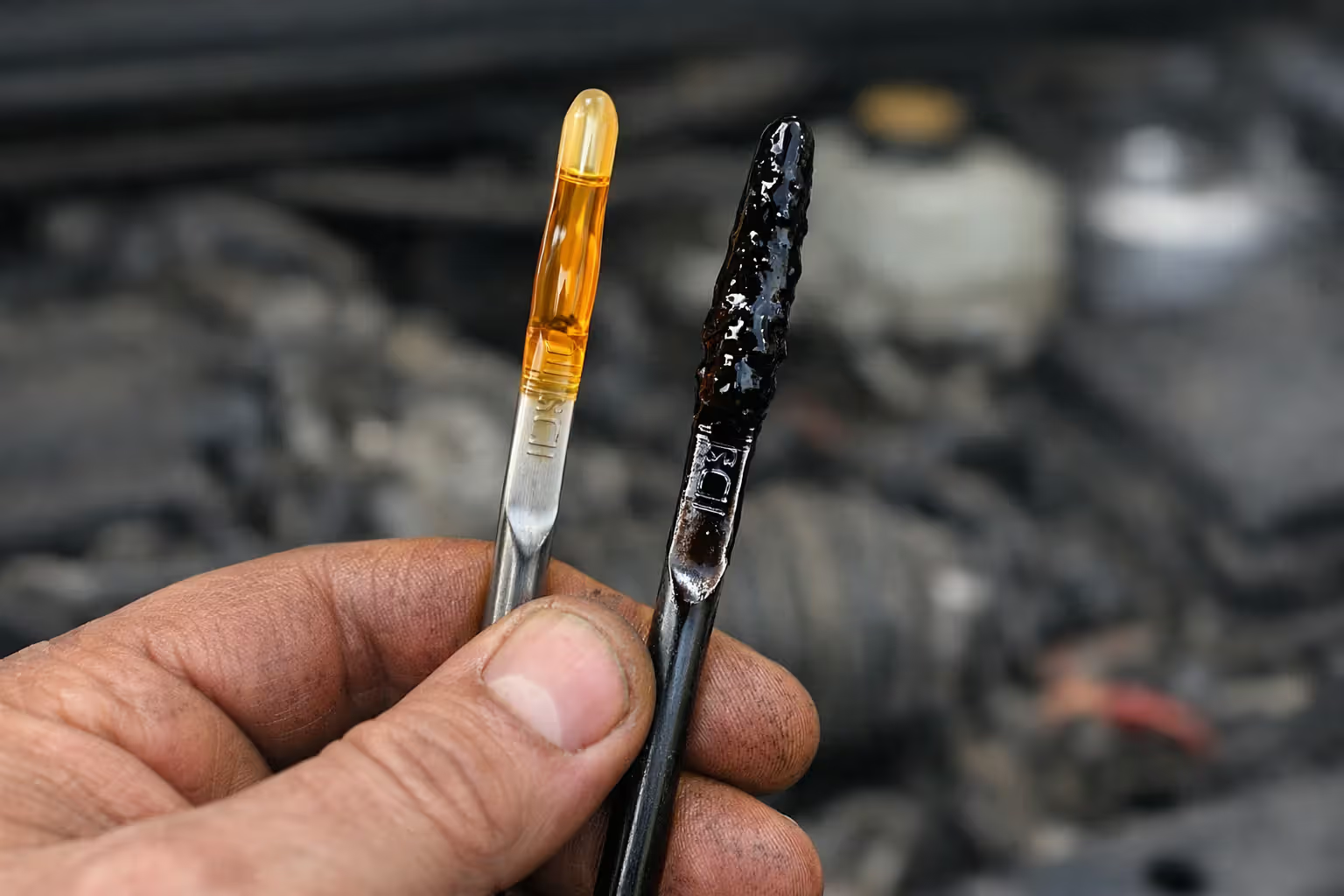
Trusting oil life monitors blindly: These systems use algorithms based on engine revolutions, temperature, and time. They can't detect fuel dilution, coolant contamination, or other issues that degrade oil prematurely. Use them as guides, but inspect oil condition and consider your driving patterns.
Author: Derek Fulton;
Source: shafer-motorsports.com
Tracking and Documentation: The Backbone of Your Longevity Strategy Vehicle
Systematic tracking transforms maintenance from scattered actions into a coherent longevity strategy vehicle approach. Documentation proves what you've done, shows what's due next, and provides valuable history for diagnosis and resale.
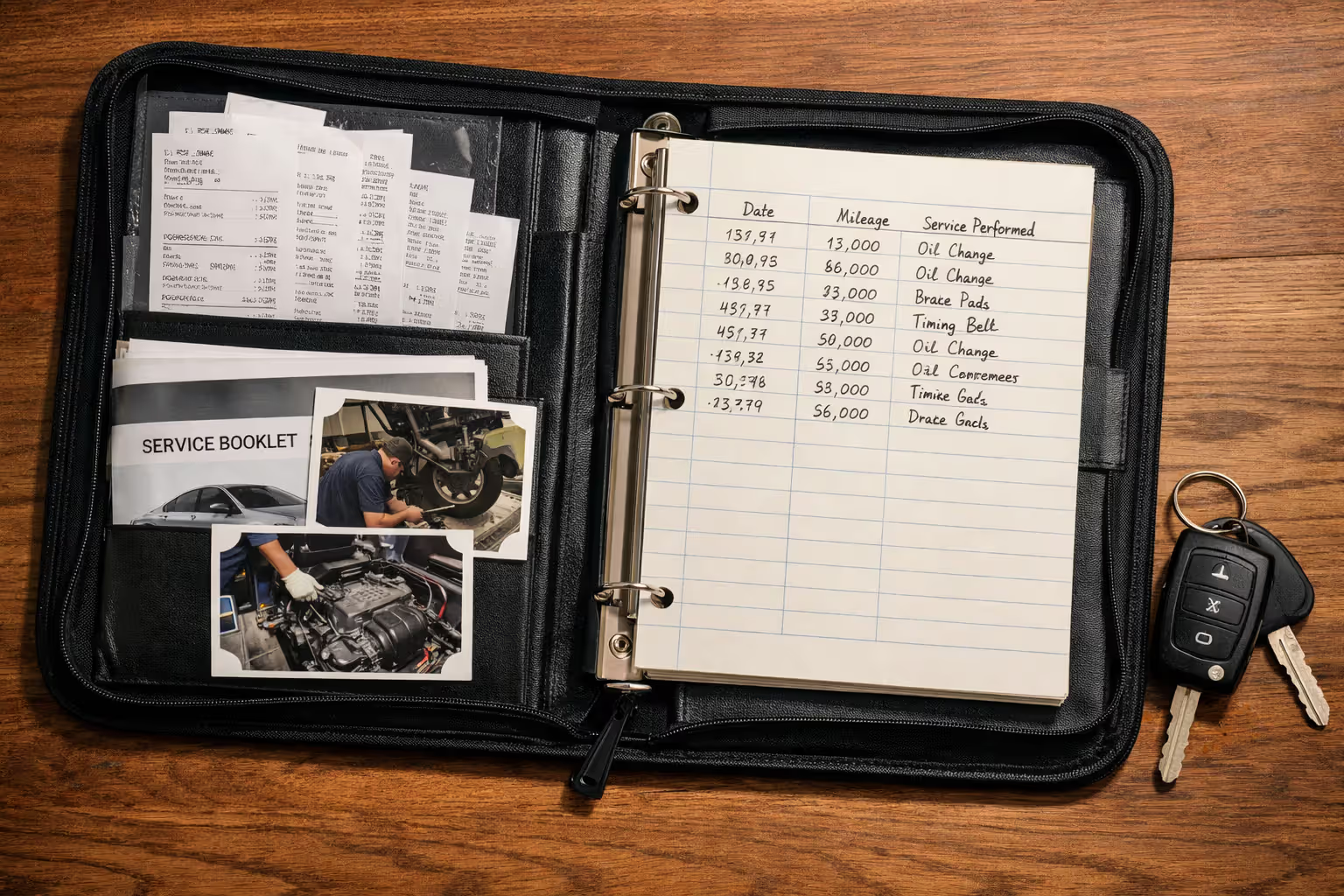
What to record: Date, mileage, service performed, parts used (brand and part numbers), cost, service provider, and any observations or recommendations. For DIY work, note any difficulties or unusual findings. Photograph major repairs showing the failed component.
Digital tracking: Apps like Car Minder Plus, AaCar, and Fuelly let you log services, set reminders, and track costs. Most sync across devices and allow photo attachments. Digital records survive vehicle sales and are easily shared with mechanics or buyers. The downside: apps disappear or change, potentially losing years of data. Export your records periodically as backup.
Paper logs: A simple notebook in the glove box works perfectly. Write every service immediately. Keep all receipts in an envelope or folder. Paper can't crash or require updates, and it stays with the vehicle. The downside: easy to lose or damage, and not searchable.
Hybrid approach: Many owners maintain digital records for analysis and searching while keeping paper receipts and a summary log with the vehicle. This provides redundancy and convenience.
Service receipt management: Staple receipts to log pages or file chronologically. Highlight key information: date, mileage, services performed. Receipts prove warranty compliance and verify quality parts were used. They're essential for warranty claims and add hundreds to resale value.
Maintenance planning spreadsheets: Create a simple spreadsheet listing all maintenance items, recommended intervals, last service date and mileage, and next due date and mileage. Sort by next due date to see what's coming. Update after each service. This proactive view prevents missed maintenance and helps budget for upcoming expenses.
Photos document condition: Before and after photos of major repairs provide proof of work quality and condition. Photos of rust, leaks, or damage help mechanics diagnose problems and give you leverage if shops try to sell unnecessary services. A photo showing clean brake pads refutes claims they're worn.
Author: Derek Fulton;
Source: shafer-motorsports.com
Transfer records with vehicle sales: Complete maintenance records increase resale value significantly. Buyers pay premiums for documented care. Provide copies of all records; keep originals until the sale is completely final. Well-documented vehicles sell faster and for more money.
Frequently Asked Questions About Vehicle Preventive Maintenance
A preventive maintenance checklist transforms vehicle ownership from expensive uncertainty to predictable reliability. The difference between a car lasting 100,000 miles and 300,000 miles isn't luck—it's systematic attention to the components that keep it running.
Start with the routine inspection checklist organized by frequency. Perform daily and weekly quick checks to catch problems early. Schedule monthly detailed inspections. Don't skip quarterly and annual deep-dive services. These regular touchpoints prevent the vast majority of unexpected failures.
Focus your maintenance planning on the seven critical systems: engine, transmission, brakes, tires, fluids, electrical, and cooling. Each has specific intervals and warning signs. Address them systematically rather than waiting for problems.
Use service priority planning to categorize maintenance by urgency when you can't address everything immediately. Critical safety items come first, followed by high-priority items that will soon become critical. This framework helps you make smart decisions when budgets are tight.
Avoid the common mistakes that undermine even well-intentioned maintenance efforts: wrong fluids, extended intervals, ignored symptoms, poor documentation, and reactive part replacement. These errors waste the time and money you invest in maintenance.
Finally, maintain detailed records of every service. Documentation proves what you've done, helps diagnose future problems, and significantly increases resale value. Whether digital, paper, or hybrid, consistent tracking is essential.
The reliability improvement maintenance approach outlined here requires modest time and money investments that return multiples in avoided repairs, prevented breakdowns, and extended vehicle life. Your vehicle is likely your second-largest asset after your home. Protecting it through systematic preventive maintenance is one of the smartest financial decisions you can make.
Related Stories
Read more
Read more


The content on Auto Insights is provided for general informational and educational purposes only. It is intended to offer guidance on car buying, vehicle ownership, finance, insurance, EVs, maintenance, accessories, reviews, and related topics, and should not be considered professional financial, legal, insurance, mechanical, or investment advice.
All information, tools, calculators, comparisons, and recommendations presented on this website are for general guidance only. Individual financial situations, driving habits, vehicle conditions, insurance policies, and market factors vary, and actual results or costs may differ from estimates provided.
Auto Insights makes no guarantees regarding accuracy, completeness, or current applicability of the information, as automotive markets, regulations, incentives, interest rates, and vehicle specifications may change over time.