

Car in winter snow and summer heat split screen showing seasonal weather extremes on road
Your Complete Seasonal Maintenance Checklist for Year-Round Vehicle Reliability

Content
Content
Here's what catches most vehicle owners off guard: mechanical components respond dramatically to temperature changes. Your battery might turn over the engine without hesitation in mild fall weather, then leave you stranded when the thermometer drops to single digits. Meanwhile, that coolant mix protecting your engine during spring? It can bubble over spectacularly when desert asphalt reaches temperatures hot enough to fry an egg.
Mike Patterson has worked as an ASE-certified master technician at a Minnesota dealership for 22 years. He puts it this way: "Every winter and summer, I watch the same cycle repeat. People who invest three to four hundred bucks in seasonal preparation completely sidestep those thousand-dollar-plus emergency fixes. And they don't get stuck in blizzards or heat waves. Simple math—prevention runs you maybe a third of what you'll pay after something breaks."
Let's talk actual numbers from repair shops. Getting your battery tested and terminals serviced in October runs about $45. Skip that step, and a dead battery might cost you $180 for emergency roadside assistance, plus whatever the tow truck charges. Or consider cooling systems: spending $120 for a pre-summer flush beats paying $900 to replace a radiator that cracked from overheating. Insurance companies and warranty providers track this stuff—the patterns are crystal clear.
Your location matters tremendously. South Florida drivers deal with relentless heat but rarely worry about antifreeze. Up in Minneapolis, cold-weather prep becomes critical while summer cooling takes less attention. Denver's altitude combined with wild temperature swings means you're preparing for both extremes. Smart reliability seasonal care matches your actual climate, not some generic nationwide guide.
Most people seriously underestimate climate maintenance adjustments and their impact. Rubber components—seals, hoses, belts—break down roughly 40% faster when constantly exposed to extreme heat. Battery output drops more than a third when you compare freezing conditions to comfortable temperatures. And tire pressure? It shifts approximately one pound for each ten-degree temperature swing. Understanding these relationships changes how you think about regular upkeep.
The bitterness of poor quality remains long after the sweetness of low price is forgotten
— Benjamin Franklin
Winter Preparation: Essential Tasks Before the First Freeze
Battery problems cause more winter no-starts than everything else combined. Get yours load-tested once temperatures consistently stay below 50°F—waiting for actual freezing weather is too late. A battery showing decent voltage might look fine, then die overnight when a cold snap hits. Use a wire brush to remove corrosion from terminals, then coat them with dielectric grease to maintain solid electrical connections.
Tire management goes way beyond measuring tread depth. Those all-season tires? Their rubber compound hardens once temperatures drop below 45°F, losing significant grip. Dedicated winter tires improve traction by 25-50% if you regularly see freezing temperatures. The quarter test works great for checking tread—slide it in upside down, and if Washington's entire head shows, you're down to 4/32" and need new rubber before snow flies.
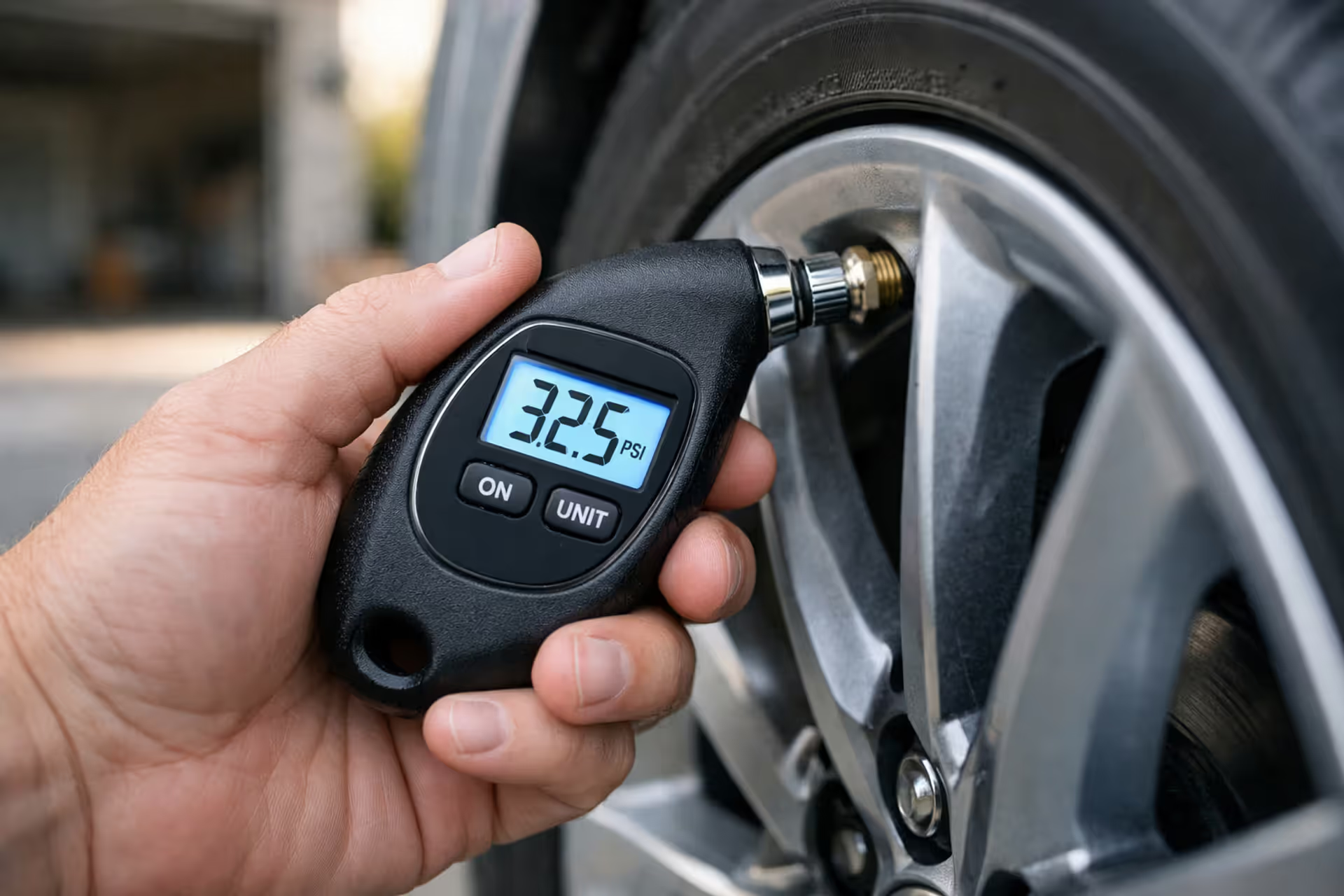
Temperature drops affect tire pressure significantly. Set your tires to 35 PSI during a 70-degree September afternoon, and they might register just 31 PSI by a 30-degree January morning. That's a ten-degree drop reducing pressure by roughly one PSI. Underinflated tires compromise traction, extend stopping distances, and wear unevenly.
Your antifreeze concentration determines actual freeze protection. Standard 50/50 mixtures handle down to -34°F. Bump that to 60% antifreeze, and you're protected to -62°F. Test your mixture with a refractometer or test strips—eyeballing the color tells you absolutely nothing useful. Running below 50% concentration? Drain some coolant and add straight antifreeze until you hit proper protection levels.
Swap out windshield wipers before the season's first snowfall. Summer heat destroys rubber, and winter demands maximum clearing ability. Premium winter blades feature rubber boots preventing ice from building up on the frame. Fill your washer reservoir with winter-rated solution—look for ratings of -20°F or lower. Summer washer fluid freezes solid inside lines and can crack your reservoir tank.
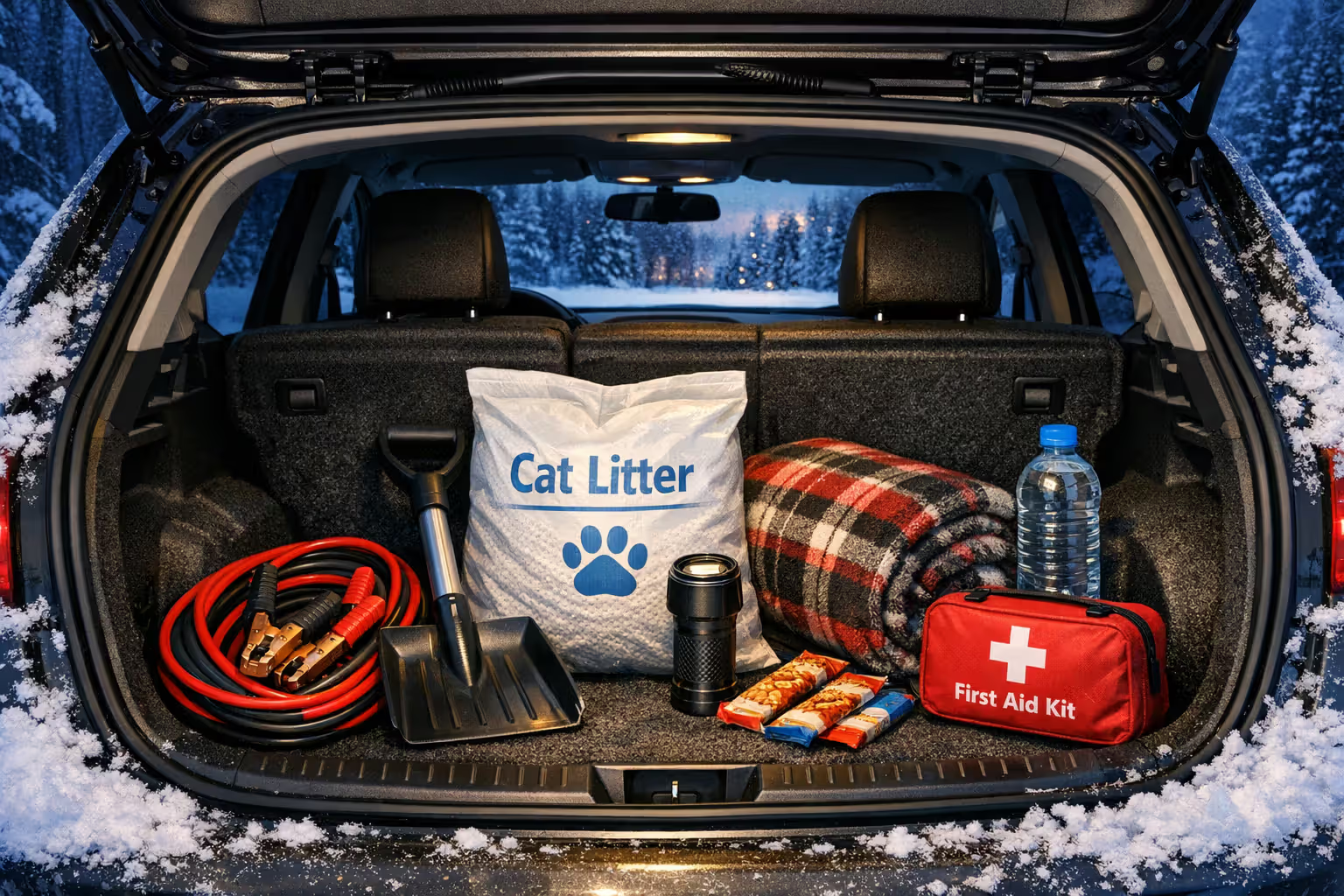
Put together an emergency kit with these essentials: jumper cables or a portable jump starter, ice scraper plus brush, compact shovel, sand or kitty litter for getting unstuck, flashlight with spare batteries, warm blanket, bottled water, granola bars or other snacks that won't spoil, and a basic first-aid kit. Keep it in your trunk, not sitting in your garage. This winter preparation vehicle step takes maybe 20 minutes but could save your life if weather traps you.
Author: Kevin Thornton;
Source: shafer-motorsports.com
Summer Heat Maintenance: Protecting Your Vehicle From High Temperatures
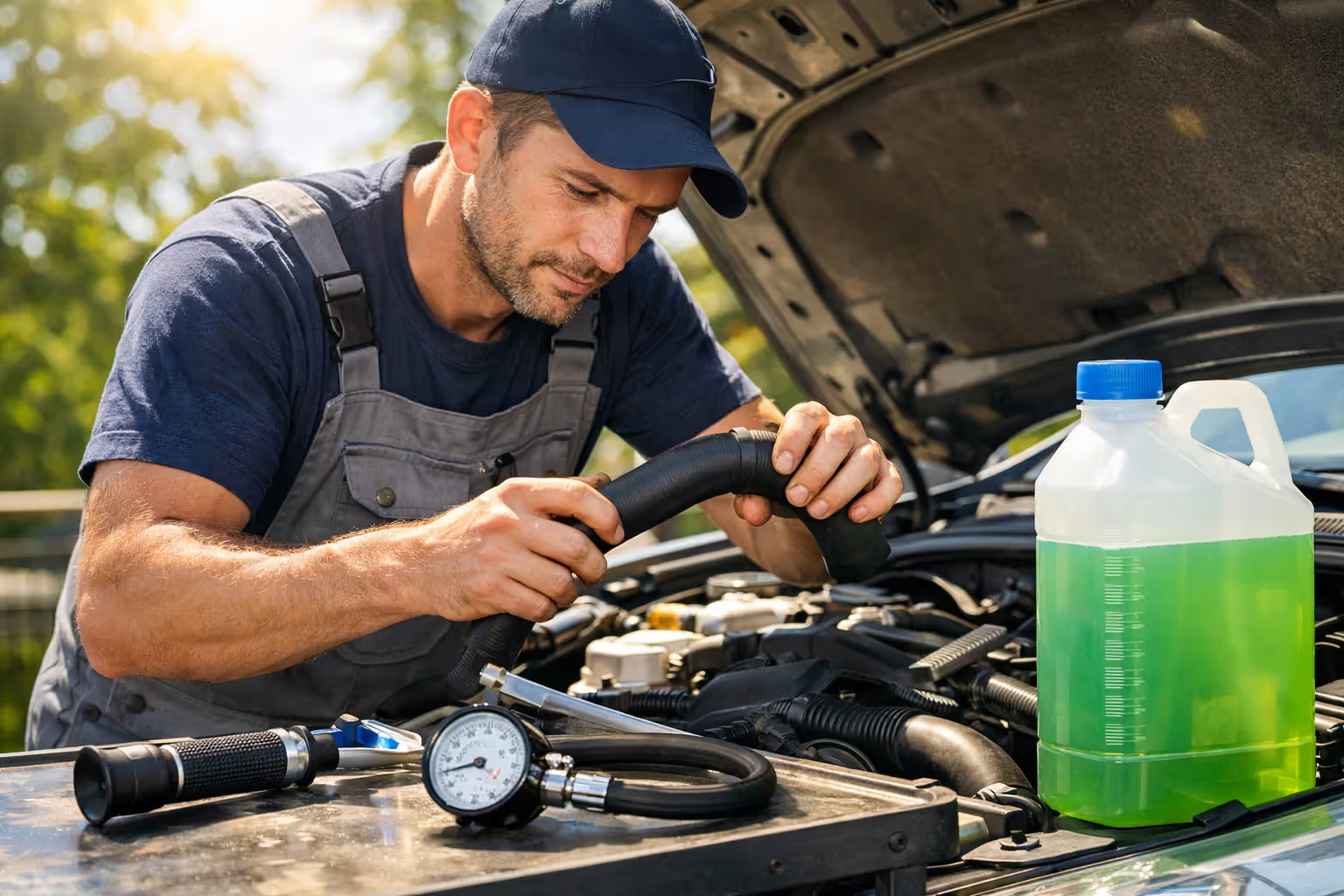
Your cooling system works overtime once outside temperatures push past 90°F while engine compartments hit 200°F. Check hoses carefully for soft sections, visible cracks, or bulging—these signal imminent failure. A hose that ruptures on the interstate can trash your engine within minutes from catastrophic overheating. Examine your radiator cap's pressure rating (usually 13-16 PSI) and replace it if the rubber seal looks worn or damaged.
Flush cooling systems every three to five years, regardless of how many miles you've driven. Aging coolant loses its corrosion-fighting properties, allowing scale deposits that restrict flow and reduce heat transfer. This becomes critical during summer when your system operates at maximum capacity. Spending $120 on a flush beats paying $1,500 for a new water pump or radiator.
Air conditioning performance degrades so gradually that you might not notice until it barely functions. Schedule a spring system check where technicians measure vent output temperatures, check pressure readings, and look for refrigerant leaks. Low refrigerant levels almost always mean you've got a leak, not normal depletion. Just adding refrigerant without fixing leaks throws away money and releases harmful chemicals into the atmosphere.
Engine oil viscosity selection affects protection during heat stress. Running 5W-30 in winter? Consider switching to 10W-30 or 5W-40 for summer in hot climates, but only if your manufacturer approves these grades in your owner's manual. Oil that's slightly thicker at operating temperature provides better protection for engines with higher mileage. Check your manual carefully—using non-approved viscosity can void your warranty coverage.
Heat makes tire pressure rise—that tire reading 35 PSI during a cool morning might show 38-40 PSI after you've driven on hot highways in 95-degree weather. Always check pressure when tires are cold, meaning the vehicle's been parked at least three hours. Overinflated tires reduce the contact patch with the road and hurt handling. Underinflated tires flex too much, generating heat that can trigger blowouts.
Shield your interior from UV damage that cracks dashboards and bleaches upholstery. Pop a reflective sunshade across your windshield when parking. Find shaded spots whenever possible. Apply UV protectant to vinyl and leather monthly during summer heat maintenance routines. These simple habits preserve resale value and prevent those brittle, cracked surfaces you see on vehicles that spent years baking in the sun.
Author: Kevin Thornton;
Source: shafer-motorsports.com
Spring and Fall Inspection Routines That Prevent Costly Repairs
Brake systems need thorough twice-yearly evaluation. Spring inspections catch damage from winter road salt and moisture exposure. Fall checks confirm you've got sufficient pad thickness before winter driving demands maximum stopping capability. Measure remaining pad thickness—replace pads once they're down to 3mm. Look for scored rotors, test caliper slide pins for smooth movement, and verify brake fluid hasn't turned dark or picked up contamination.
Suspension components suffer from potholes and temperature cycling. Watch for torn CV joint boots, worn ball joints, and damaged rubber bushings. Grip each front tire at the 3 o'clock and 9 o'clock positions, then try rocking it back and forth—too much play indicates worn parts. A front-end alignment runs $80-120 but prevents spending $600 replacing tires that wore prematurely from improper alignment.
Check all fluid levels and condition during your seasonal inspection routine. Brake fluid should appear clear amber rather than dark brown. Power steering fluid shouldn't have a burnt smell. Transmission fluid color varies by type, but watch for metal particles or scorched odors. Differential and transfer case fluids get neglected frequently—verify levels and change them according to manufacturer schedules.
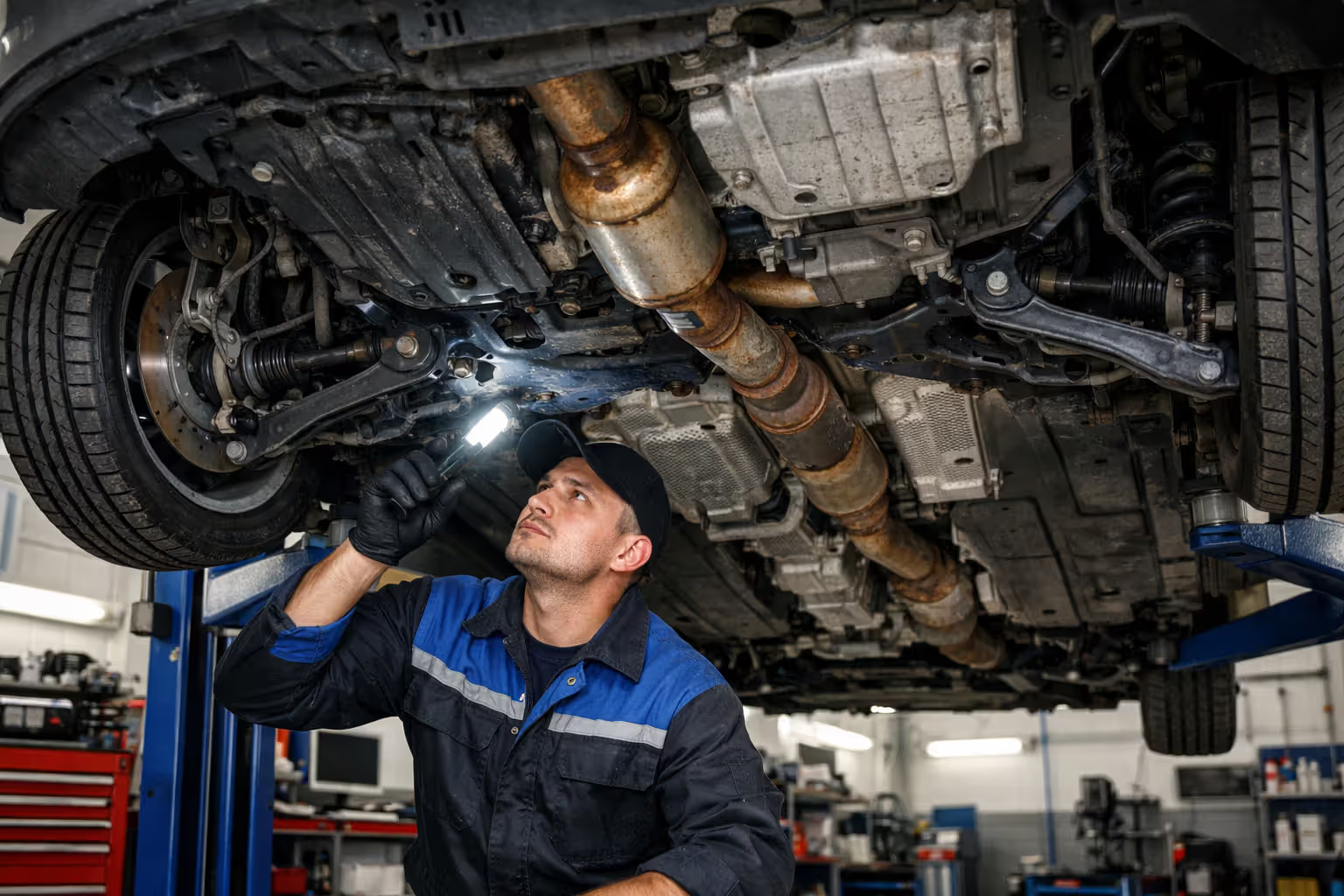
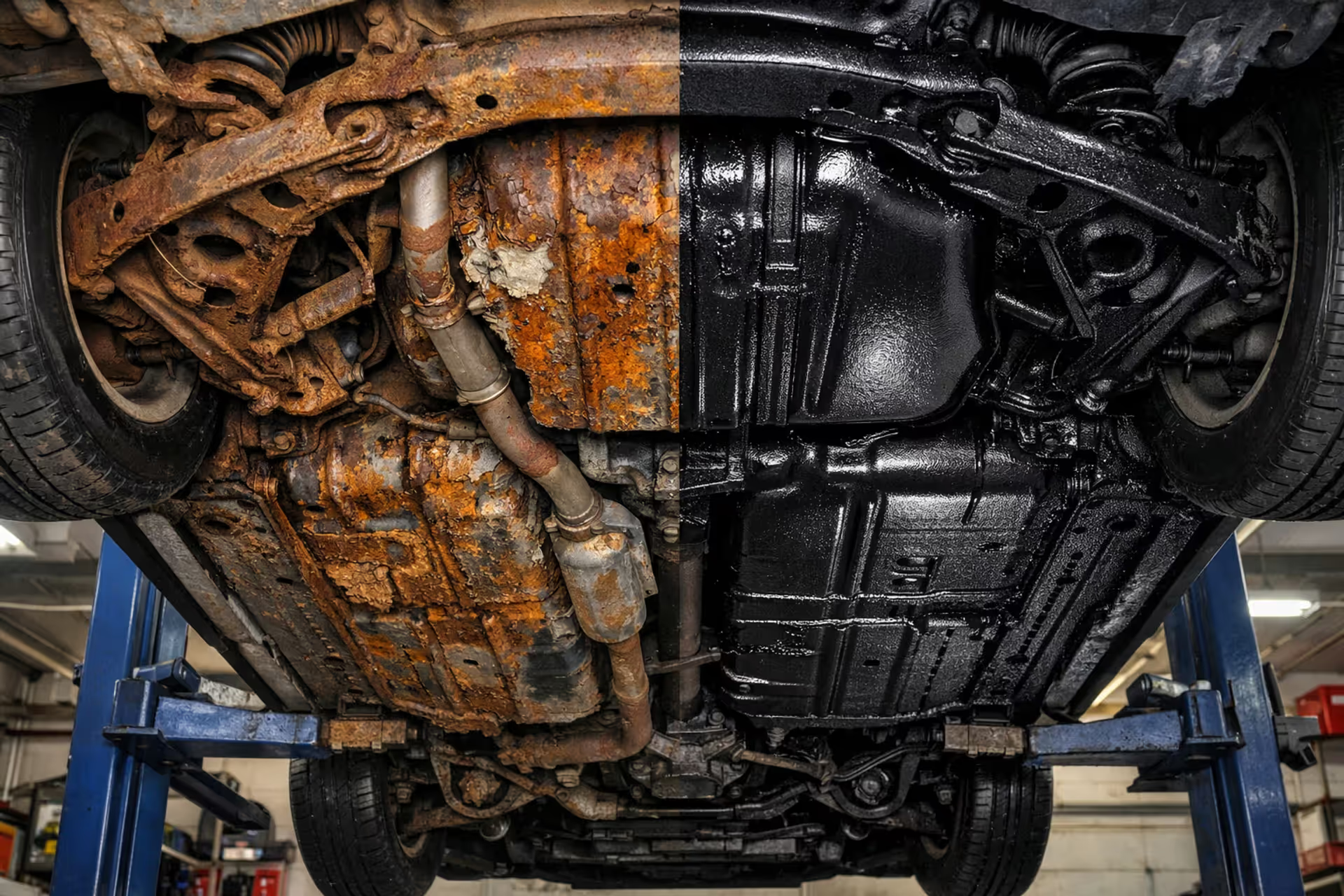
Undercarriage inspection reveals problems you can't see from above. Grab a flashlight and look for rust holes, exhaust system leaks, fluid drips from engine or transmission seals, and damaged protective shields. Spring proves critical for checking salt-related corrosion in northern regions. Fall inspections should confirm everything's intact before winter conditions stress components further.
Verify that all exterior lighting works—headlights, brake lights, turn signals, reverse lights. Headlight lenses get cloudy from oxidation, cutting nighttime visibility by half or more. Restore them properly using a sanding and sealing kit, not those temporary wipe-on products. Replace any burned-out bulbs and clean electrical contacts for reliable operation.
Author: Kevin Thornton;
Source: shafer-motorsports.com
How to Build a Maintenance Planning Schedule That Actually Works
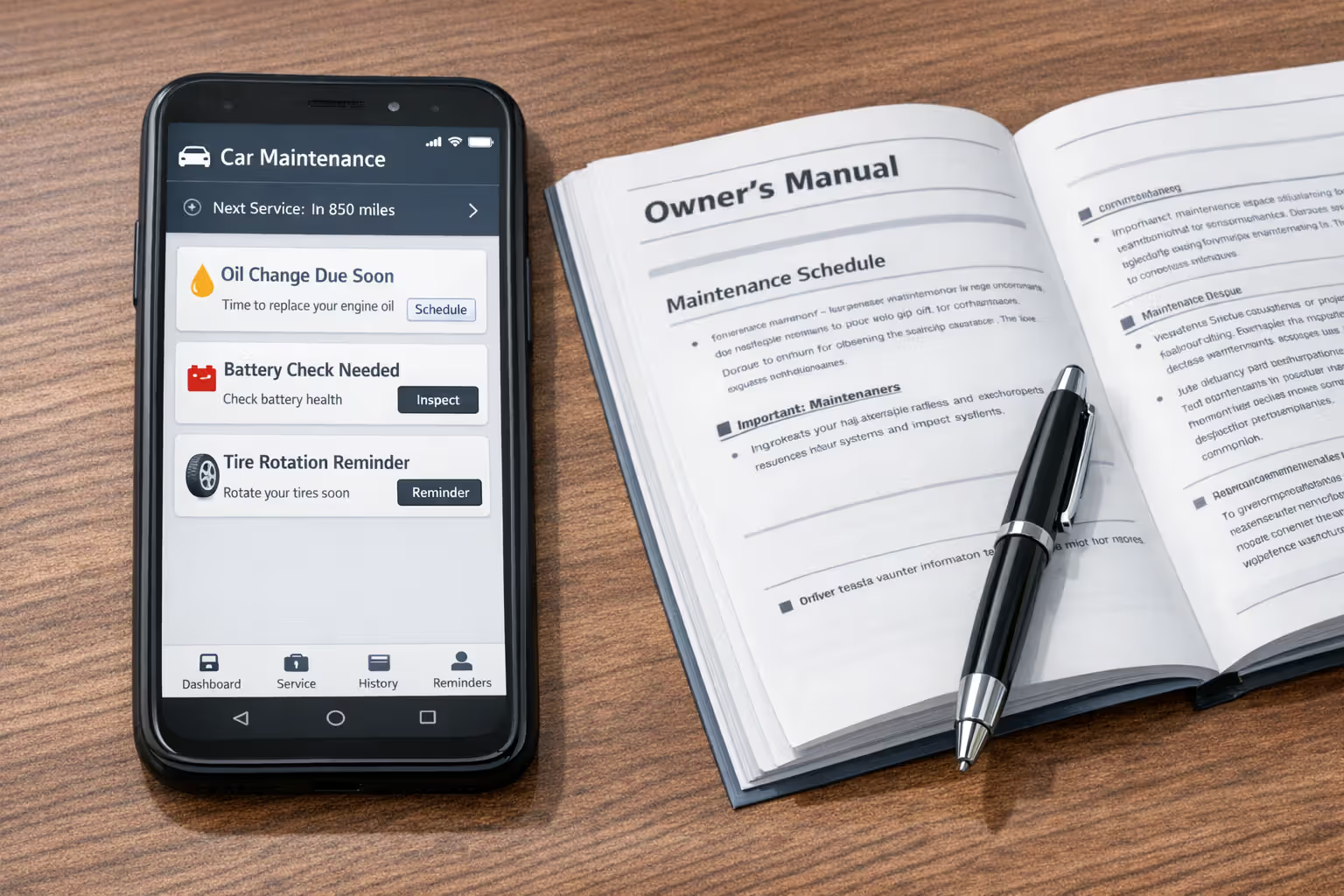
Building a workable 12-month calendar means balancing manufacturer requirements with seasonal realities. Start with your owner's manual service schedule, then layer in seasonal tasks. If your manual recommends oil changes every 5,000 miles, time one before winter arrives and another before summer heat kicks in.
Track both mileage and time intervals since different services trigger on different metrics. Cabin air filters need replacement every 12-15 months no matter how few miles you drive. Oil changes depend on both miles and months (commonly 5,000 miles or six months). Coolant flushes run on time schedules (every three to five years). Use a spreadsheet or maintenance apps to monitor both tracking systems.
Digital tools make maintenance planning yearly schedules much easier. Apps like Car Minder Plus, AUTOsist, or even Google Calendar with repeating reminders prevent forgotten services. Enter your vehicle's current mileage and service history, then configure alerts for upcoming maintenance—set them to notify you 500 miles or two weeks before due dates.
Manufacturer recommendations give you baseline intervals, but adjust for your actual driving conditions. "Severe service" schedules apply to most drivers despite the intimidating name. Short trips under ten miles, temperature extremes, dusty environments, towing, and stop-and-go traffic all qualify. Severe service typically cuts intervals in half for oil changes and other services.
Here's a practical schedule broken down by season:
| Season | Critical Tasks | Recommended Timing | Estimated Cost Range |
| Winter Prep (Oct-Nov) | Battery testing, tire swap or inspection, antifreeze concentration check, fresh wipers, emergency kit setup | Before forecasts predict first freeze | $150-400 |
| Spring Check (Mar-Apr) | Brake evaluation, alignment verification, AC performance test, fluid level confirmation, thorough undercarriage wash | After final freeze, ahead of hot weather | $100-300 |
| Summer Prep (May-Jun) | Cooling system flush, fresh oil change, tire pressure reset, UV interior protection | Before sustained temperatures above 85°F | $200-500 |
| Fall Inspection (Sep-Oct) | Suspension component evaluation, battery retest, heater function check, complete lighting inspection, tire condition assessment | Six to eight weeks before winter arrives | $80-250 |
These price ranges reflect parts and labor at independent repair shops. Dealership pricing typically runs 20-40% higher. DIY work cuts costs substantially but requires proper tools, mechanical knowledge, and available time.
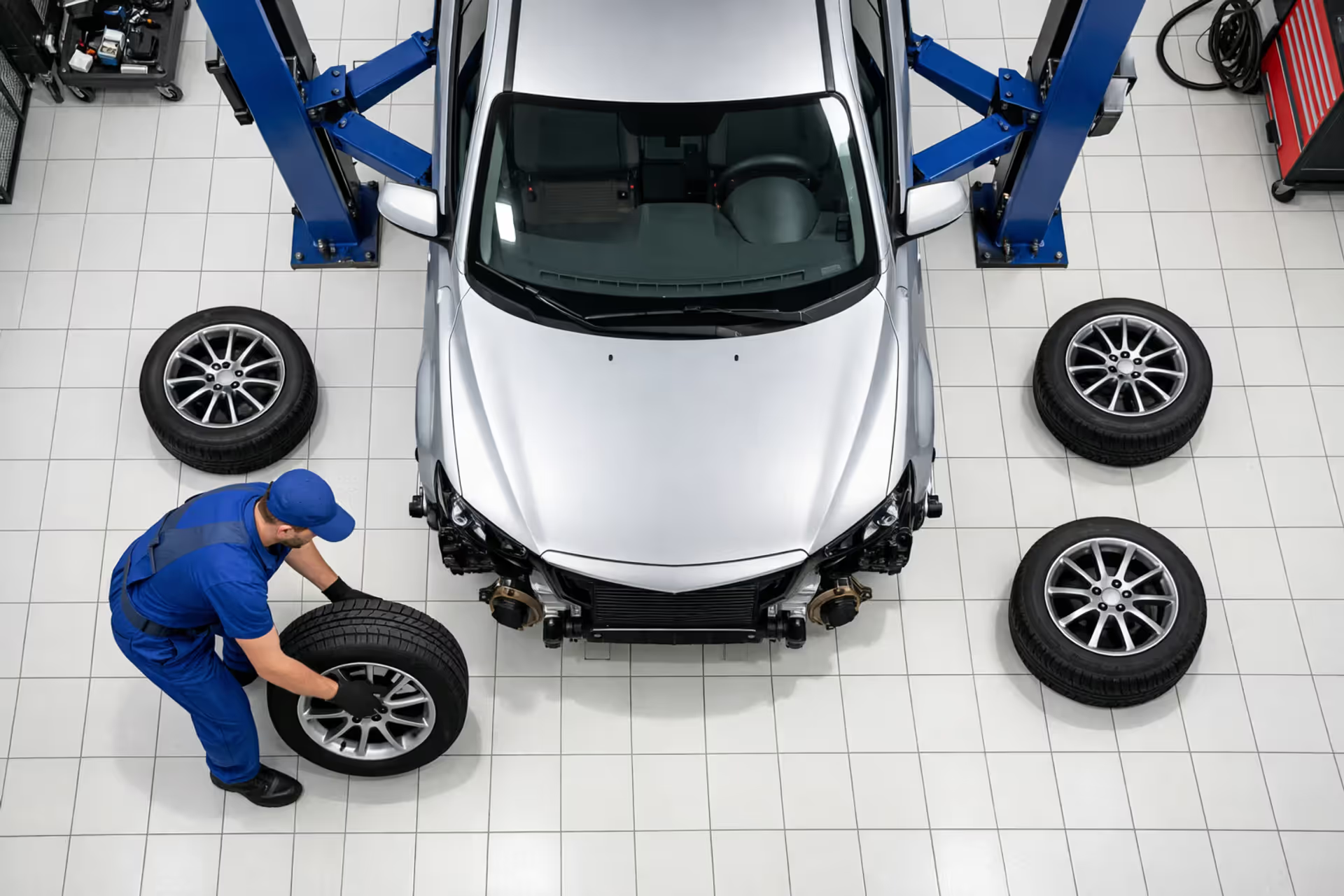
Coordinate seasonal tasks with other scheduled services to minimize trips to the shop. Need an oil change in October? Bundle battery testing and winter prep items. When your vehicle's already lifted for tire rotation in spring, request brake and suspension inspection at the same time. Combining services often reduces total labor charges.
Author: Kevin Thornton;
Source: shafer-motorsports.com
Common Seasonal Maintenance Mistakes Vehicle Owners Make
Skipping pre-season inspections because "everything seems fine" sets you up for expensive surprises. A battery that starts reliably in October can suddenly fail in January. Coolant that looks perfectly clean might contain just 30% antifreeze instead of the required 50%. Problems develop slowly, then fail suddenly. Waiting until you notice symptoms means you're already dealing with damage.
Using inappropriate products for your climate wastes money and risks serious damage. Summer windshield washer fluid in Minnesota? Your lines will freeze solid. Heavy winter-weight oil year-round in Arizona? You lose protection during extreme heat. Read product labels carefully and match specifications to your actual conditions, not marketing hype.
Ignoring warning signs between service intervals transforms minor issues into major breakdowns. A faint coolant smell indicates a small leak—fixing it now costs $50-150 versus facing a $1,200 head gasket repair after overheating causes damage. A squealing serpentine belt costs $80 to replace before it snaps versus $350 after it breaks and leaves you stranded.
Over-relying on generic advice ignores your specific situation. Florida drivers don't need winter tires. North Dakota drivers need more than basic all-season tires provide. A delivery driver logging 30,000 annual miles needs different service intervals than a retiree driving 5,000 miles yearly. Customize your seasonal maintenance checklist to match your actual driving reality.
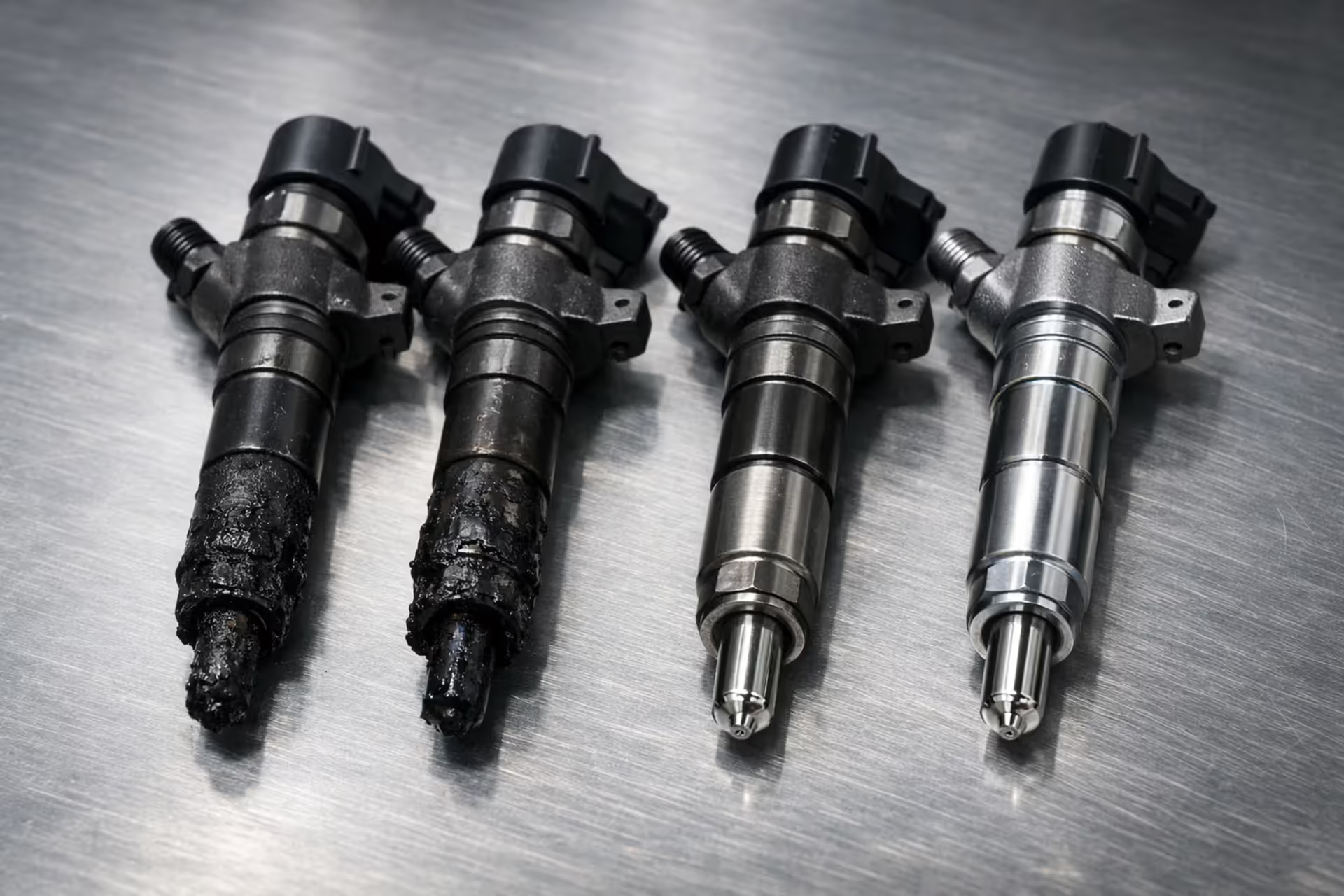
Delaying small fixes creates cascading failures. A $15 thermostat stuck open wastes fuel and prevents proper engine warm-up. Left alone, it causes carbon deposits, accelerated wear, and eventually a failed catalytic converter costing $1,200-2,500 to replace. A neglected $40 cabin air filter forces your AC system to work harder, shortening compressor lifespan by years (eventual replacement: $800-1,500).
Another common mistake: timing seasonal maintenance poorly. Switching to winter tires in August wastes money on accelerated wear from hot pavement. Waiting until December means you've already driven through dangerous conditions unprepared. Time your seasonal changes for when conditions actually shift in your region, typically two to three weeks before extreme weather normally starts.
An ounce of prevention is worth a pound of cure
— Henry de Bracton
Frequently Asked Questions About Seasonal Vehicle Care
Making Seasonal Maintenance Work for Your Situation
Seasonal vehicle care isn't about blindly copying someone else's checklist—it's about grasping how climate impacts your specific vehicle and creating routines matching your actual driving conditions. A properly maintained vehicle doesn't just survive longer; it performs better, consumes less fuel, and delivers reliable transportation exactly when you need it most.
Start small if the complete seasonal maintenance checklist seems overwhelming. Choose three critical items each season: battery health, tire condition, and fluid levels. Master these basics first, then gradually expand toward more comprehensive inspections. Even partial seasonal maintenance delivers significantly better results than completely ignoring climate-related wear.
Document everything you do. Save receipts, record dates and mileage, and track completed tasks. This documentation helps you identify patterns, plan future maintenance, and provides valuable records if you eventually sell the vehicle. It also prevents accidentally duplicating services and helps spot recurring problems that might indicate deeper mechanical issues.
The best maintenance schedule is whichever one you'll actually stick with. Whether you prefer smartphone apps, paper calendars, or simple recurring reminders, find a system fitting your lifestyle. Reliability seasonal care requires consistency more than perfection. A decent maintenance routine performed regularly beats an ideal plan that never gets executed.
Your vehicle represents a substantial financial investment. Protecting that investment through strategic seasonal maintenance costs far less than emergency repairs, extends vehicle lifespan dramatically, and provides genuine peace of mind knowing your car will start and operate safely regardless of weather conditions. The hour you invest in seasonal prep today prevents losing an entire day to a breakdown tomorrow.
Related Stories
Read more
Read more

The content on Auto Insights is provided for general informational and educational purposes only. It is intended to offer guidance on car buying, vehicle ownership, finance, insurance, EVs, maintenance, accessories, reviews, and related topics, and should not be considered professional financial, legal, insurance, mechanical, or investment advice.
All information, tools, calculators, comparisons, and recommendations presented on this website are for general guidance only. Individual financial situations, driving habits, vehicle conditions, insurance policies, and market factors vary, and actual results or costs may differ from estimates provided.
Auto Insights makes no guarantees regarding accuracy, completeness, or current applicability of the information, as automotive markets, regulations, incentives, interest rates, and vehicle specifications may change over time.