
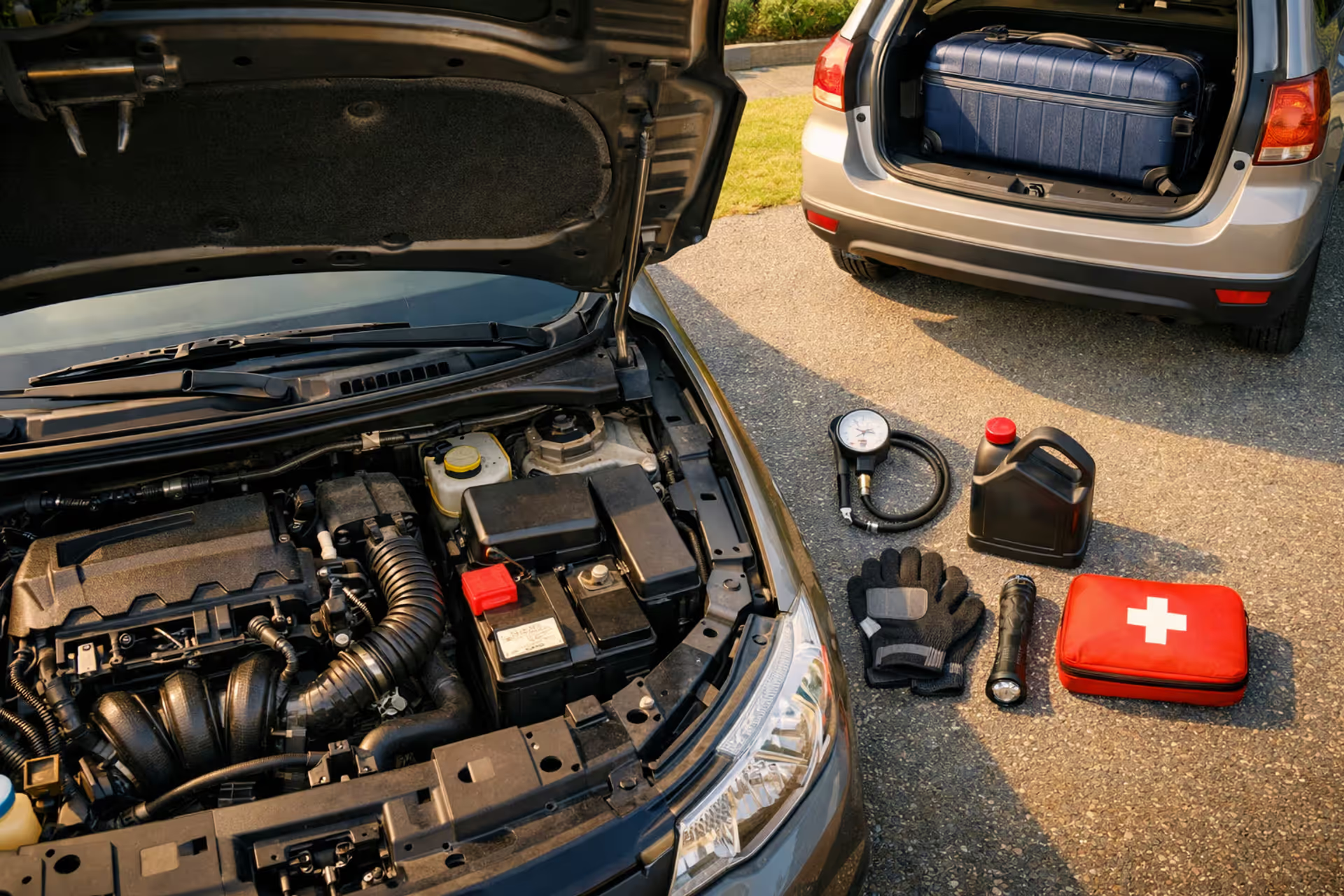
Car with open hood parked in driveway with tire gauge oil canister flashlight and first aid kit laid out on ground before a family road trip
How to Prepare Your Car for Long Trips: A Complete Safety and Maintenance Guide

AAA dispatches help to over 32 million stranded motorists annually across America. Here's what stings: during summer vacation season and major holidays, a huge chunk of those emergency calls come from families whose trips went sideways because of car trouble that showed warning signs weeks earlier.
Think about it. A battery that won't turn over in your driveway? Annoying, sure. That same dead battery leaving you stuck 200 miles into nowhere with three kids, two dogs, and a trunk full of luggage? Now you're looking at tow trucks charging premium rates, mechanics who know you're desperate, and possibly an unplanned hotel stay while parts get ordered.
Emergency roadside repairs typically run double or triple what you'd pay at your regular shop back home. But there's something beyond money at stake here. When you've done your homework and checked everything that matters, you actually enjoy the drive instead of white-knuckling the steering wheel every time you hear something unfamiliar.
Just a few hours of smart preparation separates vacations you remember fondly from nightmares you're still complaining about years later.
Why Vehicle Preparation Matters Before Long-Distance Driving
Your typical weekday drive to work covers maybe 12 miles on streets you could navigate blindfolded. Your mechanic's shop? Five minutes away. Your own garage with all your tools? Right there.
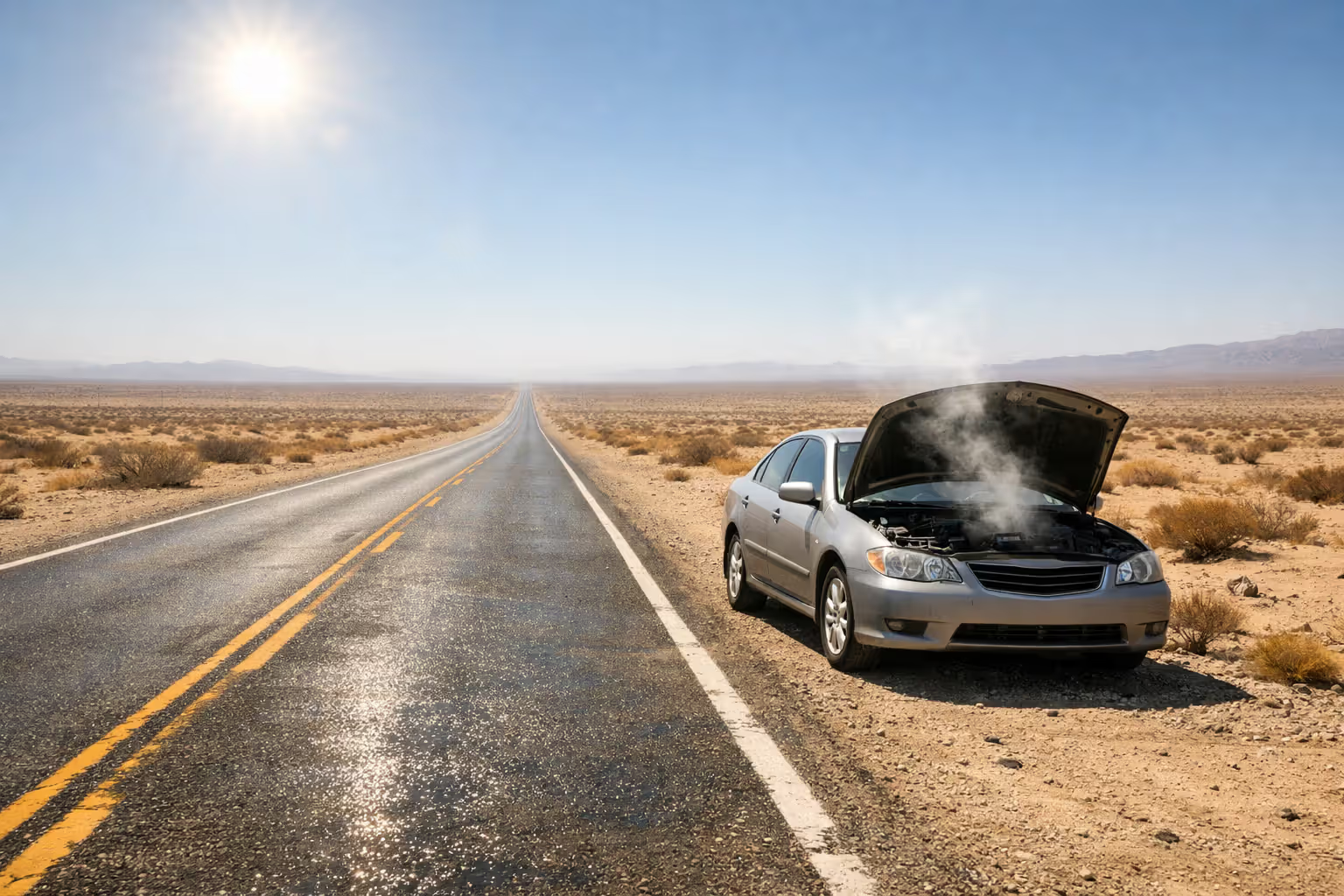
Now picture a 1,200-mile haul across three states. You're climbing mountain passes, crossing deserts where it hits 110°F by noon, or maybe pushing through a late-season cold snap. Your engine runs at 75 mph for hours straight—not the stop-and-go routine it knows from your commute.
Long-distance driving exposes every weak point your car has been hiding. That battery holding just enough charge to start your engine for short trips? It'll quit on you after sitting overnight in 20-degree weather at a mountain campground. Tires worn down to 4/32" tread? They'll handle dry roads okay but become skating rinks the moment you hit rain.
AAA surveys show roughly one-third of American drivers are rolling around in vehicles that would flunk a basic safety inspection. That's a scary number when you realize most car problems announce themselves weeks ahead—weird noises, dashboard lights, small leaks. People just ignore them until something breaks completely.
Getting your car ready before travel does more than prevent breakdowns. Tires inflated to the right pressure improve your gas mileage by 3%. Your safety equipment actually works when you need it. And you avoid situations where a $150 inspection and minor fixes turn into a $1,500 disaster involving tow trucks, hotel rooms, and mechanics who charge whatever they want because what choice do you have?
Author: Lena Prescott;
Source: shafer-motorsports.com
Essential Mechanical Checks: Your Pre-Trip Inspection Checklist
A solid pre trip inspection checklist hits three big areas: your engine fluids and filters, your tires and braking system, and everything electrical. Each one plays a starring role in road safety preparation vehicle owners need to take seriously.
Fluids, Filters, and Engine Components
Pop your hood and pull the oil dipstick. You're not just checking the level—look at what the oil actually looks like. Good oil has a clean amber color and runs smoothly when you tilt the dipstick. If it's black and gritty like coffee grounds, change it even if you're technically within the mileage window. Planning to rack up miles that'll push you past your change interval? Get it done now, not later.
Coolant keeps your engine from turning into a 400-pound paperweight on a hot day. Find the translucent overflow tank (usually near the radiator) and check it before you start the engine—never when it's hot unless you enjoy hospital visits. Your coolant should look bright—green, orange, or pink depending on what type your car uses. Rust-colored or cloudy coolant means contamination. Most cars need fresh coolant every 30,000-50,000 miles, but check your manual.
Brake fluid lives in a small reservoir, typically mounted on the firewall. It should sit somewhere between the minimum and maximum lines. Here's what matters more: color. New brake fluid looks clear or light amber. Dark brown fluid has absorbed moisture and won't perform as well under hard braking—especially dangerous on long downhill grades where your brakes heat up.
Don't forget power steering fluid, transmission fluid, and windshield washer fluid. Each one supports something critical. Your transmission slipping into "limp mode" halfway up a mountain pass turns scenic views into panic attacks.
Tires, Brakes, and Suspension Systems
Tire failures lead the breakdown statistics during road trips. Highway speeds create heat, and heat finds every weakness—low pressure, worn tread, old rubber degrading from the inside.
Grab a decent tire gauge and check all four corners plus your spare. Do this first thing in the morning or several hours after your last drive—driving heats up tires and gives false readings. The right pressure is printed on a label inside your driver's door frame. That number stamped on the tire sidewall? That's the maximum the tire can handle, not what you should actually use. Running 5-8 PSI low makes tires overheat and risk blowouts. Pumping them too hard reduces traction and makes your ride feel like a grocery cart with a stuck wheel.
Test your tread with a penny. Stick it into the grooves with Lincoln upside down. Can you see the top of his head? You're below 2/32" and legally bald. For highway safety with any chance of rain, 4/32" is the smart minimum.
Walk around and eyeball the sidewalls. Bulges, cracks, or cuts mean replacement now, not later. Look for weird wear patterns too—one edge worn more than the other, cupping, or scalloped patches. These signal alignment or suspension problems that'll get worse fast under loaded highway driving.
Checking brakes properly requires pulling the wheels off, but you can catch obvious problems. Press the brake pedal with the engine running. It should feel solid and stay put, not sink slowly toward the floor or feel mushy. Hear grinding, squealing, or groaning when you brake? That's your car literally screaming for help.
Suspension issues show themselves through behavior. Your car pulls left or right. It bounces like a boat after hitting bumps. One corner sits lower than the others. Any of these mean a mechanic needs to check your shocks, struts, and alignment before you leave town.
The best car safety device is a rear-view mirror with a cop in it
— Dudley Moore
Battery, Lights, and Electrical Systems
Batteries give zero warning before they die. If yours is three or four years old, you're living on borrowed time. Most auto parts stores test batteries for free—five minutes that could save you from a morning spent waiting for a jump.
Look at your battery terminals. See white, green, or blue crusty stuff? That's corrosion blocking electrical flow. Clean it off. Grab the cables and wiggle them—they should be tight, not loose enough to move.
Walk around your car at dusk and check every light: headlights on low beam and high, turn signals front and back, brake lights, reverse lights, license plate lights. A dead brake light makes you invisible to the driver texting behind you. It also gives cops an easy excuse to pull you over.
Test your wipers on a wet windshield. They should clear water in one clean sweep without leaving streaks, jumping around, or making sounds like a dying cat. Sunlight breaks down rubber, so you probably need new blades every year. Thirty bucks for fresh blades beats trying to see through streaky glass in a thunderstorm.
| Component | What to Inspect | Recommended Frequency | Red Flags to Address Immediately |
| Engine oil | Level, appearance, texture | Every 5,000-7,500 miles | Black gritty texture, low reading, puddles underneath |
| Coolant | Level, appearance, mixture strength | Every 30,000-50,000 miles | Rust-colored liquid, low level, puddles, sweet odor near car |
| Brake fluid | Level, appearance, moisture absorption | Every 2-3 years | Dark brown appearance, spongy pedal feel, reading below minimum |
| Tire tread/pressure | Depth measurement, wear evenness, PSI reading | Monthly, always before long drives | Depth under 4/32", bulging sidewalls, cracking, one-sided wear |
| Battery terminals | Corrosion presence, cable security, charge level | Every 6 months, test at 3 years old | Crusty buildup, wiggling cables, slow cranking, age over 3 years |
| Wiper blades | Rubber quality, clearing ability | Annually | Leaving streaks, hopping across glass, torn edges, screeching sounds |
| Belts/hoses | Crack visibility, fraying, texture, leak signs | Every 50,000 miles | Visible splitting, shiny glazed surface, spongy feel when squeezed, swollen areas |
| Air filter | Dirt accumulation, airflow restriction | Every 15,000-30,000 miles | Obviously dirty when viewed, sluggish acceleration, worse fuel economy |
Road Safety Equipment and Emergency Supplies to Pack
Even cars that get perfect checkups encounter trouble. You hit a nail that wasn't there a second ago. Road debris flies up and cracks something. Another driver does something stupid and you're left dealing with the aftermath. Smart emergency preparation driving means having the right stuff when everything goes wrong.
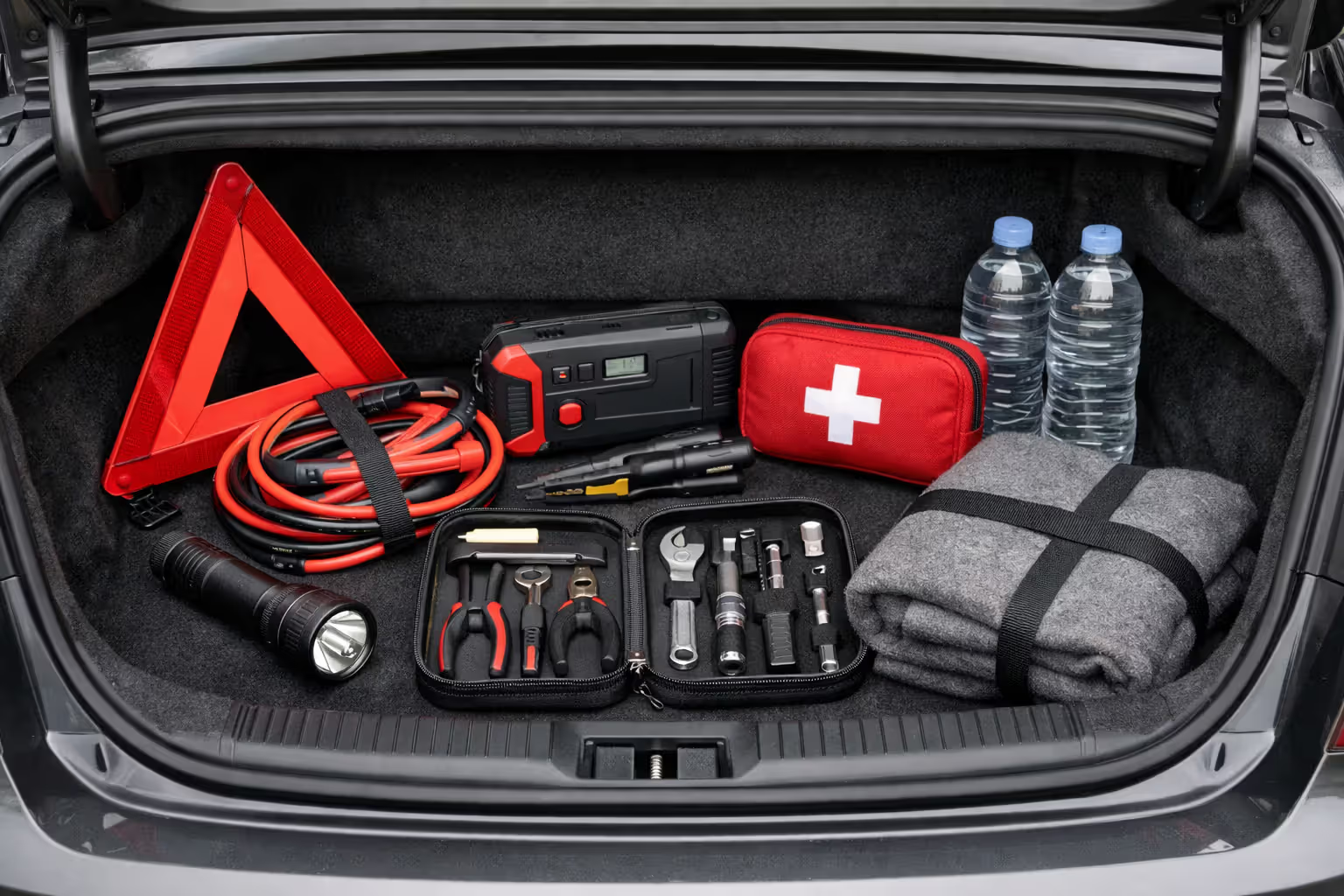
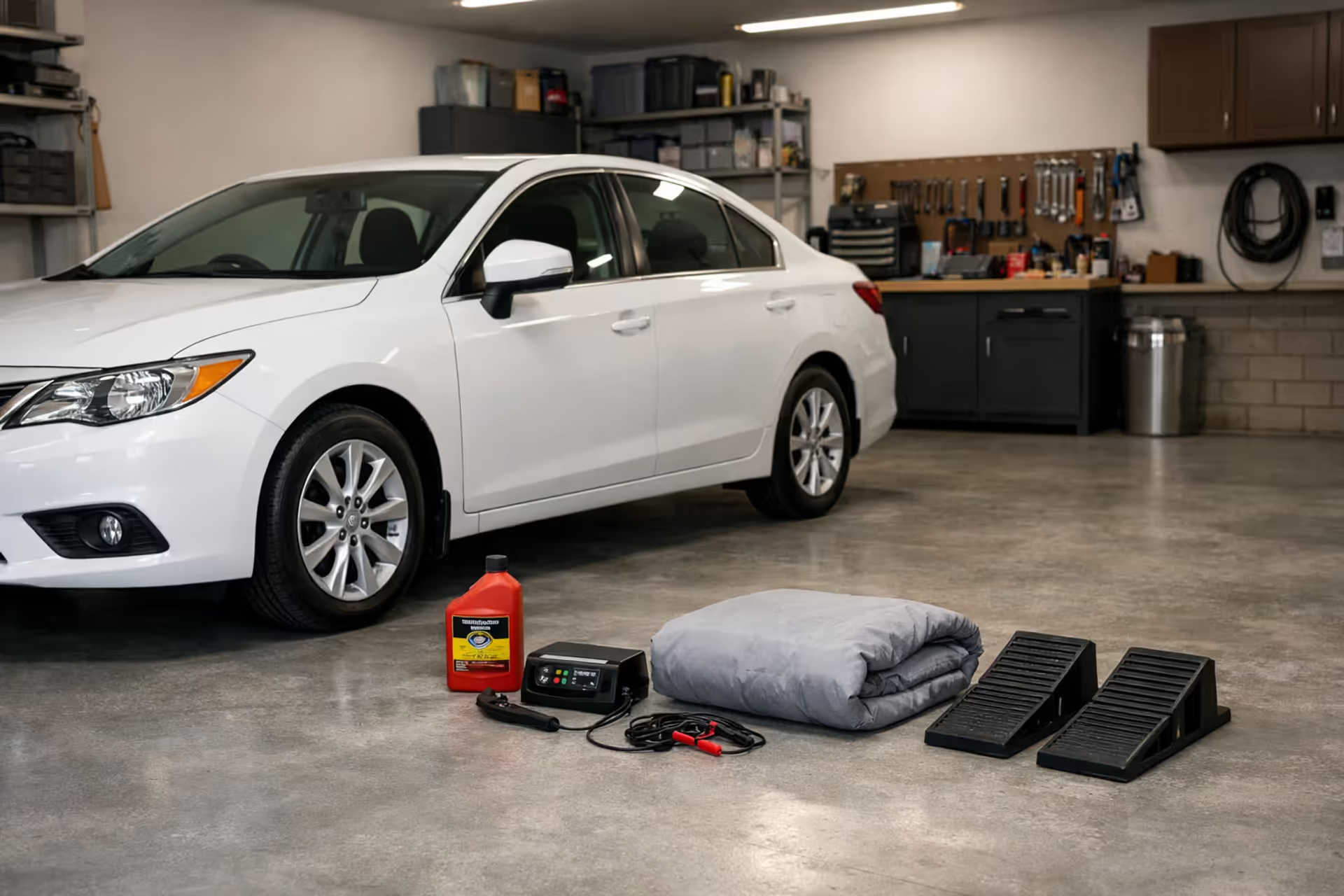
Start with what should already be in your trunk: a fully inflated spare tire (or tire repair kit for run-flats), jack, and lug wrench. Scary truth: lots of people discover their spare is flat only when they desperately need it. Check yours right now.
Build a real first aid kit—not the joke ones with three band-aids. Include various bandage sizes, gauze pads, medical tape, antiseptic wipes, pain relievers, tweezers, scissors, and any prescription meds your family takes regularly.
Jumper cables or a portable jump starter save you when your battery gives up. Those new lithium jump starters are game-changers—they're small enough for your glove box, hold a charge for months, and work without needing another car nearby.
Pack a flashlight with fresh batteries, or get one of those hand-crank models that never dies. Changing a tire or diagnosing an engine problem in pitch darkness without light? Miserable and dangerous.
LED emergency flares or reflective triangles warn other drivers when you're stopped on the shoulder. LED versions are reusable and visible from farther away than traditional flares.
Throw in basic tools: both screwdriver types, an adjustable wrench, pliers, duct tape, and zip ties. You won't rebuild a transmission with these, but you can jury-rig a loose part or make temporary fixes until you reach help.
Your travel readiness checklist needs phone charging backups. Car charger for sure, but also a battery pack for when your car's electrical system quits completely. Download offline maps for your route before leaving—GPS satellites work everywhere but loading map tiles needs data.
Author: Lena Prescott;
Source: shafer-motorsports.com
Season matters. Summer trips need extra drinking water and water for your radiator if it overheats, sunscreen, and a hat with a brim. Winter travel requires blankets, extra warm layers, an ice scraper, a small shovel, and sand or cat litter for traction when you're stuck on ice.
When to Schedule Professional Maintenance vs. DIY Checks
Not everything needs a mechanic. Checking fluid levels, tire pressure, and lights? You can handle that. These tasks take maybe 20-30 minutes and don't cost anything except your time.
But certain jobs demand specialized equipment or skills. Brake inspections mean removing wheels and measuring components with precision tools. Alignment requires computerized diagnostic equipment. Transmission service involves specific fluid types and exact procedures. Trying these without proper training and equipment often creates worse problems than you started with.
Here's an easy rule: if you're looking at something, topping it off, or cleaning it, you can probably DIY. If you're removing parts, adjusting calibrations, or replacing components, get professional help unless you've got serious mechanical experience.
Timing your professional maintenance matters. Don't book an appointment the day before you leave. Schedule 1-2 weeks out, giving yourself buffer time for whatever the mechanic discovers. If they find a problem requiring parts or extensive work, you've got breathing room to get it fixed without pushing back your departure.
Cost surprises people. A thorough pre-trip inspection at a reputable shop runs $50-100. They might find a worn belt that costs $75 to replace right now. Skip it, and that belt snaps 500 miles from home. Now you're paying $300 for towing plus $150 for the repair (unfamiliar shops charge more) plus hotel costs if the fix takes overnight. Preventive maintenance isn't spending—it's insurance that pays for itself.
Sometimes maintenance timing aligns naturally with trip planning. Oil change due within 1,000 miles and you're planning 3,000 miles of driving? Do it before you leave. Tires at 5/32" tread and facing a cross-country drive? Replace them now instead of gambling on worn rubber. Maintenance intervals assume normal driving—extended highway trips are harder on vehicles than short commutes.
Before anything else, preparation is the key to success
— Alexander Graham Bell
Planning for Reliability: Route Considerations and Backup Strategies
Reliability planning trips goes beyond fixing your car. Smart route planning cuts risk dramatically.
Study your route and mark service stations, especially through remote stretches. I-70 through central Utah between Green River and Salina runs 110 miles with almost nothing in between. Knowing this ahead of time means you fill up at Green River instead of watching your fuel gauge drop while passing tumbleweeds.
Download offline maps for everywhere you're going. Google Maps and Apple Maps both let you download entire regions. When you lose cell signal in mountains or rural areas—which happens constantly—your navigation keeps working.
Share your complete itinerary with someone staying home. Include your planned route, overnight stops, and when you expect to arrive. If things go sideways, someone knows where to start looking.
Think about roadside assistance membership. AAA, Better World Club, and many insurance companies offer programs covering towing, jump starts, flat tire changes, and more. Annual membership runs $60-120—less than one towing call. Some credit cards include roadside assistance automatically, so check before buying duplicate coverage.
Watch weather forecasts for your entire route, not just your destination. Sunny skies at the beach don't help when you're driving through severe storms to get there. Apps like Weather Underground show forecasts along your path, not just single locations.
Build schedule flexibility. Aggressive timelines pressure you into driving through problems instead of stopping to fix them properly. If you absolutely must arrive by a specific time, leave a day early or consider flying instead.

Author: Lena Prescott;
Source: shafer-motorsports.com
Common Mistakes That Leave Drivers Stranded on Road Trips
Even experienced drivers make dumb mistakes when preparing car for long trips. Recognizing these pitfalls helps you dodge them.
Ignoring dashboard warning lights tops every list. That check engine light glowing for months might signal something minor—or something catastrophic about to happen. Get it diagnosed. Even if the problem isn't urgent, a lit warning light masks new issues. When a second problem crops up, you won't know because the light's already on.
Skipping tire pressure checks because "they look fine" kills people. Tires lose 1-2 PSI monthly through normal air permeation. A tire running 8 PSI low might not look dramatically deflated but generates way more heat at highway speeds. Check with a gauge, not your eyes.
Overloading your vehicle stresses every system. Engines strain harder, transmissions overheat, brakes wear faster, tires carry more weight than engineers designed them for. Your vehicle's load capacity is listed on the door jamb sticker—that includes passengers, luggage, everything. Maxing it out? Leave stuff behind or rent a cargo carrier.
Ignoring seasonal preparation causes predictable failures. Summer heat overwhelms cooling systems—coolant that works fine in April fails in July. Winter cold murders weak batteries and turns fluids into molasses. Prepare for the conditions you'll face, not the weather in your driveway.
Assuming your spare tire works without checking it might be the most common mistake ever. A flat spare is useless. Verify it holds air and the jack and lug wrench are actually in your trunk and functional.
Delaying maintenance because "it's not quite due yet" backfires spectacularly. You're 500 miles from your next oil change and planning 2,000 miles of driving? Change it before leaving. Maintenance schedules assume normal driving patterns. Extended highway driving beats up cars harder than short daily commutes.
FAQ: Your Questions About Travel Readiness Answered
How far in advance should I prepare my car for a long road trip?
Start 2-3 weeks out. This window lets you schedule professional inspections, order parts if needed, and complete repairs without rushing. For DIY stuff like checking tire pressure and fluid levels, do it 1-2 days before you leave since conditions change. Never do major maintenance the day before departure—if something goes wrong or a new problem pops up, you're scrambling with no time to fix it properly.
What's the minimum tire tread depth safe for highway driving?
Most states say 2/32" is legal, but that's dangerously inadequate. At 2/32", your tires have virtually no wet traction left and hydroplane at the slightest puddle. For highway driving with any possibility of weather, 4/32" is the realistic minimum. If your tires measure 4/32" or less before a long trip, replace them first. The penny test gives you a quick answer: stick a penny in upside down with Lincoln's head down—seeing all of his head means you're at or below 2/32" and need immediate replacement.
Do I need different preparations for summer vs. winter road trips?
Absolutely. Summer prep focuses on cooling system health—verify coolant level and condition, make sure your radiator cap seals correctly, confirm the cooling fan kicks on. Pack extra water for drinking and potentially for an overheated radiator. Winter prep centers on battery condition (cold weather cuts capacity by 30-50%), antifreeze concentration (test with a hydrometer to ensure protection at expected temperatures), and tire traction. All-season tires lose serious grip below 40°F; winter tires provide dramatically better traction in cold. Both seasons need good wiper blades and adequate washer fluid.
How much does a pre-trip vehicle inspection cost at a mechanic?
Most shops charge $50-100 for a comprehensive pre-trip inspection covering all major systems. Some dealerships offer free multi-point inspections hoping to earn your repair business. The inspection identifies problems but doesn't include fixing them—repairs cost extra. You're not obligated to use that shop for repairs though. Get a written list of what they found and decide what to fix and where. For major trips, this inspection cost makes sense even if nothing needs work—you gain confidence knowing your car's actual condition.
What should I do if a warning light appears during my trip?
Don't panic, but don't ignore it. Some lights mean stop immediately: red temperature warning (overheating), red oil pressure warning (losing lubrication), or red brake warning (brake system failure). Pull over safely, shut off the engine, and call for help. Other lights like check engine (amber) or tire pressure (amber) indicate problems needing attention but typically don't require immediate stopping. Slow down, avoid aggressive driving, and get to a service station or safe spot. Many auto parts stores scan diagnostic codes free and explain what they mean, helping you decide whether to continue or seek immediate repair.
Is roadside assistance worth it for long-distance travel?
For most people, definitely. Basic AAA membership costs around $60 yearly and includes four service calls with towing up to 5-7 miles (longer with premium levels). One towing call without membership typically costs $75-150. Beyond towing, you get battery jump starts, flat tire changes, fuel delivery when you run dry, and lockout service. The value increases for trips through remote areas where towing distances are longer and service is scarce. Many insurance companies offer similar programs at comparable prices. If your car is older or you're traveling with family, the peace of mind alone justifies the cost.
Conclusion
Getting your car ready for distance driving takes more effort than your daily routine, but investing a few hours and modest money pays off in safety, reliability, and actually enjoying your trip instead of stressing about breakdowns. The systematic approach here—checking fluids and filters, inspecting tires and brakes, verifying electrical systems, packing emergency gear, and planning your route strategically—addresses what actually leaves people stranded.
The gap between drivers who cruise through road trips and those stuck on roadsides usually traces back to preparation. Your battery doesn't care that you're 300 miles from home with your whole family aboard. Worn tires don't give you a pass because you're on vacation. Mechanical components follow physics, not human schedules or hopes.
Begin early, tackle issues systematically, and don't cheap out on safety-critical items. The hour you invest checking your car before leaving could save you from a full day stranded beside the highway. That math works every single time.
Related Stories

Read more
Read more


The content on Auto Insights is provided for general informational and educational purposes only. It is intended to offer guidance on car buying, vehicle ownership, finance, insurance, EVs, maintenance, accessories, reviews, and related topics, and should not be considered professional financial, legal, insurance, mechanical, or investment advice.
All information, tools, calculators, comparisons, and recommendations presented on this website are for general guidance only. Individual financial situations, driving habits, vehicle conditions, insurance policies, and market factors vary, and actual results or costs may differ from estimates provided.
Auto Insights makes no guarantees regarding accuracy, completeness, or current applicability of the information, as automotive markets, regulations, incentives, interest rates, and vehicle specifications may change over time.