
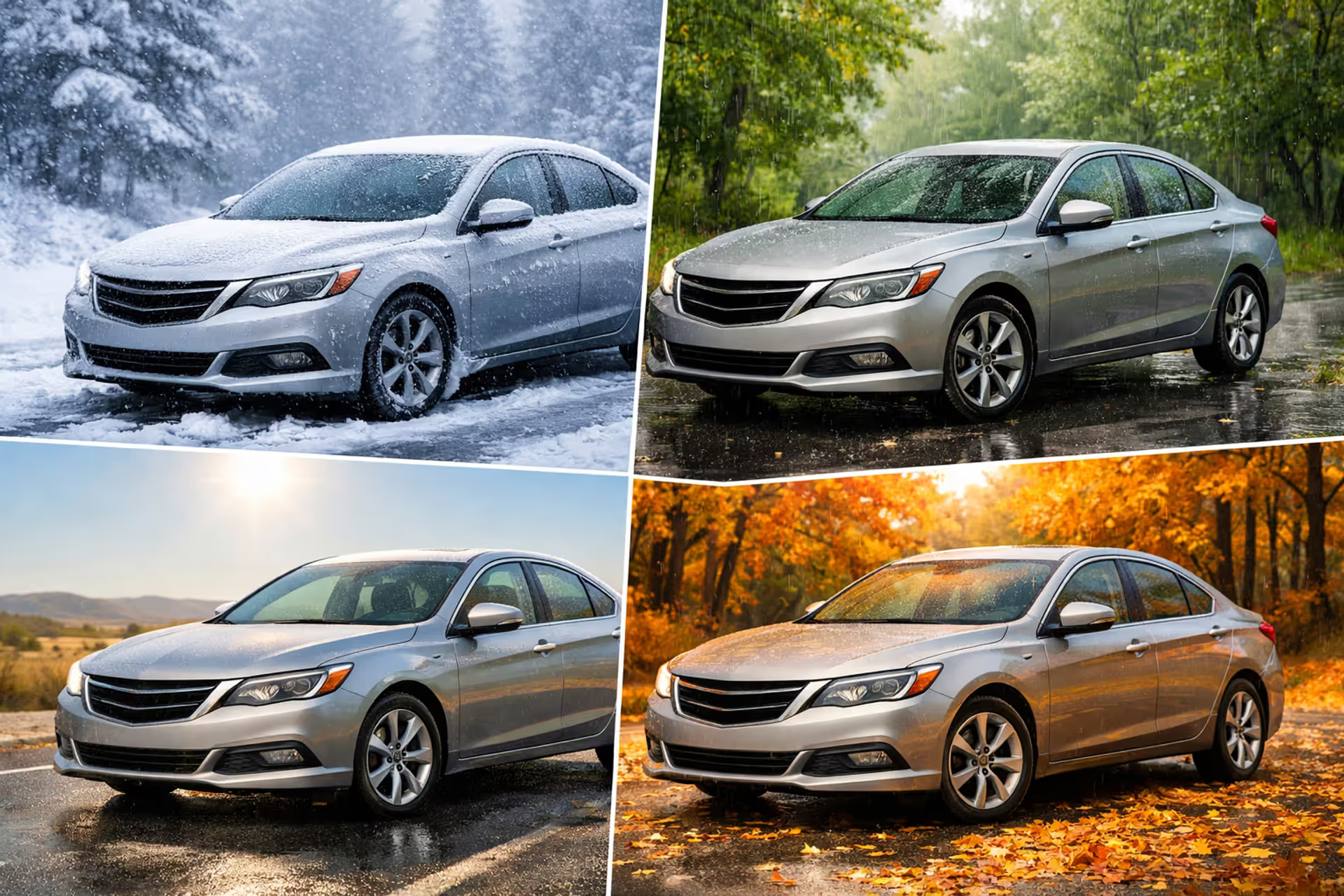
A car shown across four seasons — winter snow, spring rain, summer heat, and autumn leaves — representing year-round seasonal vehicle maintenance
Seasonal Car Ownership Prep: Your Year-Round Vehicle Maintenance Guide

Most vehicle owners practice reactive rather than preventive care. They respond to breakdowns instead of preventing them. The battery fails during the year's harshest cold snap. The cooling system gives out halfway through a family vacation in August. These scenarios aren't accidents of bad luck—they're predictable outcomes when seasonal vehicle preparation gets postponed or ignored.
Vehicles endure wildly different operating conditions throughout the calendar year. Freezing temperatures change how fluids behave and challenge electrical systems. Extreme heat degrades rubber components and pushes cooling capacity to its limits. Treating these recurring environmental challenges as optional concerns doesn't just increase breakdown risk; it accelerates component wear that eventually demands expensive replacement.
Why Seasonal Maintenance Matters More Than You Think
AAA's 2022 research revealed that roughly one-third of U.S. drivers dealt with at least one vehicle failure requiring assistance. The data showed clear clustering during extreme temperature months—the highest incident rates appeared in January and July. These weren't exclusively aging vehicles with deferred maintenance. Many affected cars were relatively new but hadn't received climate-appropriate preparation.
The economic logic is compelling. Comprehensive winter preparation typically costs between $150-$250. Compare that to replacing a battery that failed from inadequate cold-weather care at $200-$300, plus towing expenses and lost time. Summer cooling system failures can demand $800-$1,500 in emergency repairs. Strategic seasonal maintenance delivers returns of three-to-five times the initial investment by addressing minor concerns before they multiply into major problems.
Where you live dramatically influences what your vehicle endures. Phoenix-area cars battle intense ultraviolet exposure and underhood heat that deteriorates hoses and belts at accelerated rates. The identical vehicle in Minneapolis confronts road salt corrosion and annual temperature ranges exceeding 100 degrees. Charleston's coastal humidity promotes rust formation in concealed structural areas. Standard factory maintenance schedules weren't designed for these regional variations.
Establishing an ownership routine seasonal approach isn't complex, but it demands advance planning. The majority of climate-related breakdowns happen because drivers recognize they should prepare but procrastinate until conditions force the issue. Beginning your seasonal preparations six to eight weeks before temperature extremes arrive provides adequate time to resolve discovered issues without emergency premiums or appointment scarcity.
Pre-Winter Vehicle Prep: Your Complete Winterizing Checklist
Winter creates the harshest operating environment for automobiles. Freezing conditions can reduce battery output by one-third to one-half. Lubricants increase in viscosity. Rubber materials lose flexibility and develop cracks. De-icing chemicals promote aggressive corrosion. An effective winterizing vehicle checklist systematically addresses each vulnerability.
Battery, Fluids, and Cold-Weather Essentials
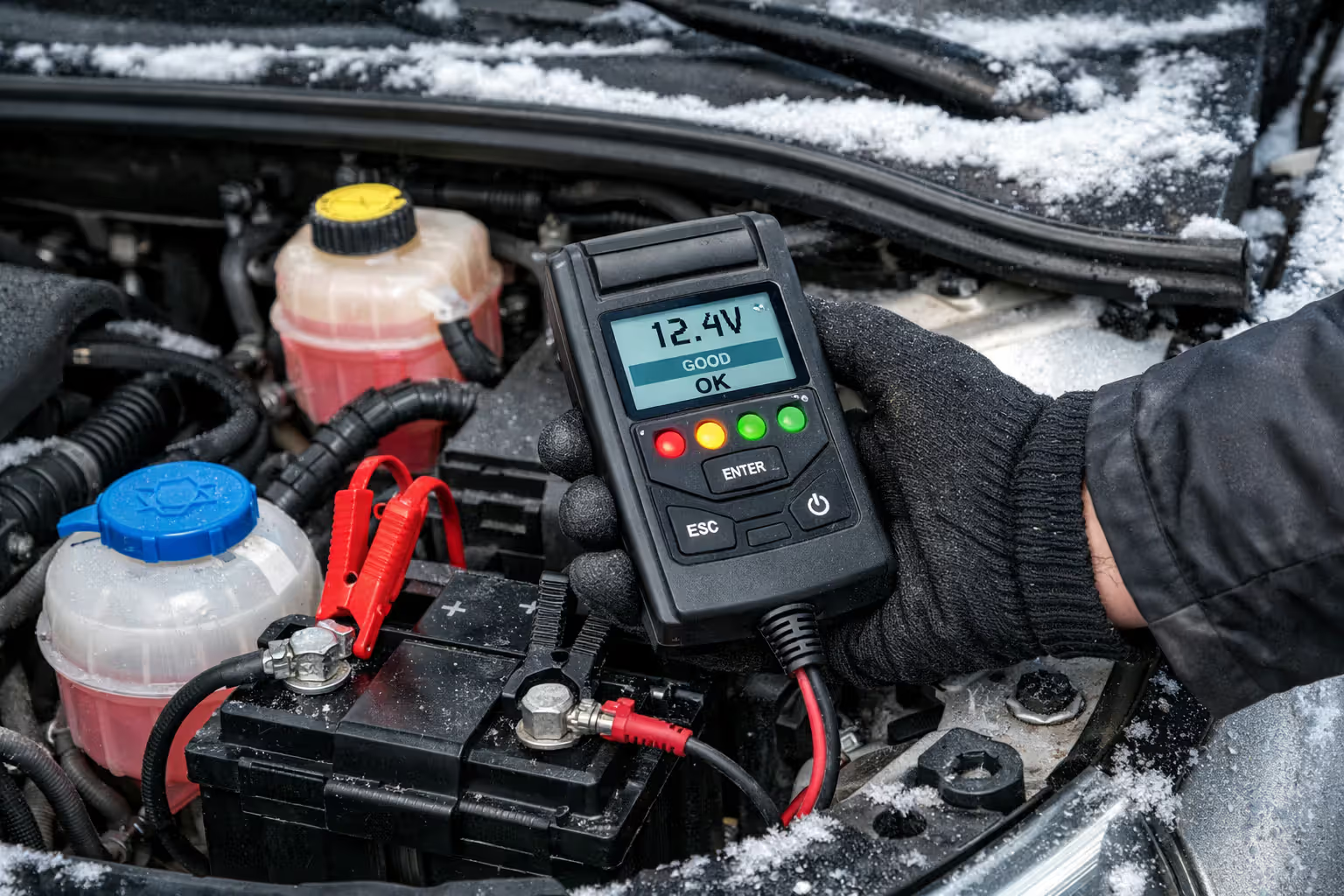
Your vehicle's battery represents the most critical element for cold-weather reliability. Schedule a comprehensive load test during October or the first half of November—many automotive retailers provide this testing without charge. Any battery beyond its third year showing resting voltage below 12.4 volts deserves replacement before winter arrives. Gambling on "maybe it'll survive one more season" is poor economics when towing charges exceed battery replacement costs.
Terminal corrosion requires thorough cleaning. Even minor buildup creates electrical resistance that interferes with charging and starting. A dedicated wire brush and simple baking soda solution requires minimal time but can prevent a morning when your car refuses to start.
Motor oil viscosity selection becomes particularly important during cold months. When your owner's manual specifies a winter-appropriate option (such as 0W-20 versus 5W-30), make that switch. The lower initial number indicates improved flow characteristics when cold, minimizing startup wear on internal components. Synthetic formulations provide superior cold-flow performance compared to conventional oils—the additional $20-$30 investment pays dividends during freezing months.
Your coolant mixture concentration requires verification. A balanced fifty-fifty ratio of antifreeze and water provides protection down to approximately negative thirty-four degrees Fahrenheit. Areas experiencing more severe cold require adjustment toward sixty-forty (antifreeze to water) for protection reaching negative sixty-two degrees. Excessive antifreeze concentration actually reduces protection, so avoid simply adding undiluted antifreeze. Utilize a refractometer or testing strips—estimation methods lead to frozen engines or overheating issues.
Windshield washer fluid appears trivial until you're navigating through road spray and visibility disappears. Transition to winter formulations rated for at least negative twenty degrees. Summer varieties freeze inside delivery lines and can fracture the reservoir. Fill the system completely—winter consumption exceeds other seasons significantly.
Author: Brianna Lowell;
Source: shafer-motorsports.com
Tire Selection and Pressure Adjustments for Winter
All-season tire compounds lose considerable grip once temperatures fall below forty degrees Fahrenheit. Their rubber formulations stiffen, diminishing traction even on cold dry pavement—let alone snow or ice-covered surfaces. Anywhere experiencing consistent winter conditions, dedicated cold-weather tires aren't luxury accessories but fundamental safety equipment.
The performance contrast is substantial. Winter-specific tires employ compounds maintaining flexibility in freezing temperatures and tread designs that grip snow while channeling away slush. Stopping distance improvements on icy surfaces can reach thirty to forty percent compared to all-seasons. That margin often determines whether you stop safely or not.
Install winter tires as complete sets of four. Mixing tire categories creates unpredictable vehicle behavior. Many drivers in snow-belt regions maintain separate wheel sets and perform seasonal swaps—the initial expense spreads across multiple years while both sets experience extended service life.
Air pressure decreases approximately one pound per square inch for each ten-degree temperature drop. Tires properly inflated during seventy-degree September weather will measure five to six PSI low when temperatures reach twenty degrees. Monthly pressure verification through winter with adjustments to door-placard specifications is essential. Insufficient inflation reduces fuel efficiency, accelerates wear, and compromises handling characteristics.
The bitterness of poor quality remains long after the sweetness of low price is forgotten
— Benjamin Franklin
Protecting Your Car's Exterior and Undercarriage
Road de-icing chemicals are remarkably corrosive. They penetrate every accessible space, attacking metal surfaces and promoting rust that destroys structural integrity. Pre-winter protection reduces long-term corrosion damage that erodes resale value.
Apply premium wax or paint sealant before winter begins. This establishes a protective barrier between painted surfaces and salt contamination. Concentrate on lower body panels, wheel well areas, and regions behind bumper covers where salt concentrates.
Undercarriage protection carries greater importance. Many quick-service facilities offer oil-based undercoating application for $50-$100. This treatment coats exposed frame metal, suspension hardware, and underbody panels. The process is messy but proves effective. Annual reapplication maintains optimal protection.
Regular vehicle washing throughout winter, particularly undercarriage attention, is crucial. Many automated car washes include underbody spray features. Schedule these services especially after temperature fluctuations when salt has been actively working. Allowing salt accumulation for extended periods multiplies corrosion damage exponentially.
Inspect and replace deteriorated wiper blades before winter conditions arrive. Winter-specific blades featuring rubber protective boots prevent ice accumulation on the blade structure. Visibility already suffers during winter weather—don't compound problems with streaking, chattering blades that obscure your view.
Getting Your Car Ready for Summer Heat and Road Trips
Summer heat challenges vehicles more than most owners appreciate. Underhood temperatures during stop-and-go traffic can exceed two hundred fifty degrees Fahrenheit. Dashboard surfaces in direct sunlight reach one hundred eighty degrees. These extremes degrade materials, stress cooling capacity, and trigger failures that leave drivers stranded.
Cooling System and AC Maintenance
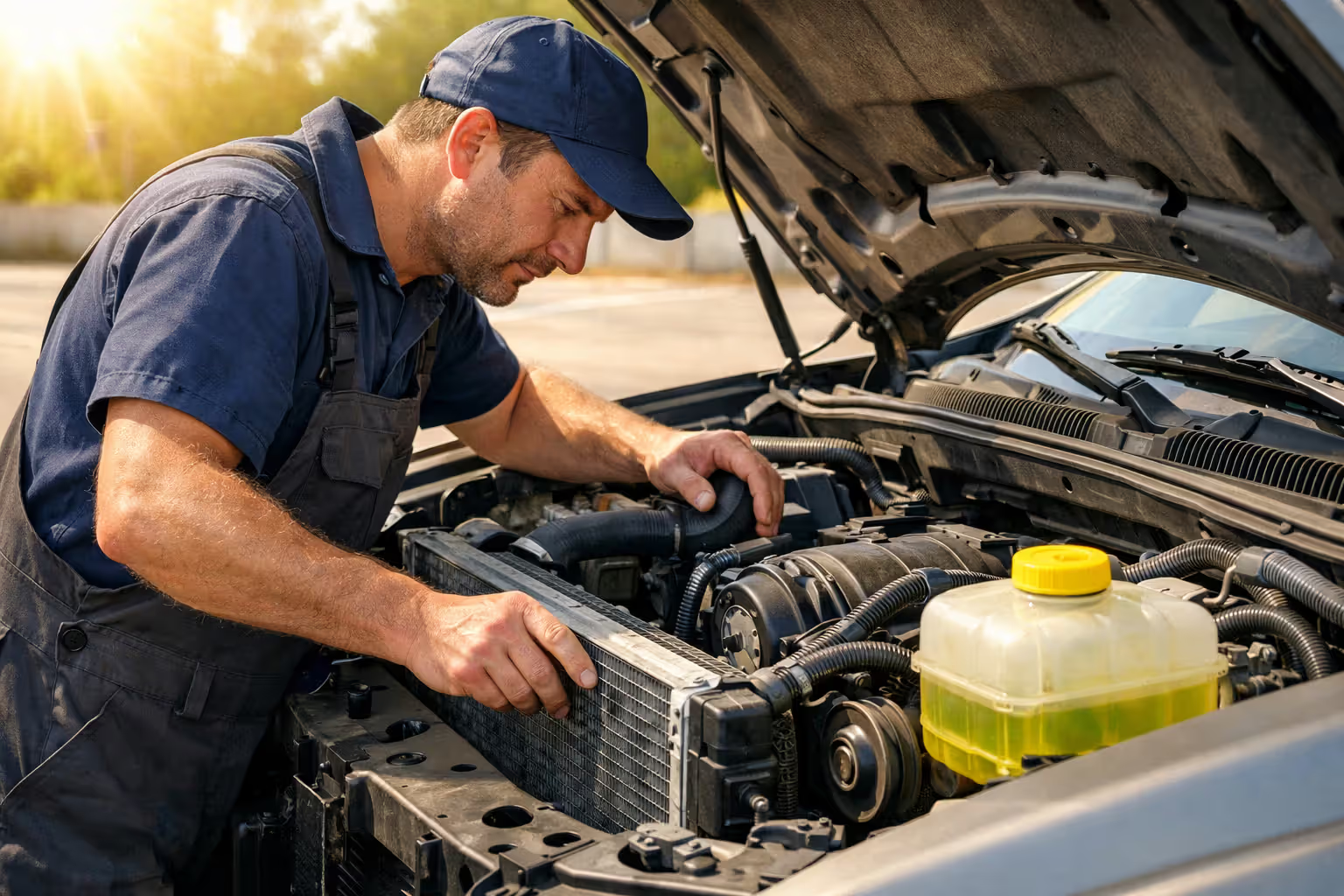
Your vehicle's cooling system faces maximum demands during summer months. A system barely maintaining adequate performance during spring will experience overheating in July congestion. May represents the optimal timing for comprehensive cooling system evaluation—before highway breakdowns occur.
Verify coolant level when the engine is completely cold. Insufficient coolant means reduced heat transfer capacity and potential air pocket formation that creates localized hot spots. Regular coolant additions signal leaks requiring repair before summer.
Conduct thorough hose and belt examination. Search for surface cracking, soft deteriorated areas, or bulging sections in hoses. Assess belt tension and condition—glazed or frayed serpentine belts fail without warning, immediately disabling your water pump and alternator. Most belts provide sixty thousand to one hundred thousand miles of service, but heat exposure accelerates deterioration. Replace anything showing questionable condition.
Radiator cap condition influences overall system performance. Weakened caps allow coolant boiling at reduced temperatures. Caps cost ten to fifteen dollars. Preventive replacement every several years makes economic sense.
The radiator core requires cleaning attention. External accumulation—insect debris, plant material, dirt—obstructs airflow and diminishes cooling efficiency. Gentle garden hose spray from the engine compartment side dislodges debris. Avoid high-pressure washing that bends delicate cooling fins.
Air conditioning maintenance prevents mid-summer system failures. Schedule system evaluation during April or early May. Refrigerant level, compressor function, and condenser condition all require professional verification. An air conditioning system providing marginal cooling in May will fail completely during August heat. System recharging costs $100-$200. Compressor replacement after failure from refrigerant starvation demands $800-$1,500.
Replace the cabin air filter before summer driving begins. Clogged filters restrict airflow volume, forcing your air conditioning to work harder while delivering less cooling effectiveness. Most cabin filters require replacement every fifteen to twenty thousand miles but often get overlooked.
Author: Brianna Lowell;
Source: shafer-motorsports.com
Preventing Sun Damage and Interior Protection
Ultraviolet radiation combined with extreme heat destroys vehicle interiors progressively. Dashboard cracking, upholstery fading, and plastic brittleness all result from heat exposure. Prevention costs far less than repair or replacement.
Utilize windshield sunshades when parking. Reflective surfaces reduce interior temperatures by twenty to thirty degrees Fahrenheit while blocking ultraviolet rays that crack dashboard materials. Quality sunshades cost fifteen to thirty dollars and provide years of service.
Seek shade parking whenever available. Even partial shade provides significant heat reduction benefits. Garage parking becomes most valuable during summer—that's when protection matters most.
Apply UV protectant products to leather and vinyl interior surfaces. These formulations create defensive barriers against sun damage. Apply treatments every two to three months throughout summer. Cracked dashboards and damaged leather seats resist practical repair; protection represents the only viable strategy.
Monitor tire pressure more frequently during hot months. Heat causes air expansion inside tires. Excessive pressure from temperature increases creates uneven wear and increases blowout risk. Check pressure during cool morning hours before driving.
Summer heat preparation car protocols should include spare tire verification. Many drivers discover their spare is deflated when they actually need it. Verify pressure and overall condition during spring preparation so it's ready for summer travel emergencies.
Spring and Fall Transition Maintenance You Shouldn't Skip
Spring and fall don't require the extensive preparation associated with winter and summer, but they serve as critical assessment periods. These transitional seasons involve rapid temperature fluctuations that stress components differently than sustained extremes.
Spring functions as damage assessment season. Examine for winter-related problems: rust formation starting in wheel wells, cold-cracked hoses, battery deterioration that barely provided adequate winter performance. Address discovered issues before summer heat intensifies them.
Verify air conditioning functionality in April, not June. If service is required, you'll avoid the seasonal rush and inflated pricing that arrives when everyone's system fails simultaneously during the first heat wave.
Fall serves as preparation season. October provides your final opportunity to address concerns before winter conditions arrive. A battery that seemed adequate during summer may not survive January's demands. Tires with acceptable tread for dry conditions might prove marginal for snow.
Examine weatherstripping surrounding doors and windows. Dried, cracked seals admit water and cold air. Weatherstripping replacement is inexpensive but frequently overlooked until water infiltrates the interior.
These transitional periods provide ideal timing for fluid services. Engine oil, transmission fluid, differential lubricant, and brake fluid all benefit from fresh changes before seasonal extremes. Clean fluids perform better and provide superior protection.
An ounce of prevention is worth a pound of cure
— Benjamin Franklin
Building Your Seasonal Maintenance Calendar
A seasonal inspection guide only provides value when you actually implement it. Most vehicle owners maintain good intentions paired with poor follow-through. Constructing a practical calendar system solves this execution problem.
Begin with your vehicle's standard maintenance schedule as the framework. Most modern cars require oil changes every five thousand to seventy-five hundred miles or semi-annually. Use these service appointments as anchors for seasonal evaluations.
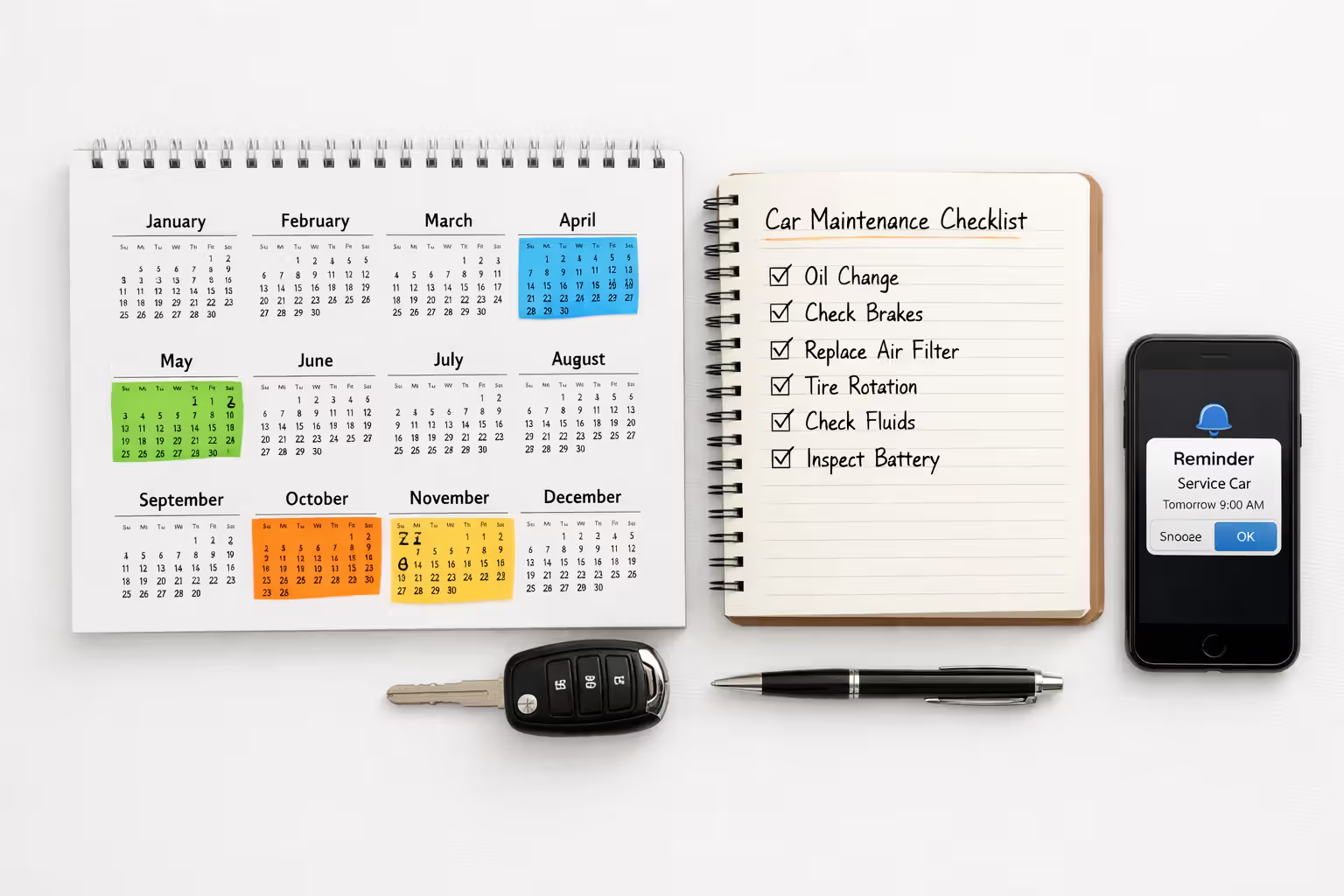
Schedule your major seasonal preparations at specific calendar points: - Late October/Early November: Winter preparation begins. Battery load testing, coolant concentration verification, winter tire installation if applicable, wiper blade replacement. - Late April/Early May: Summer preparation begins. Cooling system comprehensive inspection, air conditioning evaluation, tire pressure adjustment, exterior protection application. - March: Spring damage assessment. Examine for winter-related deterioration, develop repair plans. - September: Fall preparation begins. Address summer-stressed components, initiate winter readiness.
Digital calendar reminder systems work effectively for many vehicle owners. Configure recurring annual notifications for each seasonal checkpoint. Include specific task lists in each reminder so you understand exactly what requires attention.
Physical maintenance logs offer distinct advantages for historical tracking. A simple notebook stored in your glove compartment where you document every service, repair, and inspection creates comprehensive vehicle history. This documentation helps identify emerging patterns and provides proof of maintenance when selling.
Coordinate seasonal maintenance planning with established service intervals. When your oil change comes due in October, add battery testing and coolant checks to that same service appointment. Bundling saves time and frequently reduces overall costs.
Author: Brianna Lowell;
Source: shafer-motorsports.com
Document mileage and dates for all fluid service events. Coolant requires replacement every three to five years depending on formulation. Transmission fluid every thirty to sixty thousand miles. Brake fluid every three years. These don't synchronize with oil changes, making them easy to forget without dedicated tracking.
Many service facilities offer seasonal inspection packages. These typically cost fifty to one hundred dollars and include evaluation of all major systems. Even when you handle basic maintenance personally, professional seasonal inspection identifies concerns you might overlook.
Regional Climate Considerations: Tailoring Your Approach
Climate readiness vehicle standards vary dramatically throughout the United States. Universal approaches waste resources on unnecessary services while missing critical regional requirements.
| Region | Battery Care Priority | Cooling System Attention | Corrosion Prevention | Tire Requirements | Fluid Service Considerations |
| Northeast | Essential (severe cold exposure) | Moderate importance | Essential (road salt exposure) | Dedicated winter tires necessary | Cold-weather viscosity required winter months |
| Southeast | Moderate concern | High importance (heat plus humidity) | High importance (coastal salt air) | All-season tires sufficient | Standard service intervals |
| Southwest | High importance (extreme heat) | Essential | Minimal concern | All-season adequate, frequent pressure monitoring | Increased frequency (heat accelerates degradation) |
| Midwest | Essential (severe cold exposure) | Moderate-High importance | Essential (road salt exposure) | Winter tires strongly recommended | Cold-weather viscosity required winter months |
| Pacific Northwest | Moderate concern | Moderate importance | Moderate-High (coastal exposure) | All-season or winter depending on elevation | Standard service intervals |
Northeast owners confront the most punishing combination: severe freezing temperatures, aggressive road chemicals, and dramatic temperature swings. Battery performance and corrosion prevention aren't negotiable concerns. Winter-specific tires aren't optional equipment for drivers who actually use their vehicles during winter conditions. Undercoating application and frequent winter washing protect your financial investment.
Southeast humidity creates distinctive challenges. Moisture promotes rust formation in concealed areas—inside door structures, beneath carpet, within trunk compartments. Cooling systems operate under stress year-round. Coastal locations add salt air corrosion even without road de-icing chemicals. Regular washing and interior moisture management matter more than in arid climates.
Southwest heat proves relentless. Cooling systems, batteries, and tires all demonstrate reduced service life. Batteries rarely survive four years in Phoenix environments—three years represents typical lifespan. Hoses and belts deteriorate faster. Interior ultraviolet protection is critical. Focus maintenance attention on heat-related wear patterns.
Midwest extremes demand preparation for both temperature endpoints. Summer heat rivals Southwest intensity in many areas. Winter cold matches Northeast severity. This dual challenge means neither seasonal preparation can be skipped. Vehicles age faster in climates experiencing extreme seasonal variation.
Pacific Northwest presents moderate temperatures but elevated moisture levels. Corrosion prevention matters, particularly in coastal areas. Cooling demands are lower than hot climate regions, but don't skip air conditioning maintenance—moisture control within the cabin prevents mold growth and window fogging issues.
Mountain regions combine altitude effects with temperature extremes. Reduced atmospheric density means decreased cooling efficiency—radiators work harder. Steep terrain stresses braking systems and transmissions. Temperature variations between valley floors and mountain summits can span forty degrees. Vehicles in mountainous areas require more frequent brake evaluation and cooling system attention.
Common Seasonal Prep Mistakes That Cost Owners Hundreds
Mechanics repeatedly encounter the same seasonal car ownership prep errors. Each carries predictable, expensive consequences.
Postponing battery testing until the first hard freeze arrives. By that point, every service facility is overwhelmed with failed batteries. You'll wait days for available appointments or pay premium rates for mobile service. Conduct battery testing in October when shops maintain normal scheduling. A battery testing weak but still functional provides time to replace it according to your schedule, not winter's demands.
Running standard wiper blades through winter conditions. Conventional blades ice over and smear. Winter-specific blades cost five to ten dollars more per blade and actually function in snow and ice. Avoiding this modest upgrade means compromised visibility precisely when you need it most.
Neglecting coolant concentration verification. Some vehicle owners assume antifreeze is antifreeze and simply add whatever's available. Wrong approach. Mixing incompatible formulations causes gel formation that obstructs the system. Using undiluted antifreeze instead of proper fifty-fifty mixing actually reduces freeze protection. Either error can result in frozen engine block—three to five thousand dollars for replacement.
Installing winter tires after the first snowfall. Winter tires need mounting before initial snow events. Service facilities get overwhelmed when weather changes. Wait until after the first winter storm and you'll wait two weeks for appointments while operating on inadequate all-season tires. Schedule tire swaps during October.
Ignoring the spare tire completely. It remains out of sight and forgotten until you need it desperately. Discovering a deflated spare during a roadside emergency means calling for towing service. Verify spare pressure and condition during seasonal evaluations.
Attempting DIY coolant system flushing without proper knowledge. Flushing a cooling system requires operating the engine at full temperature, which involves managing coolant exceeding two hundred degrees under pressure. Improper technique causes serious burns and incomplete flushing leaves air pockets causing overheating. This represents one service worth professional execution.
Avoiding air conditioning service because it "seems fine." Air conditioning systems lose roughly ten percent of refrigerant annually through normal permeation. By the time you notice reduced performance, the system is significantly depleted. Operating a compressor with insufficient refrigerant causes expensive damage. Annual evaluations catch this before damage occurs.
Assuming newer vehicles don't require seasonal attention. Modern automobiles are sophisticated and sensitive to temperature extremes. A three-year-old vehicle requires the same seasonal attention as older models. Warranty coverage doesn't eliminate the need for preventive maintenance.

Author: Brianna Lowell;
Source: shafer-motorsports.com
FAQ: Seasonal Car Maintenance Questions Answered
Preparing Your Vehicle for Every Season Ahead
Seasonal maintenance isn't about rigidly following identical checklists—it's about understanding how climate stresses your specific vehicle and addressing vulnerabilities before they trigger failures. A Minneapolis driver preparing for negative twenty degree cold has different priorities than a Phoenix driver confronting one hundred fifteen degree heat, but both require systematic seasonal preparation.
The successful pattern remains consistent: prepare six to eight weeks before seasonal extremes arrive, focus on region-specific vulnerabilities, and maintain a tracking system preventing forgotten maintenance. Whether you handle basic tasks yourself or depend on professional service, the critical element is consistency. Seasonal preparation conducted twice yearly prevents the vast majority of weather-related breakdowns.
Your vehicle likely represents your second-largest financial investment after your residence. Protecting it from seasonal damage isn't optional maintenance—it's sound financial management. The few hundred dollars invested in preventive seasonal care saves thousands in avoided repairs and extends vehicle service life by years. Begin planning your next seasonal preparation now, before weather conditions force emergency action.
Related Stories

Read more
Read more


The content on Auto Insights is provided for general informational and educational purposes only. It is intended to offer guidance on car buying, vehicle ownership, finance, insurance, EVs, maintenance, accessories, reviews, and related topics, and should not be considered professional financial, legal, insurance, mechanical, or investment advice.
All information, tools, calculators, comparisons, and recommendations presented on this website are for general guidance only. Individual financial situations, driving habits, vehicle conditions, insurance policies, and market factors vary, and actual results or costs may differ from estimates provided.
Auto Insights makes no guarantees regarding accuracy, completeness, or current applicability of the information, as automotive markets, regulations, incentives, interest rates, and vehicle specifications may change over time.